
Valve Leak—Everything Revealed About Half-Life 3, CS:GO 2, Left 4 Dead 3 & More
A massive leak has exposed early Valve assets, cut content, unused weapons, and development details from CS:GO 2 and Left 4 Dead.
News by Rahe Numa on Sep 05, 2026
If you’ve noticed people discussing a huge Valve leak in data-mining circles, it’s hard to miss. Over 12 terabytes of early and playable Valve assets have reportedly surfaced, including files from CS:GO 2, Portal 2, F-Stop, Left 4 Dead 3, and even Half-Life 2: Episode 3.
That’s a huge amount of material. Some say it could take data miners two to five years to sort through it all and figure out what Valve was working on. This Wasn't a hack. Even though the leak is massive, it reportedly didn’t come from a complex hack.
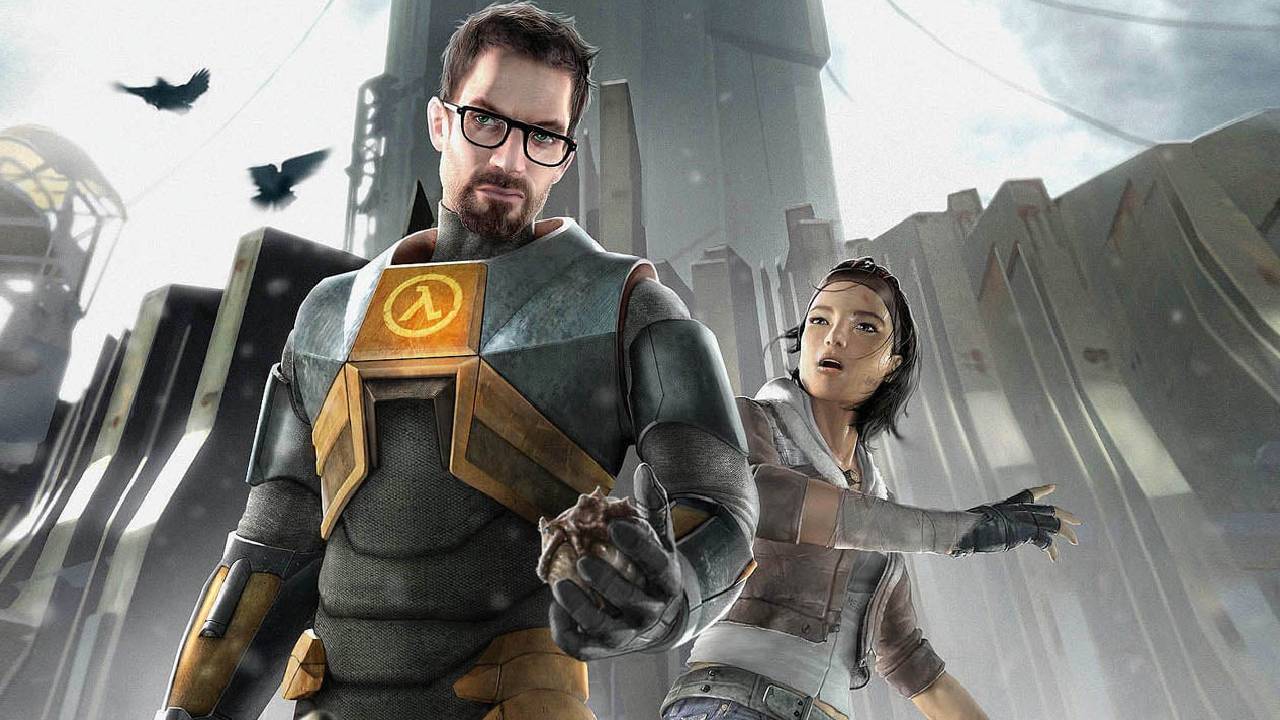
Valve reportedly left an old endpoint open to the public, exposing a large collection of assets created before 2013. This happened as Valve prepared to switch to a new storage system.
Put simply, an old part of Valve’s system remained open for years, eventually allowing people to access a vast archive of development files. CS:GO 2 Agent System Was Very Different. One of the most interesting finds concerns the CS:GO 2 Agent System.
The leaked files show that agent skins weren’t originally intended to be sold as individual cosmetics. Instead, they were tied to certain map-based factions. The files reportedly include several unused or early factions, like the Arctic Avengers, Professionals, Freelancers, Separatists, and Phoenix Connection.
The Freelancers even had an early concept for a female agent. These concepts reportedly evolved into rewards associated with Operation Passes, starting with Operation Shattered Web. So, what began as part of the game’s world-building may have turned into something players could buy.
Weapons that never made it. The weapon files give another glimpse at how different CS:GO might have been. Early versions reportedly included a bulkier USP .45, an older-style Galil, an SG552 with iron sights, and an M3 shotgun that later became the Nova. Tested MP7 models that never became part of the final game.
Valve also tested attachments in different ways.
Some weapons, such as the UMP, had holographic sights in their early versions. Scoped weapons worked differently too, with the screen just zooming in instead of showing a proper aiming reticle. is another interesting example. It was reportedly tested as a standard battle rifle before Valve eventually turned it into the SCAR-20 auto-sniper players know.
Hostage rescue was supposed to matter more. The leak also sheds light on hostage rescue. The files include unique hostage animations inspired by Condition Zero, suggesting Valve once had bigger plans for hostage-rescue modes.
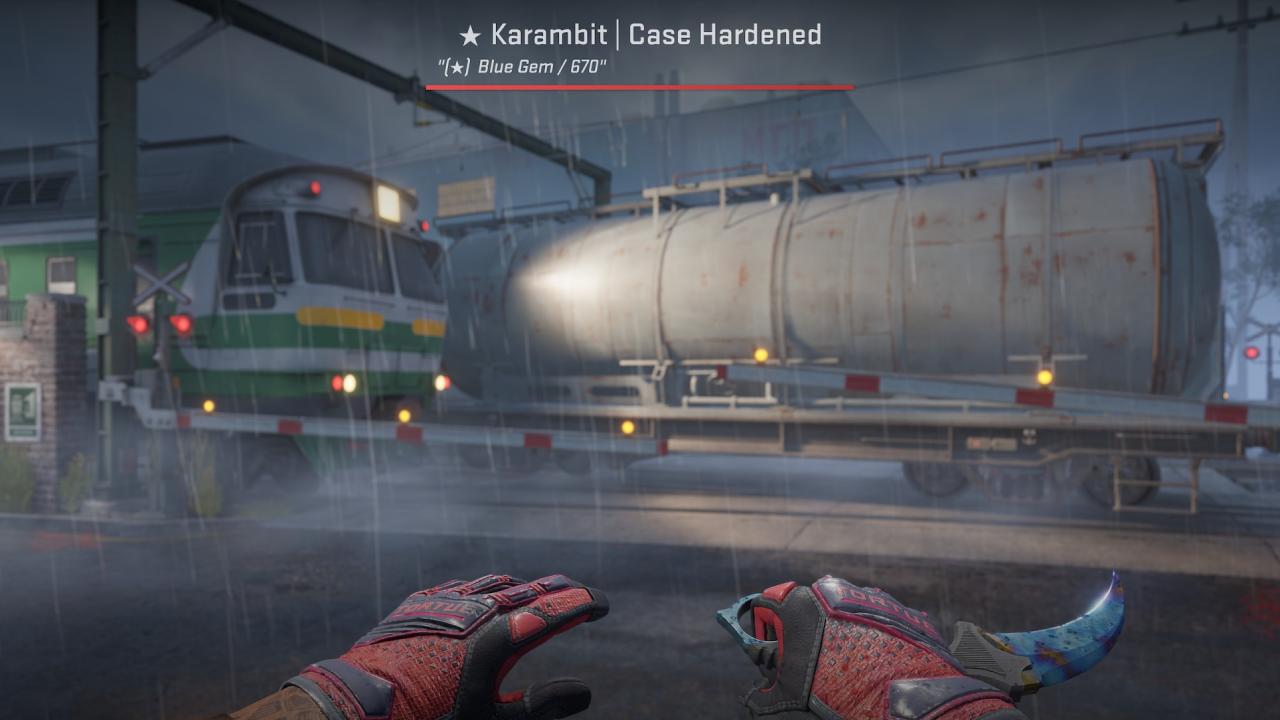
Since bomb defusal became the main focus in competitive CS:GO 2, it’s interesting to see that hostage rescue might have once been a bigger part of development. Left 4 Dead helped build early CS:GO 2. Perhaps one of the clearest examples of Valve’s development process comes from Left 4 Dead.
Early CS:GO 2 testing maps and assets were reportedly taken directly from Left 4 Dead. One example mentioned in the leaked material is a map called Alleyway. This doesn’t mean CS:GO 2 was made solely from Left 4 Dead assets, but it shows how Valve used what they already had to get early versions of the game working, rather than starting from scratch.
The sheer size of this leak: Because this leak is so big, we’ll probably keep hearing about discoveries for a long time.
Twelve terabytes is just too much to understand all at once. The files provide an unusual look at ideas that never reached players. From unused factions and redesigned weapons to a larger focus on hostage rescue and heavy use of Left 4 Dead assets, the leak shows just how different Valve's competitive shooter could have looked during development.
With so much left to explore, this likely won’t be the last big discovery from the archive.
Editor, NoobFeed
Related News
No Data.