
Barbarian Saga: The Beastmaster Review
Xbox Series X|S
Barbarian Saga: The Beastmaster delivers tight combat, rewarding exploration, and gear-based progression, but sparse checkpoints and unforgiving encounters may test your patience.
Reviewed by Rahe Numa on Sep 12, 2026
Indie Metroidvanias have a few key things to nail: combat should feel responsive, exploration should be rewarding, and progression should make you stronger without removing the challenge. Barbarian Saga: The Beastmaster handles all three in its own way.
After trying the game in a few different sessions—a three-hour look back, a demo breakdown, and a live demo—it's clear that Barbarian Saga is a skill-based sword-and-sorcery Metroidvania. It's inspired by Castlevania: Symphony of the Night, but it doesn't let you grind enemies for experience to make tough fights easier.
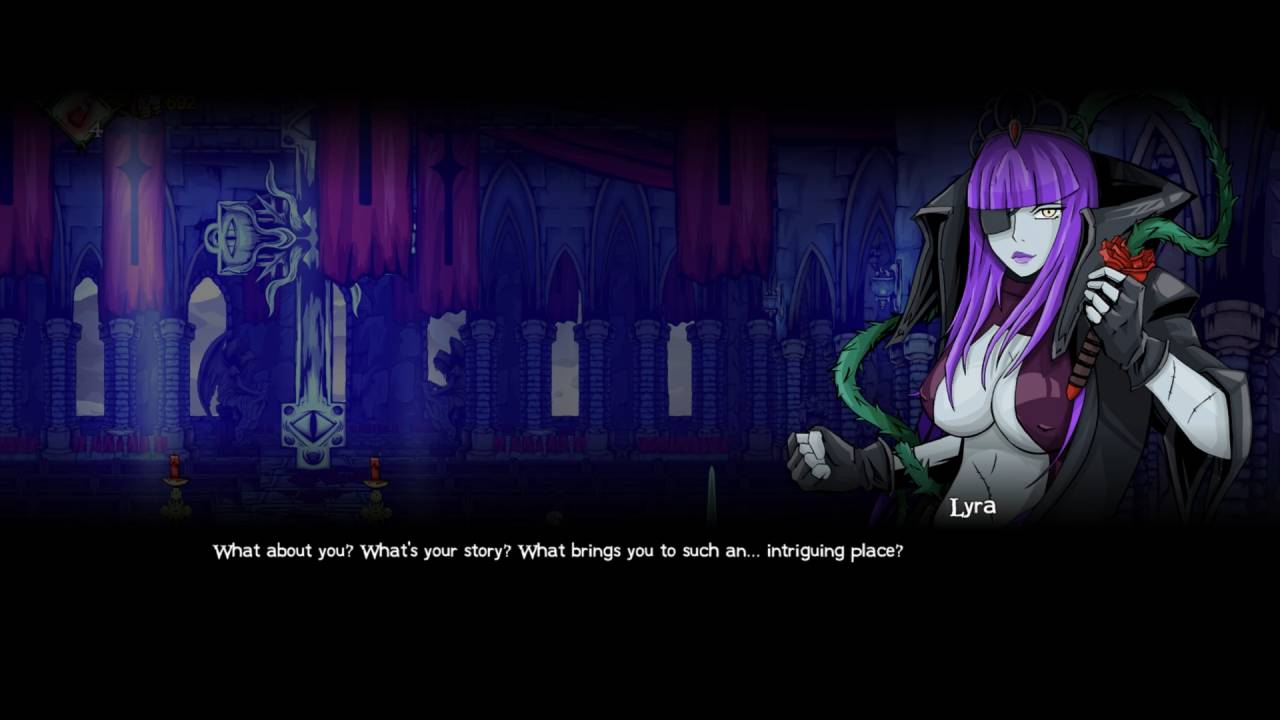
Instead, Barbarian Saga puts the challenge in your hands.
There's no passive XP system that slowly makes your character stronger just by grinding. You can collect gold, buy helpful items, find better gear, and unlock new abilities, but you can't just farm enemies until you're strong enough to breeze through tough fights.
This choice gives the game a unique feel. If you like learning enemy patterns, working on your timing, and beating tough fights through practice, you might enjoy it. But if you prefer grinding to get past hard parts, the game might seem less forgiving.
The key thing to know about Barbarian Saga is that your skill matters more than leveling up. There's no usual XP system where beating enemies over and over boosts your stats. Instead, you get stronger by finding equipment, exploring, learning new abilities, and mastering weapon techniques.
Gold is still important. You earn it by fighting and exploring, then spend it at shops on health potions and other helpful items. But you can only carry five of each item, so you can't hoard a huge stash of healing potions before a tough fight.
This limit matters even more because healing isn't instant.
When you use a potion, your character has to drink it, which takes time and leaves you open to attacks. If you pick the wrong moment, an enemy can hit you before you finish healing. This means you have to plan when to heal, instead of just reacting every time your health drops.
This system fits the game's overall style. Barbarian Saga wants you to learn its combat, not skip past it. If a boss is tough, you can't just farm XP for an hour and come back much stronger. Instead, you'll need to learn the fight, improve your timing, or find gear and abilities that match your playstyle.
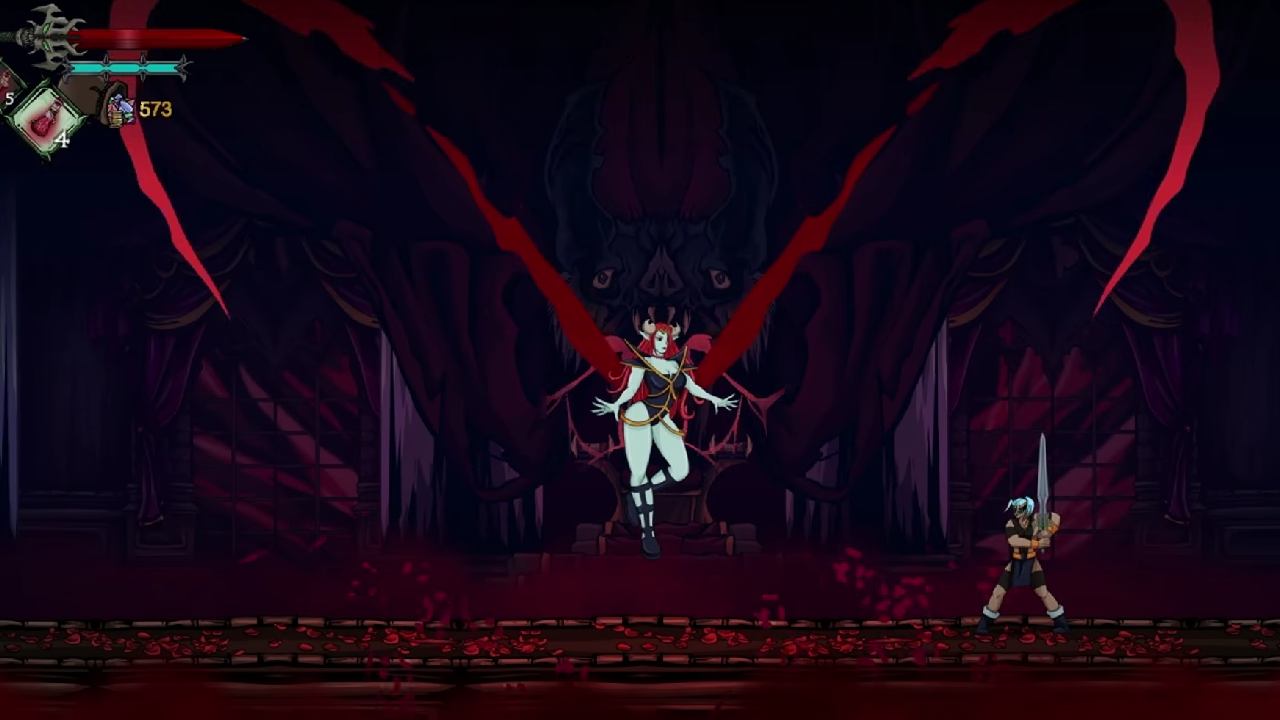
This design won't be for everyone, but it gives the game a clear focus. Luckily, the controls seem to be one of Barbarian Saga's best features. Overall, the controls were tight and responsive. There's barely any input delay, especially with a controller. The game also avoids the heavy, slow feel of some 2D Soulslike games.
Movement feels direct, which matters because the combat expects you to react to enemy attacks instead of just taking hits. Blocking is a mechanic that really needs your attention. You can't just hold a button to defend forever—blocking is all about timing.
You have to spot an incoming attack and block at the right moment.
If you get it right, it adds skill to the combat, but if you mess up, you can get punished fast. The dash works similarly. Once you start the dash, you're committed—you can't cancel it halfway if you realize you made a mistake.
This can make the system feel demanding, especially when enemies require precision. But it also pushes you to think before you act, instead of just mashing buttons. One small issue with aerial combat. Some people said that mid-air hitboxes can feel awkward at times.
It doesn't ruin the combat, but it can make some aerial attacks less consistent than the rest of the controls. Overall, the basics are solid. The game wants you to pay attention, learn patterns, and make careful choices. Barbarian Saga might look like a Soulslike, but its approach to death is actually more forgiving than you'd think.
When you die, you go back to a checkpoint but keep your gold. So you don't have to worry about losing money every time you fail. This removes one of the more annoying parts of Souls-inspired games. The downside is that getting back to the fight can sometimes be frustrating.
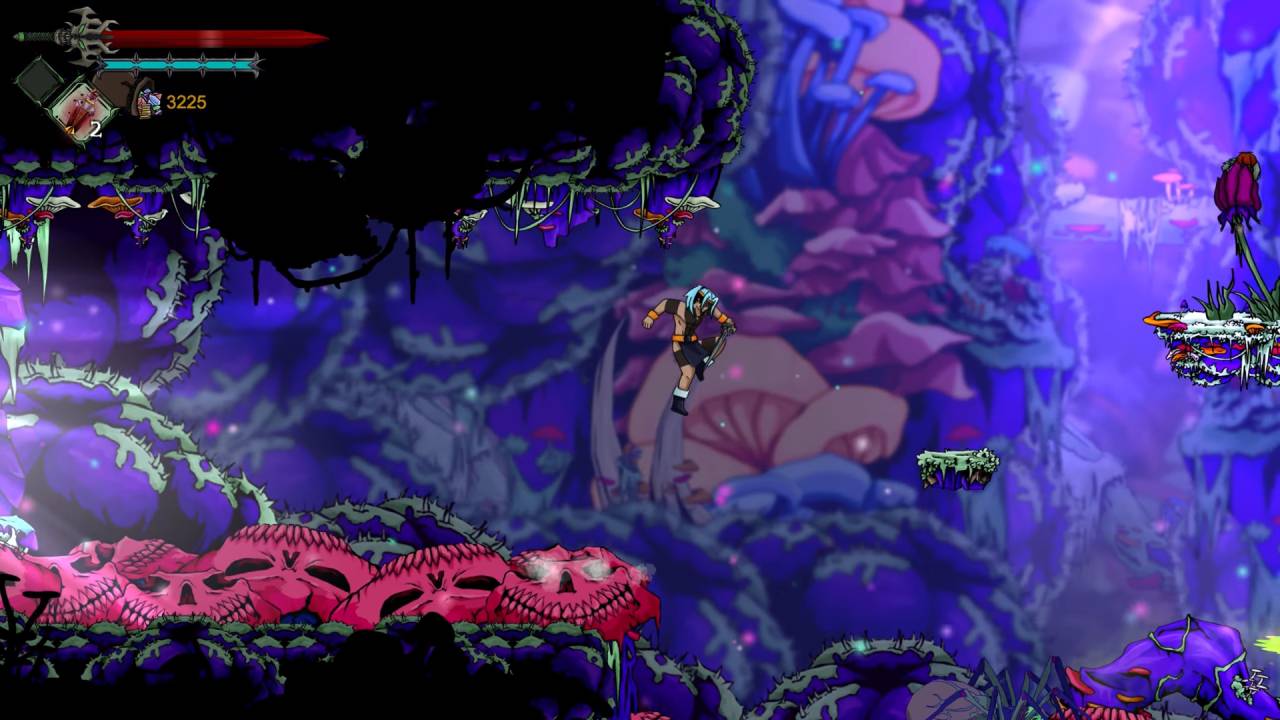
However, impressions from the live demo suggest that these checkpoints can feel too far apart in some areas.
If you keep dying, making a long trip back to a boss or tough section can get more frustrating than the fight itself. In one demo, a player even skipped ahead in the footage instead of replaying the same part repeatedly. Enemy placement got some criticism too.
Sometimes, enemies show up in spots that feel more like an ambush than a fair challenge. Instead of losing because you missed an attack pattern, you might just get hit because an enemy was in a surprising spot. These issues matter because the combat is one of the game's best parts.
When checkpoint placement and enemy positions get in the way, it can feel more frustrating than it needs to be. Without an XP system, Barbarian Saga makes exploration rewarding through equipment and new abilities. Rings are a main way to boost your stats.
Each ring gives a different benefit. For example, the Ring of Chamomile Root raises your max health, while the Ruby Ranger Ring increases your critical hit chance. These items make exploration feel useful. Finding something hidden isn't just about adding to your inventory—it can actually change how you fight.
Traversal abilities give you more ways to get around.
The demo showed a downward spike-bounce move, and weapon techniques include things like a charged katana spin attack. This is where the Metroidvania style really matters. Instead of just raising your stats, the game gives you new tools that change both how you explore and how you fight.
You may discover an ability that allows you to reach a previously inaccessible area. At the same time, you might find an ability that lets you reach a place you couldn't get to before, or a new weapon move that helps against certain enemies.
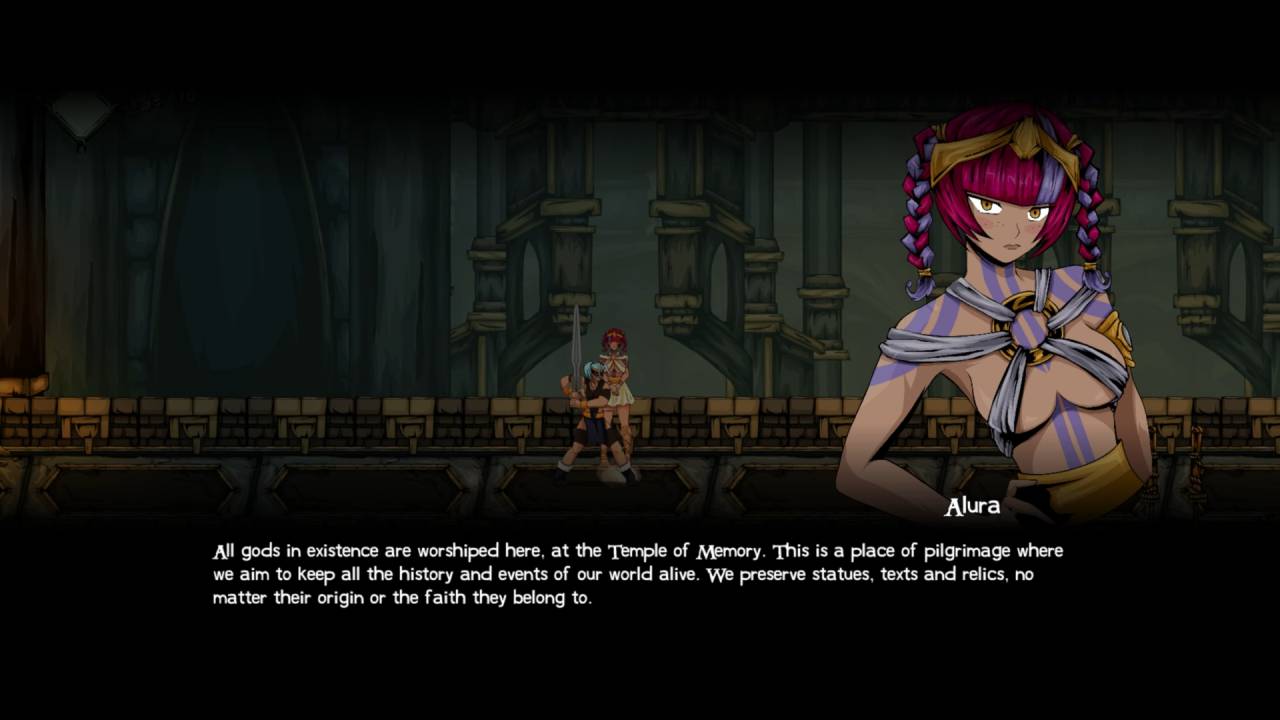
Progression feels tied to actually playing, not just building up XP in the background. It's also tied to shops, especially for consumables like health potions. So the progression system rewards exploration while keeping the focus on your own skill.
Barbarian Saga stands out visually by mixing dark fantasy with a stylized, semi-cartoon look. Enemy designs can be creepy and unsettling, which gives the world a dark vibe, but the art doesn't get too grim or oppressive. This contrast helps the setting feel dangerous without making every area visually tiring.
However, the visuals aren't equally strong throughout the game.
The opening cinematic makes a great first impression, but the early underground areas don't always look as detailed. The first dungeons can feel dark and less varied than later parts of the game. Once you reach the overworld and outdoor areas, the visuals get more interesting.
Layered backgrounds and different environments add depth and make the world feel less repetitive. So if the early parts seem a bit plain, the visuals noticeably improve as you get further into the game.art style itself remains one of the game's more recognizable qualities.
It doesn't try to imitate realistic fantasy visuals; instead, it chooses a more stylized look that fits its indie identity. Storytelling isn't Barbarian Saga's main draw. The story is light and relies more on environmental storytelling than long dialogues or cutscenes.
Instead of pausing the action to explain everything, the game lets you learn about the world as you explore. This approach fits the Metroidvania style well. As you move through new places, find abilities, and revisit old areas, the environmental storytelling becomes part of your exploration.
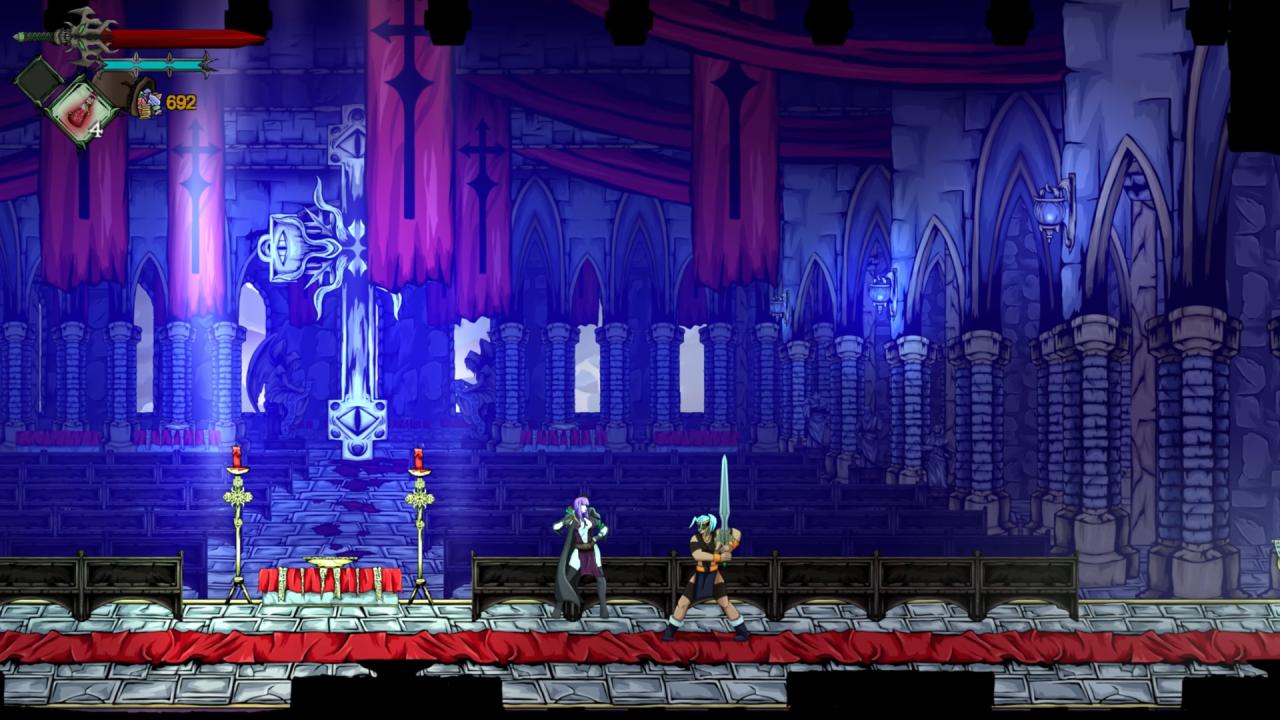
But if you want a more character-focused story, you might find the narrative a bit limited.
The game's strengths are its gameplay, exploration, atmosphere, and retro-inspired look, rather than its story. These are the elements that received positive attention across the impressions. It matches the game's retro style and sets the mood without taking over the gameplay.
The dark fantasy setting feels even more immersive with the music, and the overall presentation keeps that old-school vibe. Compared to the light story, the soundtrack plays a bigger part in shaping the game's feel. The mix of retro visuals and music gives Barbarian Saga a strong identity.
It feels like a modern indie game that draws heavily on classic action-platformers, rather than copying today's big-budget games. There's also a content note for players who care about a game's themes and character designs. One review, written from a Christian perspective, highlighted the game's use of dark sorcery themes and some scantily dressed characters.
That review also mentioned possible concerns about nudity. Play it if those subjects influence your purchasing decisions. The game's dark-fantasy vibe is a big part of its identity, so keep it in mind alongside the combat and exploration.
Barbarian Saga: The Beastmaster knows exactly what kind of Metroidvania it wants to be.
It does not want you It doesn't want you to grind enemies for hours until you're strong enough to ignore tough fights. Instead, it wants you to get better at the game. Combat rewards good timing; blocking needs precision, and dashing takes commitment.
Healing is limited by your inventory and the time it takes, so you can't just use potions whenever you're in trouble, which can make every victory feel more satisfying. The controls are responsive, movement feels great, and the mix of exploration, gear, and abilities gives you real reasons to explore.
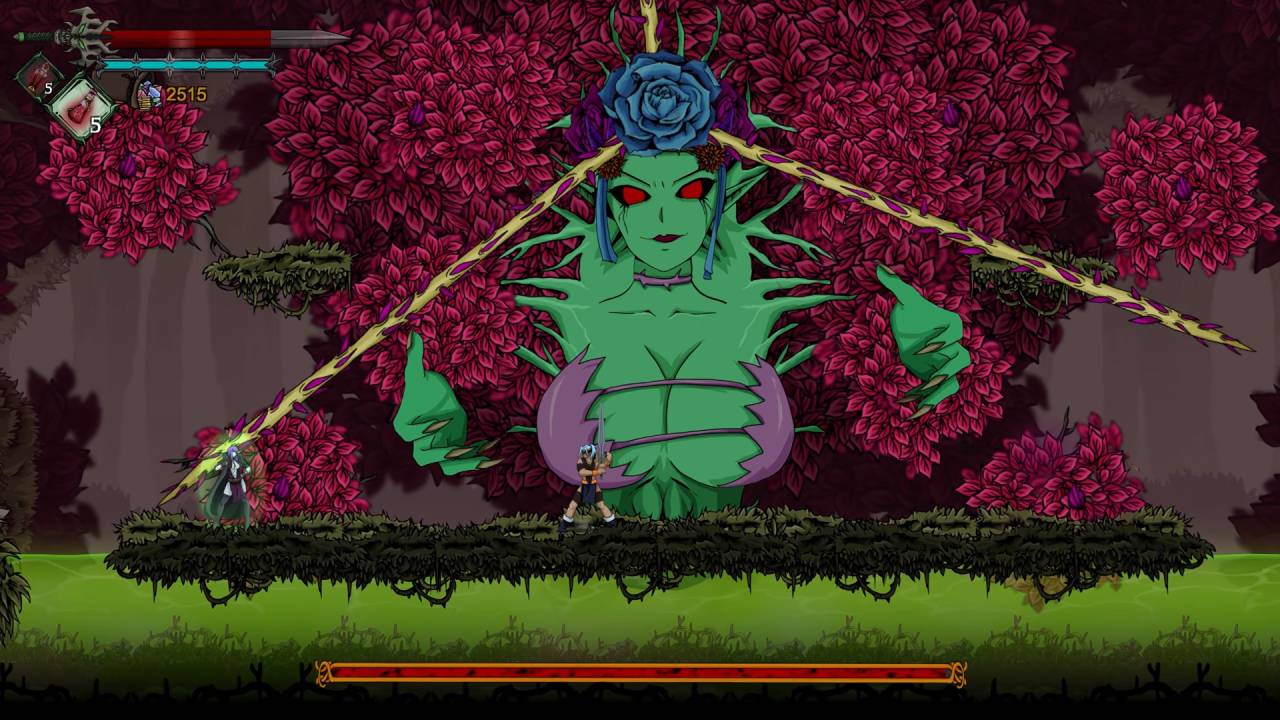
Rings boost your stats, traversal abilities open new paths, and weapon techniques add variety to combat. The main problems come from the systems around the combat, not the combat itself. Sparse checkpoints can make dying over and over frustrating, especially if you have to replay a long section to get back to a boss.
Sometimes, enemy placement feels unfair too, especially when you're caught off guard instead of being able to react. Early dungeons don't look as good as the opening cinematic, but the overworld gets more interesting as you go. The result is a game that may not suit everyone.
If you enjoy Metroidvanias that let you grind and overpower difficult enemies, Barbarian Saga's lack of passive leveling may frustrate you.
But if you prefer games where your own reflexes and understanding of the mechanics matter more than character levels, there is a lot here to appreciate. All the impressions lead to the same point: Barbarian Saga: The Beastmaster shines most when it lets you take control of combat and exploration.
It has some rough spots, especially with checkpoints, enemy placement, and the occasional hitbox problem, but the core is solid. The game knows what it wants to be and sticks to it.
Editor, NoobFeed
Verdict
Barbarian Saga: The Beastmaster is a challenging, stylish Metroidvania that rewards exploration and skill-based progression, though sparse checkpoints and occasionally frustrating enemy placement keep it from being truly exceptional.
83
Related News
No Data.