
Why Cooperative Roguelikes Are Taking the Gaming World by Storm?
Technology by Nestee Shy on Aug 25, 2025
Roguelikes have carved out a strong place in modern gaming, known for their endless replayability, procedural generation, and permadeath. Nevertheless, in recent years, the style has been pushed to new heights since the introduction of cooperative mode. Letting players face challenges together enhances the experience.
Fresh design opportunities and unique obstacles always attract an audience. Playing with friends adds a social layer of unpredictable, strategic depth, making each run more dynamic. In this article, we will find out why coop roguelikes are growing, the mechanics behind them, and see the best games that nailed it.
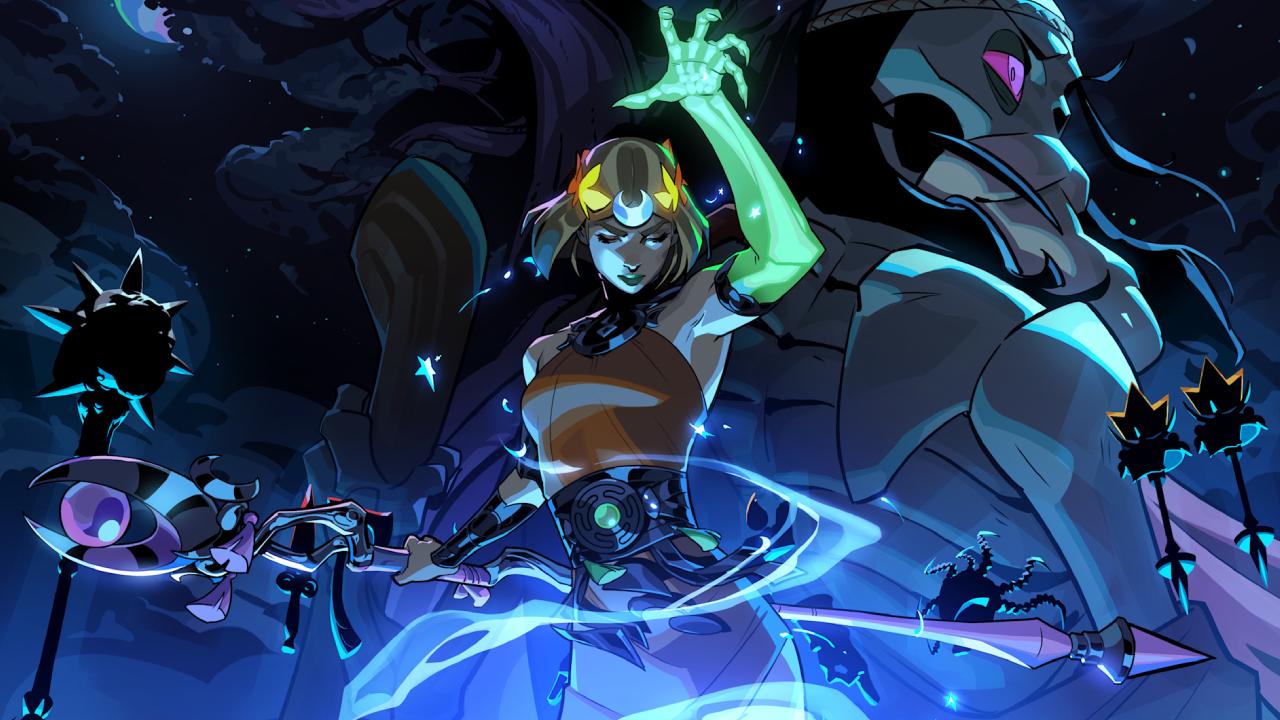
The Reasons Why Coop Roguelikes Become Popular
The popularity of cooperative roguelikes is not a coincidence. Many factors contribute to their growing recognition:
- New challenges. Cooperative game mode rebuilds the difficulty curve. Enemies, puzzles, and bosses scale to handle many players and create more fascinating encounters.
- Additional replay potential. Roguelikes already thrive on diversity, but adding more players encourages new strategies and memorable moments.
- Shared Achievements. Defeating a boss together or surviving a chaotic run has a stronger emotional impact than a solo win.
- Demand of the majority of players. Overall, cooperative gaming has grown significantly, leading to a preference for shared experiences with developers. Roguelikes naturally fit this movement.
These factors help explain why coop mode is rapidly gaining popularity with both players and developers. They let players explore both simple 2D and complex 3D environments. Creators, on the other hand, get more space for level design, balance, and progress mechanics.
Core Mechanics and Challenges of Cooperative Roguelikes
The core of roguelikes is simple: random levels, constant resource gathering, and, most crucial, permadeath. These mechanics demand adaptability and strategy. When you add co-op to the game, it brings new challenges.
One of the biggest changes is balancing the game. A game designed for single-player must handle multiple players while staying fair and challenging. This means stronger enemies, more frequent waves, or more complex mechanics that support teamwork.
Additionally, the resource management and sharing force players to decide carefully which weapons, healing items, or upgrades to use. This naturally leads to special roles, such as a tank absorbing damage, a support team partner, or a high-DPS player focusing on mob control.
Strategic cooperation is also important. Enemies push mechanics like aggro switching or revival systems to a new level. In a hard run, one wrong step can doom the entire group. These cooperative layers make the roguelikes even more challenging.

Examples of Successful Cooperative Roguelikes
There are many titles that show how cooperative mode enhances the roguelike genre:
- Ocean Keeper: A grim underwater roguelike that now introduces coop. Its beta will be available from August 20, allowing players to explore more underwater challenges. The co-op adds deep strategy, as players must manage limited resources.
- The Binding of Isaac: A roguelike that was lately expanded by a multiplayer mode where players can explore room after room together. It brought not only new challenges, but also fun PVP mini-games for teams.
- Nuclear Throne: A game known for its fast-moving action provides a coop mode, immersing players as a pair in their chaotic firefighting.
- Spelunky: A classic roguelite platformer that thrives in the coop. Players can trace caves simultaneously, although its design often turns the teamwork into chaotic accidents.
These examples prove that cooperative roguelikes are not only experimental - they are shaping a new sub-genre. And with the advancing projects we see nowadays, this is only the beginning.
Conclusion: The Future of Cooperative Roguelikes in Gaming
The rise of cooperative roguelikes reflects a broader trend in gaming: a hunger for shared, challenging experiences. Roguelikes already set a high entry bar, but with coop, they become brand-new experiences for audiences.
As developers keep adding new mechanics, players can handle more complex resource systems, strategic roles, and challenges built around them. For fans of both difficult and entertaining games, coop roguelikes will remain one of the best solutions for exploring new challenges.
Moderator, NoobFeed
Latest Articles
No Data.