
NVIDIA RTX 5090 Discontinued Rumor: Best GPU Alternatives
NVIDIA RTX 5090 Production Halt Rumors Raise Concerns Over GPU Availability, Rising Prices, and Local AI Performance.
Hardware by Nahe Yan on Oct 16, 2026
The NVIDIA GeForce RTX 5090 has become hard to find at its original launch price, with US listings reaching more than $5,000. A recent factory notice circulating online claims that Nvidia may stop manufacturing RTX 5090 models and reserve the GPU chip for professional graphics cards instead.
Although Nvidia has not confirmed the report, it raises concerns for users planning to build local AI systems, especially those who need high memory capacity and bandwidth. RTX 5090's discontinuation remains unconfirmed, so treat the available information as a rumor. Nvidia has not confirmed the report, and the company did not comment when Tom's Hardware asked.
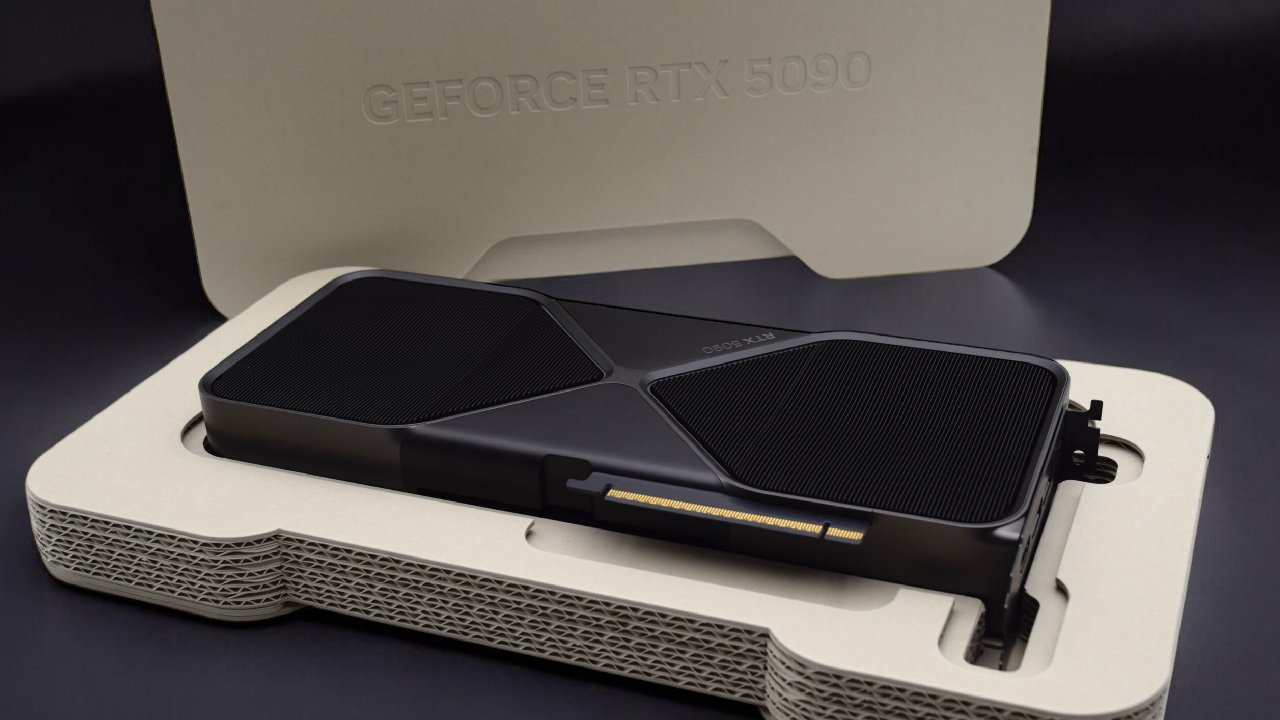
Is the Nvidia RTX 5090 Actually Discontinued?
A leaker on X known as hongxing2020 posted a notice from an unnamed factory. The notice claims that Nvidia will no longer manufacture any RTX 5090 models, including the D variants for China. It also states that the new top GeForce card will be an RTX 5080 with 24GB of memory, while the existing 16GB RTX 5080 will be discontinued.
A second leaker, Zed Wang, added that all future GB202 supplies would be exclusive to RTX Pro cards. GB202 is the chip inside the RTX 5090. However, the evidence currently consists of a factory notice from an unidentified source and another leaker supporting the claim. Nvidia and board partners such as Asus, MSI, and Gigabyte have not confirmed it.
Another interpretation of the report is possible. As Notebookcheck pointed out, the notice might mean that Nvidia will stop allocating new chips to GeForce cards rather than withdrawing existing RTX 5090 models from the market. Cards already manufactured could still be sold. However, a graphics card that remains available without being restocked can behave much like a discontinued product.
Why the RTX 5090 Matters More for Local AI Than Gaming
Gamers losing access to a high-end graphics card is one concern, but the situation could affect users running AI models locally even more. The RTX 5090 has been an option for users who need enough memory capacity and bandwidth to run models that exceed the limits of other consumer GPUs. When an AI model generates an answer, it produces one token at a time.
For every token, the graphics card must read the model's weights from memory. Two specifications therefore play a major role in determining performance: memory capacity and memory bandwidth. Memory capacity determines how large a model fits on the graphics card, while memory bandwidth determines how quickly the GPU can access data.
Together, these specifications affect how many tokens per second a model can generate. RTX 5090 has 32GB of memory and 1,792GB/s of bandwidth, which helps explain why it has been a preferred option for local AI workloads. By comparison, the regular RTX 5080 has 16GB of memory and 960GB/s of bandwidth.
The rumored 24GB RTX 5080 would provide more capacity than the existing model, with reportedly around 1,024GB/s of bandwidth. However, that would still leave it with 8GB less memory than the RTX 5090 and only a little over half its memory bandwidth. AMD's Radeon AI Pro R9700 also comes with 32GB of memory, but its bandwidth is 640GB/s.
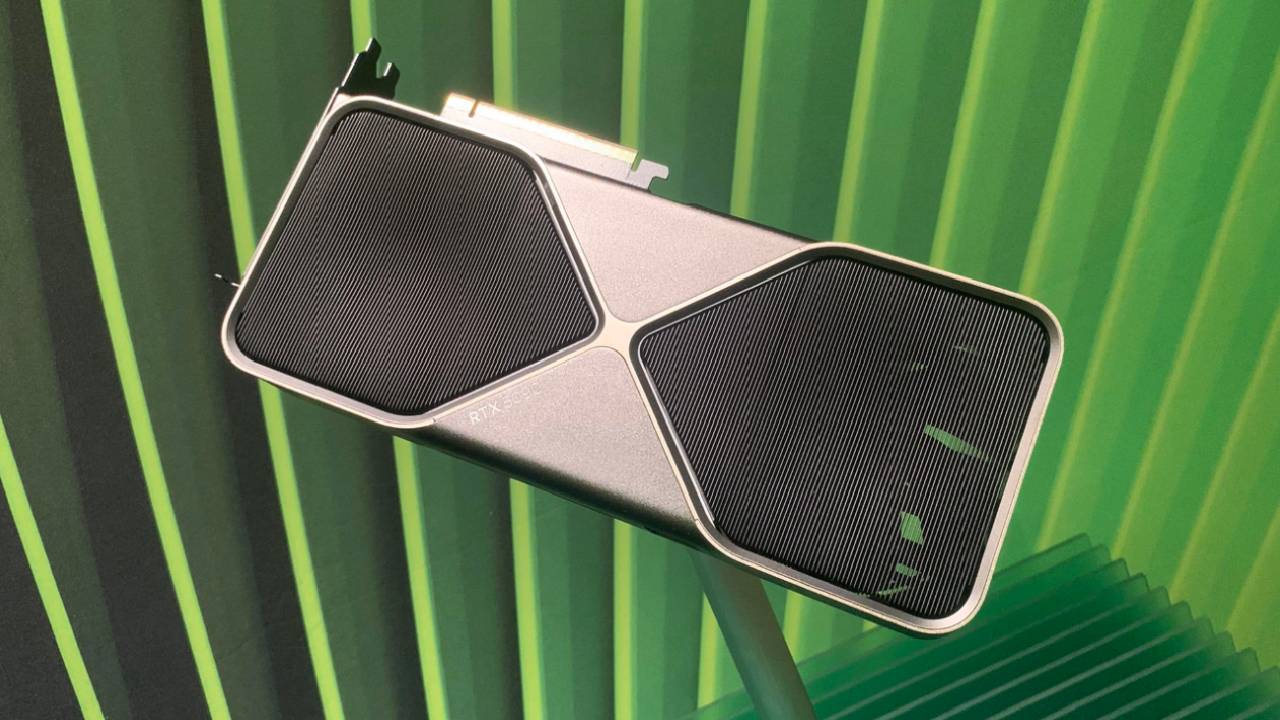
A used RTX 3090 with 24GB of memory remains an option for local AI users.
The potential production shift is easier to understand when you compare the RTX 5090 with Nvidia's professional graphics cards. Both categories use the GB202 chip, but professional models offer more memory and can sell for significantly more. According to a die-shot analysis by Guru3D, the full GB202 chip contains 24,576 CUDA cores.
RTX 5090 uses 21,760 of them, while the RTX Pro 6000 uses 24,064 CUDA cores and comes with 96GB of memory at the same memory speed as the RTX 5090. NVIDIA doesn't list a price for the RTX Pro 6000, but Tom's Hardware reports it can sell for around $15,000. Another model, the RTX Pro 5500, appeared on PNY's spec sheet with 84GB of memory; it has 21,760 cores, matching the RTX 5090.
RTX Pro 5000, with 72GB of memory, also lists at around $9,600. This creates a difference in the potential revenue Nvidia can generate from the same chip. The RTX 5090 launched at $1,999, while professional cards using the same silicon can sell for approximately $10,000–$15,000. If chip supply is sufficient, Nvidia can allocate silicon to both product categories.
Editor, NoobFeed
Gaming Hardware Updates
No Data.