
Hades II Sets Records—Indies Take Center Stage in 2025 Yet Again
Smaller studios are often better than AAA giants because they are more creative, charge fair prices, and produce games that are more enjoyable to play.
News by Nusrat Choity on Sep 30, 2025
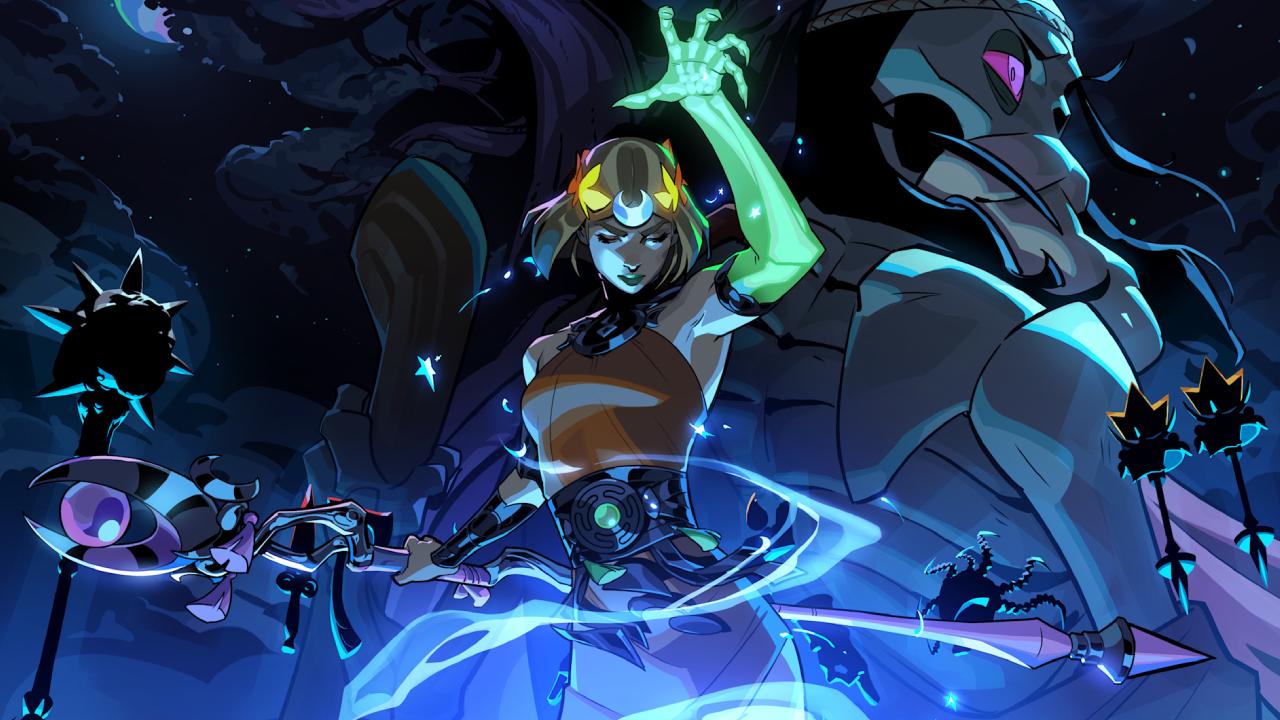
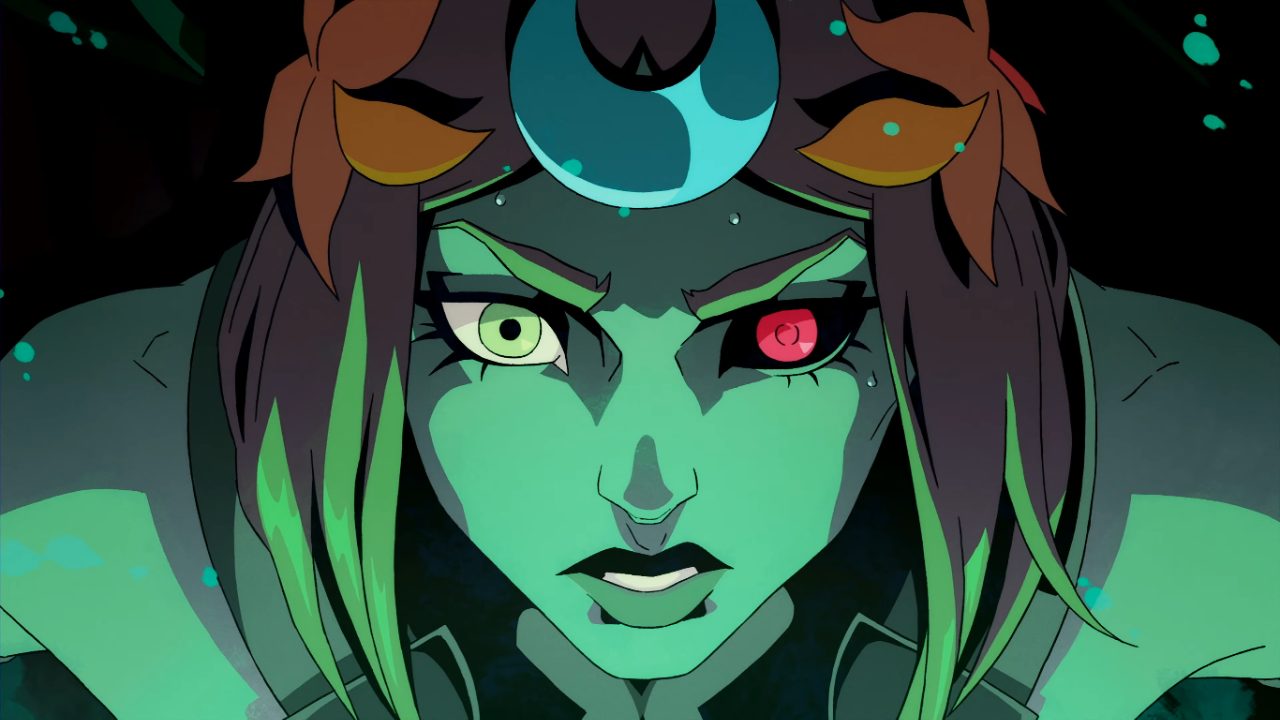
The indies officially own 2025. Hades II has gotten the highest review score of the year on Metacritic, with a score of 94. This has left major publishers scrambling. The fact that all four of the year's best new releases are indie games is even more surprising. Many people are saying that this significant shift in the gaming industry marks the end of AAA dominance. This could be a turning point in how games are made and valued.
The current Metacritic leaderboard for new releases shows that there is a lot of interest in indie games. Hades II is at 94, Clare Obscure Expedition 33 is at 93, Hollow Knight: Silksong is at 92, and Blueprints is also at 92.
Split Fiction, which EA Originals published (EA's indie-focused arm), comes in fifth with a strong 91. Donkey Kong Bonanza, the first real AAA game, is in sixth place, which makes big studios look bad and makes it hard for them to explain why their huge budgets and marketing machines aren't making better games.
The difference in money is enormous. Even if you put the budgets of all four indie blockbusters together, you still wouldn't have enough money to make a AAA game. Indie teams, which typically consist of only a few members, create games that both critics and players adore. But big-budget games are often too big, full of bugs, and made to make money instead of being fun.
Smaller studios focus on generating innovative ideas, being creative, and enhancing the overall gameplay experience.
They try new things, take calculated risks, and make adjustments when things don't work. AAA, on the other hand, gets stuck in the same old traps: endless committee meetings, boardroom approval cycles, and design choices based on spreadsheets instead of creativity.
Hades II is an excellent example of this. Supergiant Games was in early access for more than a year, taking feedback, making adjustments to the mechanics, and ensuring that every feature worked as intended.
The creative director emphasized that their small size allows them "to fail 50 times a week to get to the good stuff," which is not possible in large corporate pipelines. The result is a game that is full of life, where every death teaches you something, every run is different, and every upgrade feels like it was earned. In contrast, AAA games often leave players dissatisfied with half-finished products due to rushed deadlines and high costs.
Borderlands 4 might be the most embarrassing example. Although it was reported to have a budget of over $200 million, it ultimately received a Metacritic score of 82, which is ten points lower than the average score of the best indie games.
The PC version was even worse; it didn't perform well on high-end hardware, resulting in numerous negative reviews on Steam. Instead of fixing the problems, the game's leaders yelled at players and told them to "code their own engine" if they were unhappy.
The arrogance was very different from the humble, player-centered approach of smaller teams. It's hard to justify paying three times as much for a broken AAA release when indie developers sell you a game for £20 and give you hundreds of hours of content to play again.
Clare Obscure Expedition 33 demonstrates the significant evolution of indie games. A group of approximately 30 people built it, and it has already sold more than 4.4 million copies, earning a 93 on Metacritic. Blueprints, which one person worked on for eight years, received a 92 and was praised immediately by critics.
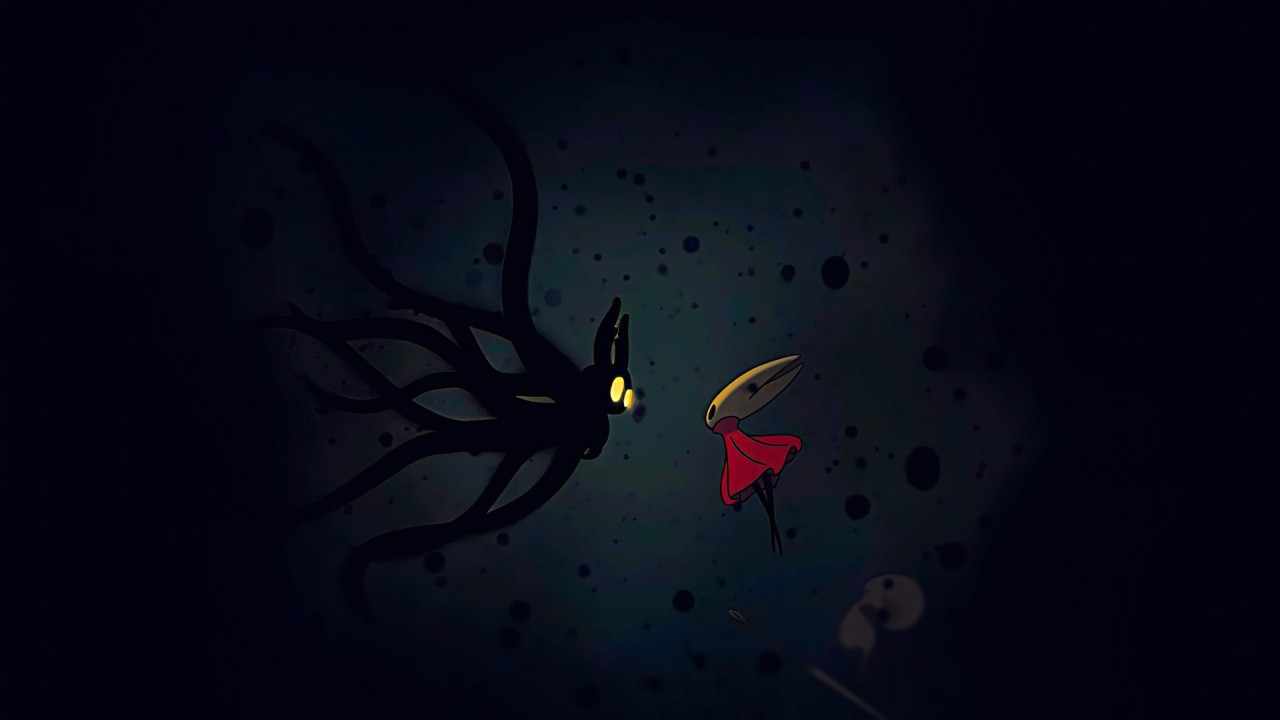
Hollow Knight: Silksong, which was produced by only three individuals at Team Cherry, sold five million copies in its first few days, making tens of millions of dollars and even crippling Steam systems because so many people wanted it.
These games illustrate that being little doesn't equal being less; it means being focused, innovative, and highly personal.
On the other hand, the AAA landscape is stuck in a cycle of disappointment. Big games come out with promises of new features that will change the game, but when they do come out, they are full of bugs, money-making schemes, and daily login requirements that are meant to get you to spend more money instead of having more fun.
Players are sick of being treated like cash machines, and in 2025, they voted with their wallets. It's clear from the evidence that indie games are selling millions of copies, receiving good reviews, and winning over gamers worldwide.
This change has led to a widespread lack of trust across the industry. Indie developers don't have the safety net of brand recognition or billion-dollar ad campaigns, so they have to earn your trust with each new game they release. They achieve this by paying attention, fulfilling their commitments, and charging fair prices.
AAA studios, on the other hand, often think that their franchise name is worth more, even when they send out broken or incomplete products. This difference is no longer okay for players. Why spend £70 on a game that feels like a gamble when you can get a great one for £25 that respects your time and money?
The point is clear: 2025 is a turning point. Smaller teams, smaller budgets, and development driven by passion are not only keeping up with the big guys; they are beating them. Every indie hit that came out this year is a reminder that new ideas can grow when they aren't held back by corporate micromanagement. The games are better, the prices are lower, and the people who play them seem real. It works out well for both developers and gamers.
So what does this mean for the future? Will AAA publishers finally change their ways, or will they keep making promises they can't keep?
We can be sure of one thing: the success of Hades II, Silksong, Blueprints, and Clare Obscure Expedition 33 has raised the bar for the whole industry.
The major studios need to create games that people want to play, or they will fall behind. You can buy flashy trailers and endorsements from famous people with money, but can you ever buy the passion, creativity, and attention to detail that make a game truly great? Or will people only remember 2025 as the year the indie scene took off?
Contributor, NoobFeed
Related News
No Data.