
Nintendo Loses a Battle Over “Pokémon With Guns” However, the War for Creativity Just Began
Japan's patent office just sided with Palworld, shaking Nintendo's legal empire, and raising a brutal question: who really owns fun in gaming?
News by Zahra Morshed on Nov 02, 2025
The ongoing legal battle between Nintendo and Pocket Pair, the company that made Palworld, has caused waves in the gaming industry. Japan's Patent Office has officially turned down one of Nintendo's most important patent applications. It had to do with how the game works, which is what the argument is all about. Even though it's not final yet, the choice is a big step forward in a battle that has quietly shaped the way people talk about intellectual property in modern video games.
Recent filings show that the Japanese Patent Office decided Nintendo's suggested patent did not have enough new ideas to be approved. The reviewer used prior art from games that had already come out, such as ARK: Survival Evolved, Monster Hunter 4, Craftopia, Kantai Collection, and even Pokémon GO.
.jpg)
The office said that all of these games already showed the basic ideas that Nintendo wanted to protect. For now, this effectively weakens one of the company's arguments against Palworld, a game that is often called Pokémon with guns because it looks and plays a lot like Nintendo's long-running series.
That being said, this decision is not yet final. The rejection is still non-final, which means Nintendo can appeal, change its claims, and resend the patent. This process can go on forever as companies improve their applications in the hopes of getting them approved. In Japan's copyright system, which experts have called an endless cycle of changes and reviews, these kinds of legal loopholes happen all the time. Given Nintendo's deep legal pockets, the company is likely to take every possible action to protect what it sees as its exclusive design area.
A bigger issue for companies around the world is at the heart of this dispute: how to protect intellectual property without stifling new ideas. When it comes to games in particular, patent law depends on how technical explanations are read. Smaller companies are afraid that patents that are too broad could make developers afraid to try new things with well-known mechanics for fear of being sued. In a field where iteration is key, that chance could hurt competition and creativity in the long run.
Some people in the game community are also skeptical of Nintendo's legal stance, wondering if the company's goals go beyond mechanical ownership.
Over two million people played Palworld when it first came out, which shows that people want collecting monsters adventures that aren't tied to the Pokémon brand. That's not really what the case is about for many people. To send a message to other makers who might try to copy Nintendo's style or tone, they think it's more important. The business seems to want to have a say in how future games can legally work by going after patents instead of just copyright violations.
Another well-known fight has broken out between Sony and Tencent over the game Light of Motor, which is said to have taken a lot of ideas from Horizon Zero Dawn's art direction and world design. Sony says that the game violates its intellectual property. In response, Tencent has filed motions to dismiss, saying that the case is against the wrong people and is based on speculation. The case shows a growing trend: big publishers are using the law not only to protect original works, but also to take control of design languages that define genres.
The fact that originality is subjective when used with interactive systems makes these situations even more difficult. Before, patents only covered hardware or software. Now, they also cover ideas for games, like crafting, catching creatures, and moving around.
As a result, each decision sets a standard that is followed by everyone in the business. The latest ruling from the Japan Patent Office gives developers who are worried about less creative freedom a short-term reprieve. But it also marks the beginning of a new phase in the argument over who really owns an idea once it's shared online.
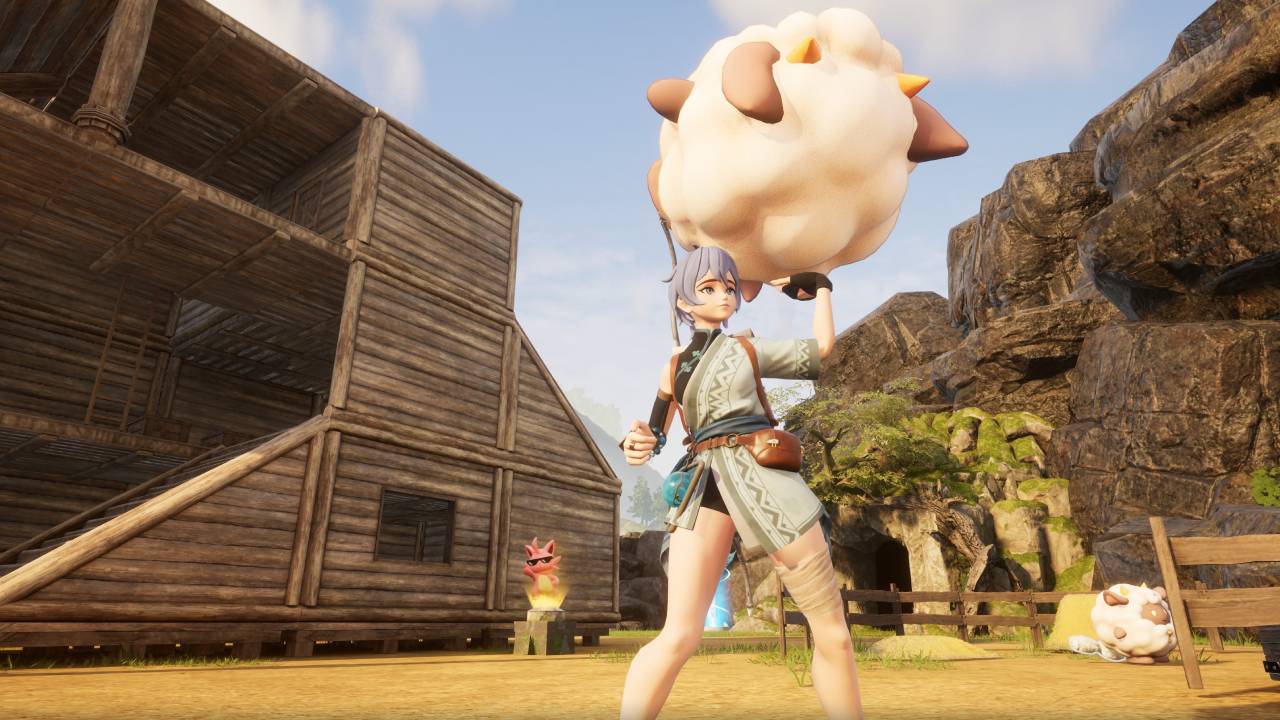
Nintendo's determination means that this story is far from over. The company can keep the case going for years by appealing to Japan's Intellectual Property High Court and changing its arguments at any time. But this long process has risks, and not just for Nintendo's reputation. It also has risks for how global regulators may see corporate control over shared creative places. Palworld doesn't seem to be affected much right away; the game is still being worked on and won't be fully released until 2026.
Still, it affects a lot more than just one company or game. The decision could change how all game developers think about IP law, risk management, and making games in the next ten years. As people around the world ask for more and more creative experiences, it becomes clear: can innovation really thrive in a world where people own the tools of imagination?
Right now, Japan's choice is one of the few times that freedom of the arts has been able to beat corporate power. As the case moves forward in court, the business world keeps a close eye on things because they know this case could determine the limits of digital creativity for future generations.
Contributor, NoobFeed
Related News
No Data.