
How PlayStation's Digital Focus Alters the Market for Devs
Developers and publishers are reportedly unhappy with plans to phase out discs, while Sony focuses on making more money from its existing console audience.
News by Adeela Tas on Sep 01, 2026
The debate around PlayStation’s move away from physical games is getting harder to dismiss as simple internet speculation. You have already seen claims that developers and publishers were unhappy with Sony’s direction, particularly around the reported plan to stop supporting disc-based game releases after 2028.
Now, another industry source has reportedly heard similar complaints directly from people working across development and publishing. According to the comments, the mood on the industry side is not particularly positive right now.
More people inside the industry seem to be saying the same thing.
There is reportedly a growing amount of resentment toward Sony over the decision to move further away from physical releases. That matters because the original PlayStation reports were quickly dismissed by some people online, with claims that the entire situation had been made up.
The reality is that you cannot easily confirm or dismiss what happened at a major industry event unless you have actually spoken with the developers and publishers involved. At this point, there are people claiming the frustration is real, while others have insisted that it never happened.
With more than one source now backing the idea that developers and publishers are unhappy, the situation looks less straightforward than it first appeared. For you as a gamer, the PlayStation argument becomes more understandable when you look at what physical games can mean for smaller studios and publishers.
Producing discs costs money, and physical games can be more expensive to produce than digital releases, but boxed copies can still play an important role in getting a game into people’s hands. A physical release also gives developers another way to build recognition around their games.
Physical copies keep working for developers long after purchase.
A game sitting on someone's shelf can keep the title visible long after launch. Physical copies can also appear in stores, collectors' spaces and other places where people discover games they may not have encountered digitally. For smaller developers and publishers, that visibility can matter because every additional way of reaching an audience can help build a brand.
That is why the reported anger toward PlayStation is believable, and why the PlayStation strategy is drawing attention. PlayStation remains one of the biggest gaming platforms, with a huge library of games and a large audience buying titles through it.

Should physical releases shrink or vanish entirely after 2028, developers and publishers would be left without a valuable channel for getting games and merchandise into customers' hands. This concern isn't isolated to the industry side, either.
PlayStation players themselves have voiced growing resistance to the broader move toward all-digital gaming, particularly because physical media gives them a meaningful alternative when it comes to purchasing and truly owning their games. For developers and publishers, the concern is more practical: losing physical releases could mean losing sales opportunities, visibility and another channel for promoting their work.
There may be a deeper financial logic behind dropping discs.
At the same time, the PlayStation disc debate appears to fit into a larger strategy around how Sony makes money from its console business. The argument is that removing discs is not necessarily about saving production costs or simply responding to the fact that more people already purchase games digitally. Instead, the bigger goal could be keeping more spending inside the PlayStation Network.
If you remove the physical option, you also remove one of the main alternatives to buying directly through Sony’s digital storefront. That gives Sony greater control over where you purchase games and potentially how prices are managed. It also gives the company a clearer path toward monetizing the people who already own its consoles rather than relying entirely on selling new hardware.
Sony’s leadership has recently emphasized that aggressively selling more PS5 consoles is not necessarily the priority during the hardware’s current stage. The company can instead concentrate on the enormous audience it already has. The figures mentioned are significant: around 95 million consoles sold and roughly 125 million monthly active users.
That helps explain why PlayStation’s strategy may be changing. If Sony already has a massive user base, increasing the amount of money generated from those existing players can become more important than pushing hardware sales as aggressively as before. A digital-first ecosystem makes that approach easier because purchases can remain within Sony’s network.
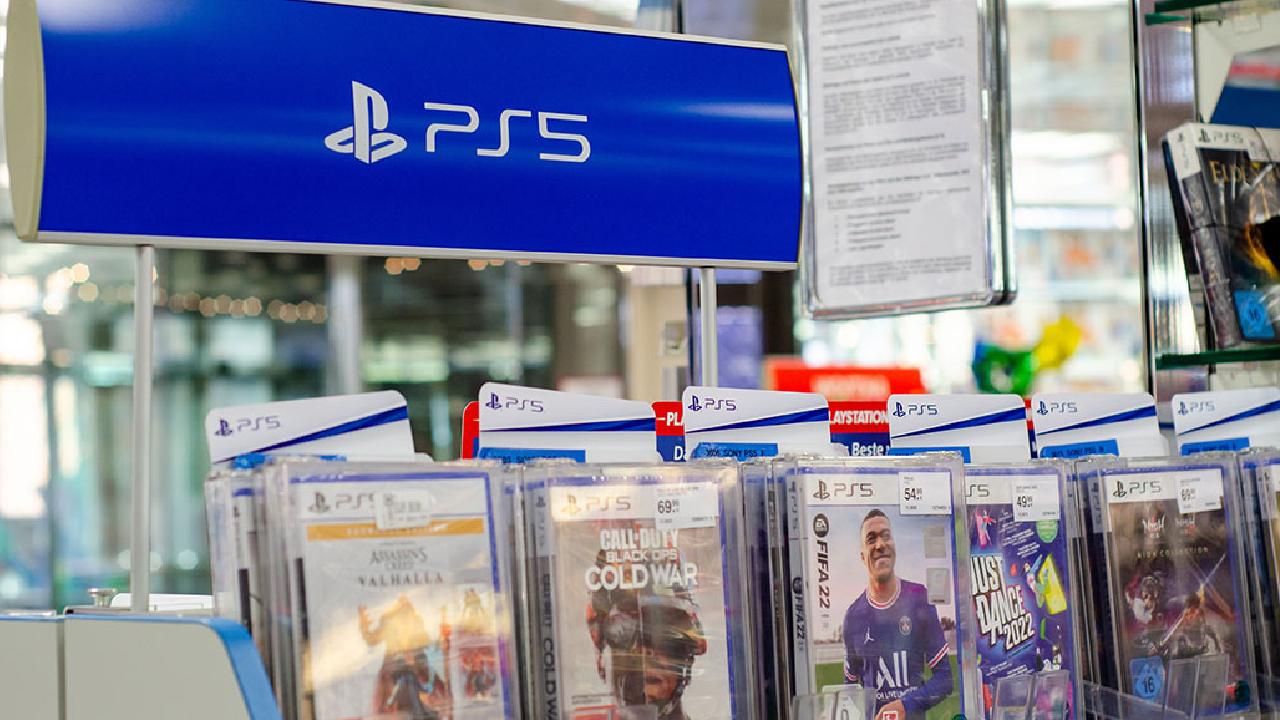
Sony's massive install base makes this strategy shift make sense.
For you, that means the physical-versus-digital argument is becoming about more than convenience. It is also about who controls the marketplace and the future of physical media, and how much choice developers, publishers and players retain. Physical media remains important to some developers, and the reported developer backlash suggests that some people making games are not comfortable with where the industry is heading.
How widespread this frustration truly is remains up for debate, and much about the alleged 2028 plans is still unclear. Still, with developer and publisher concerns surfacing again and again, it's hard to dismiss this as mere speculation. All signs point to PlayStation leaning further into its established digital user base, a direction that could ripple out to affect everyone with a stake in the platform.
Editor, NoobFeed
Related News
No Data.