
Serious Sam: Shatterverse Review
PC
Serious Sam: Shatterverse introduces the series into roguelite territory by including RPG-style progression and co-op, but the experience is hampered by repetitive encounters, uneven balancing, and technical problems.
Reviewed by Rahe Numa on Sep 02, 2026
The Serious Sam series has always focused on one thing above all: throwing huge numbers of enemies at you, giving you powerful weapons, and letting you enjoy fast-paced, chaotic arcade shooting. At its core, the series is about overwhelming enemy waves and the fun of blasting through them.
Serious Sam: Shatterverse takes that familiar formula and tries something new. Instead of sticking to the usual handcrafted campaign, Shatterverse introduces a multiverse setting with roguelite features, RPG-style progression, different loadouts, modifiers, and a focus on replayability.
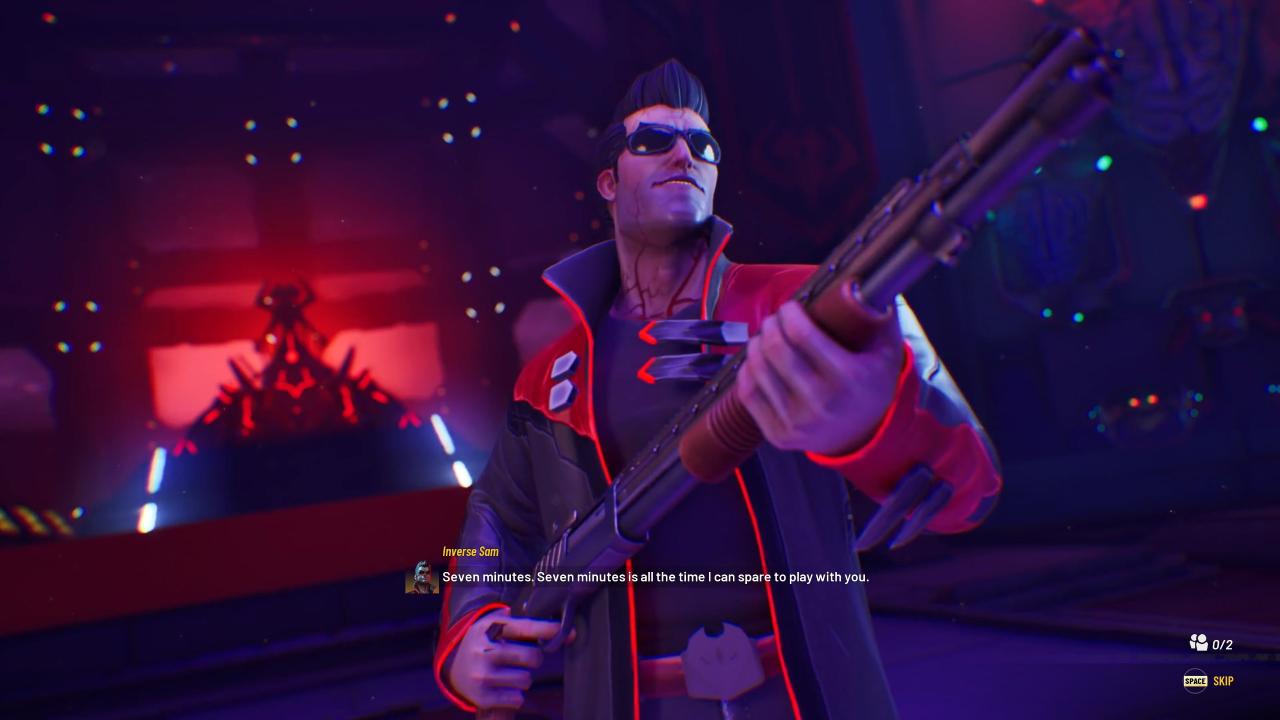
Another big change is the development team.
Behavior Interactive, best known for Dead by Daylight, is now leading development, with Devolver Digital as the publisher. This shift has raised questions among longtime fans, since Croteam, the usual Serious Sam studio, isn't involved this time.
The result is a Serious Sam game that tries to experiment, but the changes don't always work out. The multiverse idea gives Shatterverse a way to move past the usual Serious Sam formula, but the story itself isn't the main attraction.
The story mostly just moves you from one stage to the next, keeping the focus on gameplay. Sam still has the usual humor and absurd situations, but the jokes don't always hit like they used to. One big problem is how often things repeat. Sam repeats his lines a lot, and NETRICSA often interrupts with info and enemy details.
After hearing the same comments over and over, the humor starts to feel more like background noise than something funny. The story isn't terrible, but it doesn't make the multiverse idea feel important. You can play Shatterverse without paying much attention to the plot, but that also means the story doesn't give you a strong reason to keep following it.
Shatterverse changes the usual Serious Sam formula by building its campaign around roguelite progression.
You move through different stages, fight enemies, collect upgrades, unlock new gear, and slowly build a stronger setup. Instead of just finishing one level and moving to the next, your runs are shaped by different modifiers, upgrades, and progression systems.
At first, the game might not feel much like a typical Serious Sam title. The beginning also feels slow. Early on, story mode only gives you three weapons, and you have to finish the full difficulty tier to unlock more. This feels limiting, especially since Serious Sam is known for giving you a wild variety of weapons to try out.
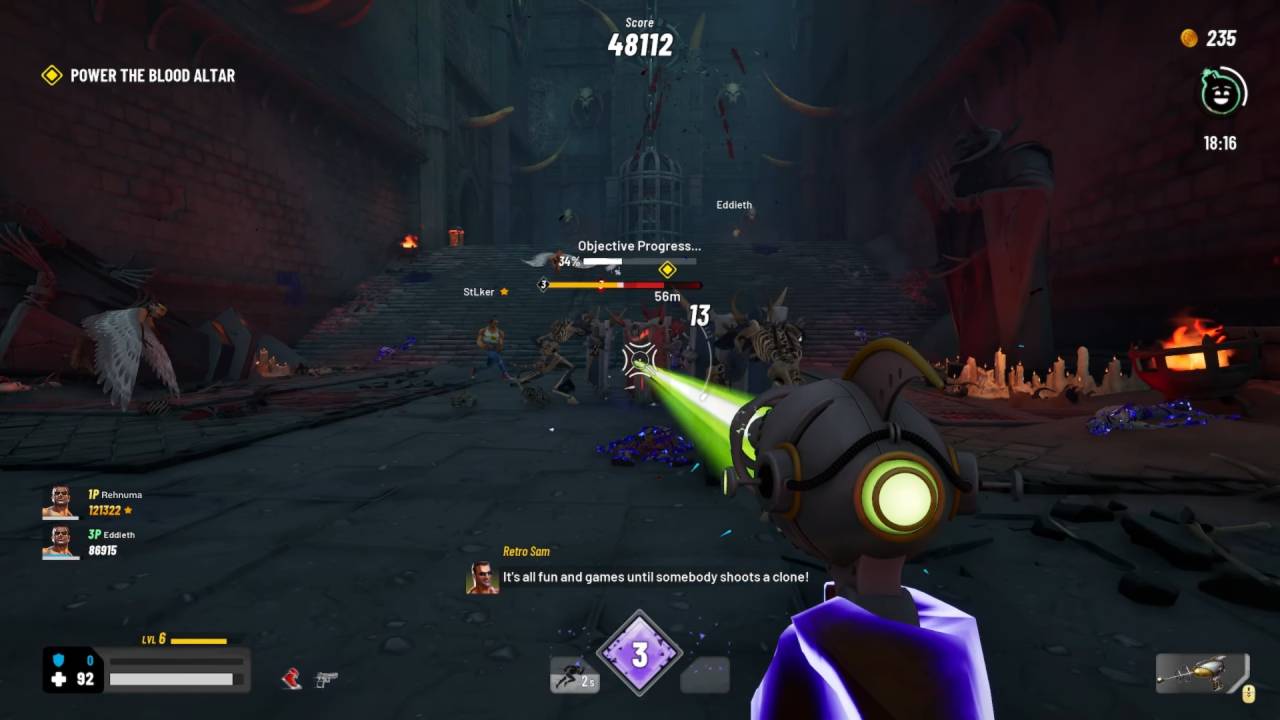
As a result, the early parts of the game can feel oddly restrictive. When you face enemies like Arachnoids, a lava monster, and a moving robot, you only have a few weapons to use. It's not always fun to fight certain enemies with short-range options like the Tommy gun or shotgun.
The game gets much more interesting once you start unlocking upgrades and improving your gear. Later in the game, you see what Shatterverse can really do when its progression systems come together. Stage modifiers, loot, classes, higher difficulties, and co-op all give you reasons to replay stages and experiment with different builds.
That's probably the best reason to keep playing.
There aren't many traditional puzzle elements here. Shatterverse is mostly about combat, so you'll spend most of your time moving through environments and fighting tougher and tougher groups of enemies. Even when the combat works well, it still feels like classic Serious.
Large groups of enemies can turn a simple room into total chaos, forcing you to keep moving and quickly decide which threats to handle first. The problem is that Shatterverse doesn't always deliver those big, impressive enemy hordes consistently. Sometimes, areas feel empty, with long corridors leading to rooms packed with enemies.
This layout makes levels feel more like a series of arenas connected by hallways rather than the carefully designed shooter maps fans expect from the series. Enemy AI is another problem. Certain enemies get stuck on geometry or behave erratically, which detracts from the intensity of battles.
Instead of feeling like you're barely surviving against a huge army, you might just watch enemies struggle to reach you. One boss fight stands out by having multiple stages, random changes, and an enraged mode. This kind of variety makes the battle feel more dynamic and gives you something new to adapt to.
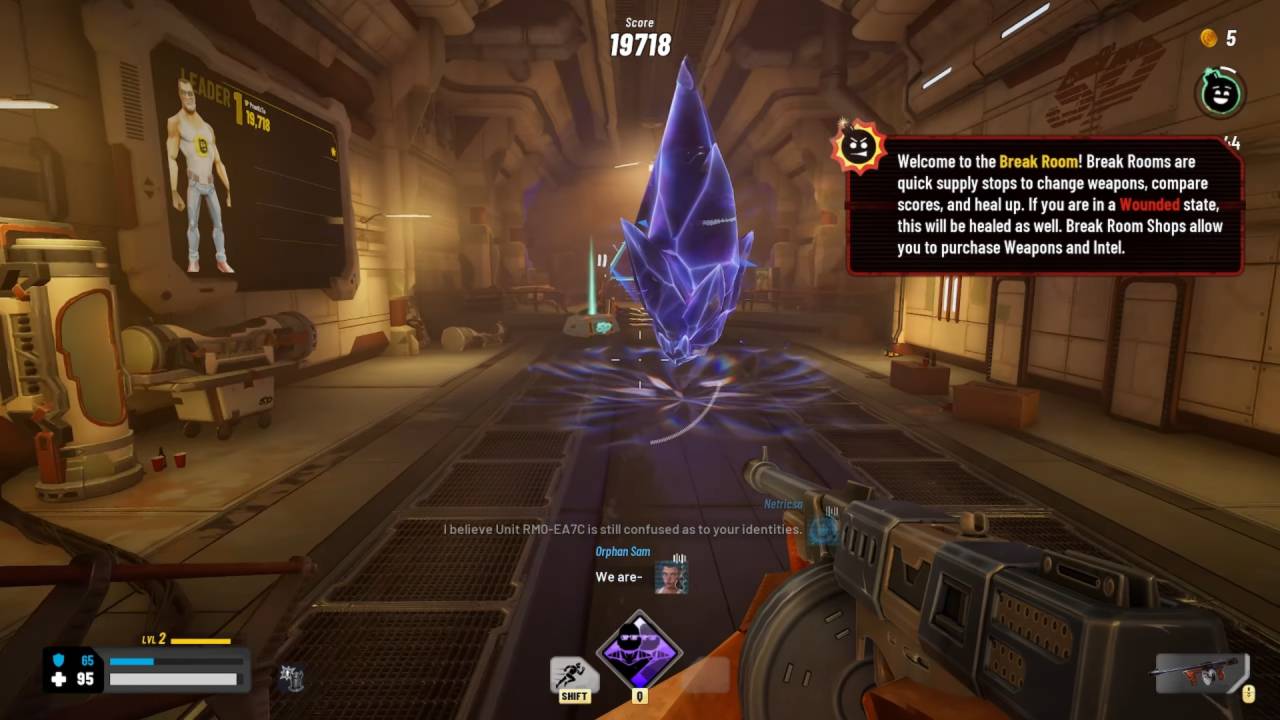
Other bosses aren't as interesting.
Some rely too much on basic attacks like fireballs and shockwaves, without adding enough new mechanics to make the fights memorable. The healing system also causes some awkward situations. You can only heal by landing melee attacks, which encourages you to play aggressively and get up close.
This is an interesting idea for regular fights, since it rewards risk-taking. The problem comes up during boss fights, where there are few or no enemies to melee. In those moments, the healing system can feel as if it's working against you rather than rewarding your aggressive play.
Elite enemies don't help much either. Instead of adding new behaviors or mechanics, most are just regular enemies with more health. As a result, later encounters can feel repetitive instead of creative. One of the biggest changes in Shatterverse is its roguelite progression, which is different from the usual Serious Sam formula.
As you play, you pick up upgrades and improve your gear, making you much stronger as you go. This power boost feels satisfying, since your weapons and abilities get noticeably better over time. Greater difficulty levels also give you a reason to try out different upgrades and builds.
The problem is that not all upgrades make much of a difference.
Some level-up options are boring, and a few weapon traits feel more like drawbacks than benefits. Instead of getting excited for the next unlock, you might wonder why some upgrades exist at all. Weapon progression also needs better balancing.
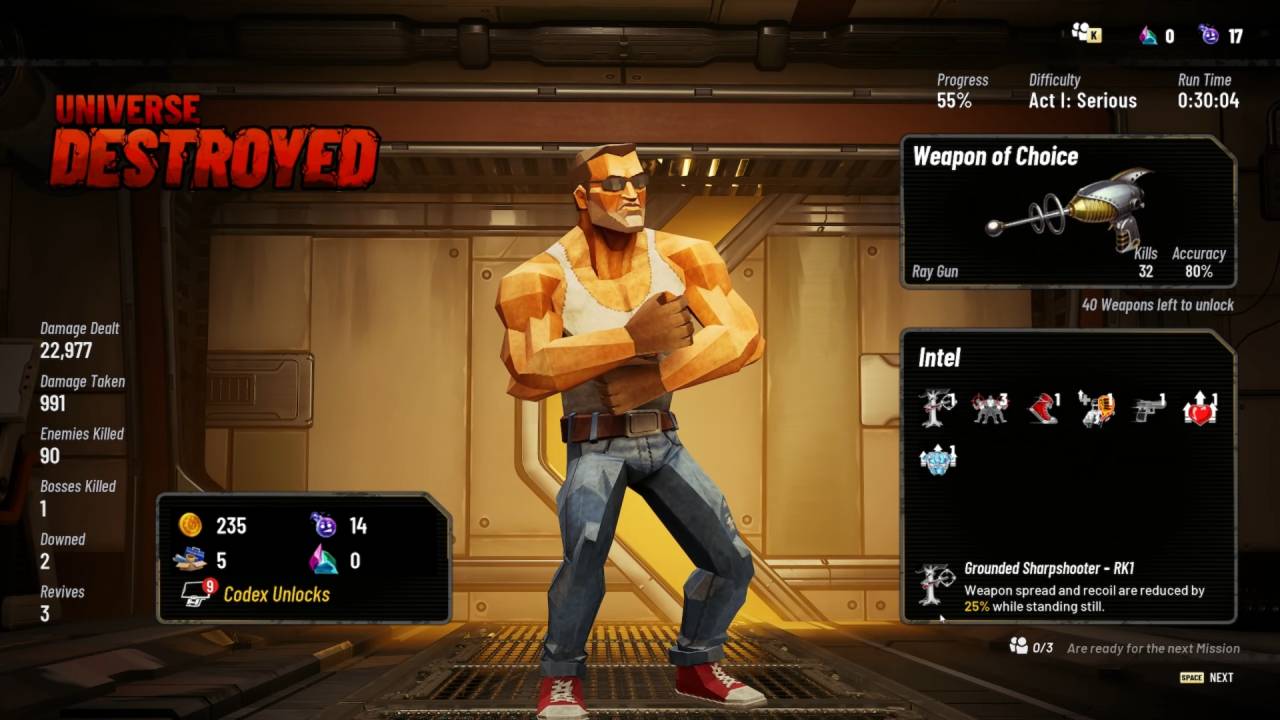
Sometimes you end up with too many pistols or other weapons that don't feel very useful, like the Reptiloid magic spell book, which doesn't always fit with the rest of the arsenal. The weapon wheel can also be frustrating when it doesn't work right, making something as simple as switching weapons feel awkward.
Challenge rooms add another layer to progression, but the rewards can be underwhelming. Sometimes you get money that's scattered around the map, turning what should be a satisfying prize into just another chore. Visually, Shatterverse sometimes matches the over-the-top style you'd expect from Serious Sam, but overall, the presentation isn't always impressive.
The environments are more functional than memorable, especially in levels that consist mostly of empty hallways leading to large combat rooms. The game also has presentation problems that make it feel less polished. Some boss cutscenes use low-resolution pre-rendered footage, which is distracting compared to the rest of the game.
There's also sometimes a noticeable pause after cutscenes before gameplay resumes.
Some secrets and environmental details, like those involving the Lava Golem, can feel unfinished or flawed. These visual issues don't ruin the game, but they do make it feel like Shatterverse needed more polish before release.
The sound effects fit what you'd expect from an arcade shooter, but the overall presentation doesn't quite reach the level you'd hope for. Weapon sounds and combat effects help create a lively, action-packed atmosphere, and Sam's voice lines keep the series' trademark personality.
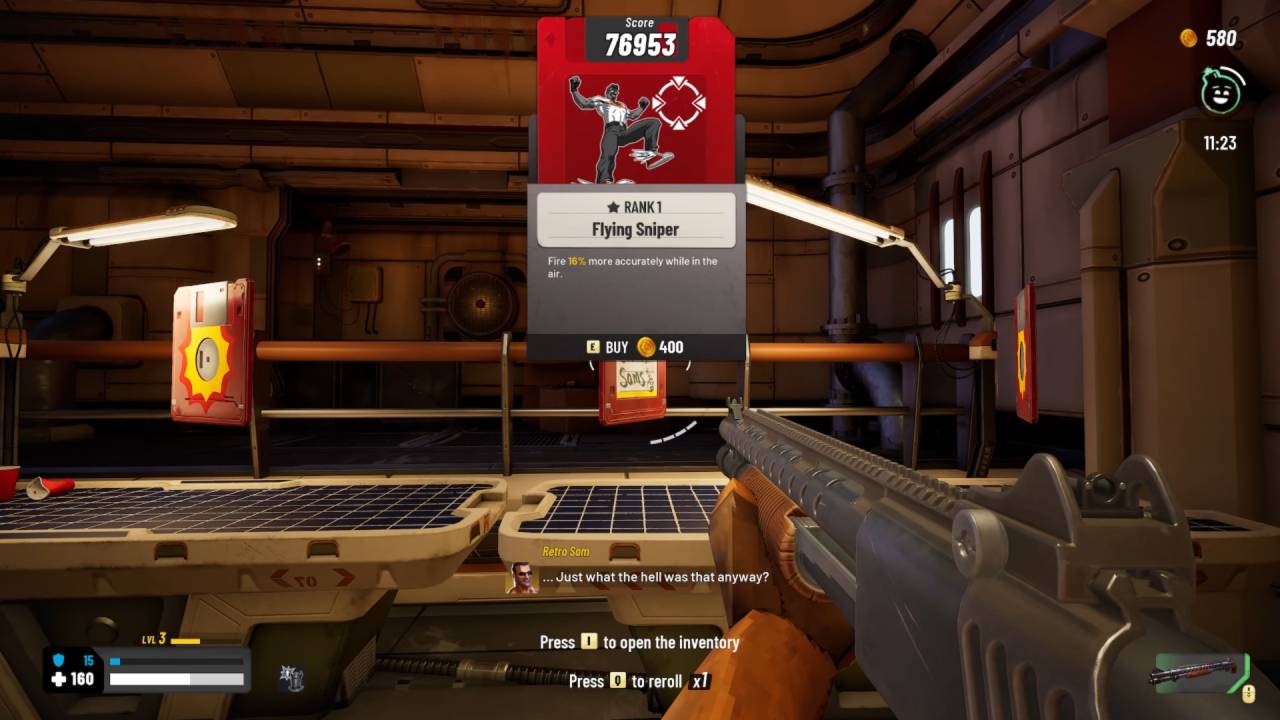
But the dialogue gets annoying after a while because it repeats so much. Sam repeats the same lines again and again, and NETRICSA's constant interruptions make the humor feel repetitive instead of fun. The problem isn't too much dialogue, but a lack of variety that makes it feel repetitive after several playthroughs.
Technical problems are another big concern. Some testers reported long, unskippable legal screens, and shader recompilation can happen several times between levels. There are also reports of the game defaulting to lower 3D resolution and having motion smoothing on, which can affect your first impression if you don't change the settings.
Performance issues have also come up, especially with the Epic Games Store version.
This is especially frustrating because a roguelite first-person shooter depends on smooth, responsive gameplay. When technical issues get in the way, the fast-paced combat loses its appeal. Despite its problems, Serious Sam: Shatterverse has a solid core concept.
Mixing the classic Serious Sam formula with roguelite progression, RPG-style upgrades, classes, modifiers, and co-op could have brought something fresh to the series. Sometimes, it actually works well. Once you unlock more weapons, upgrade your character, and try different builds, the game gets a lot more fun.
Higher difficulties and co-op mode also make progression feel more rewarding. But you need patience to reach those better parts. The start feels limited, weapon progression isn't well balanced, and enemy encounters can get repetitive.
Boss quality is inconsistent, enemy AI can be weak, and some upgrades aren't interesting enough to keep progression rewarding. Technical problems make things worse, and the repetitive humor and presentation issues keep the game from feeling as polished as it should.
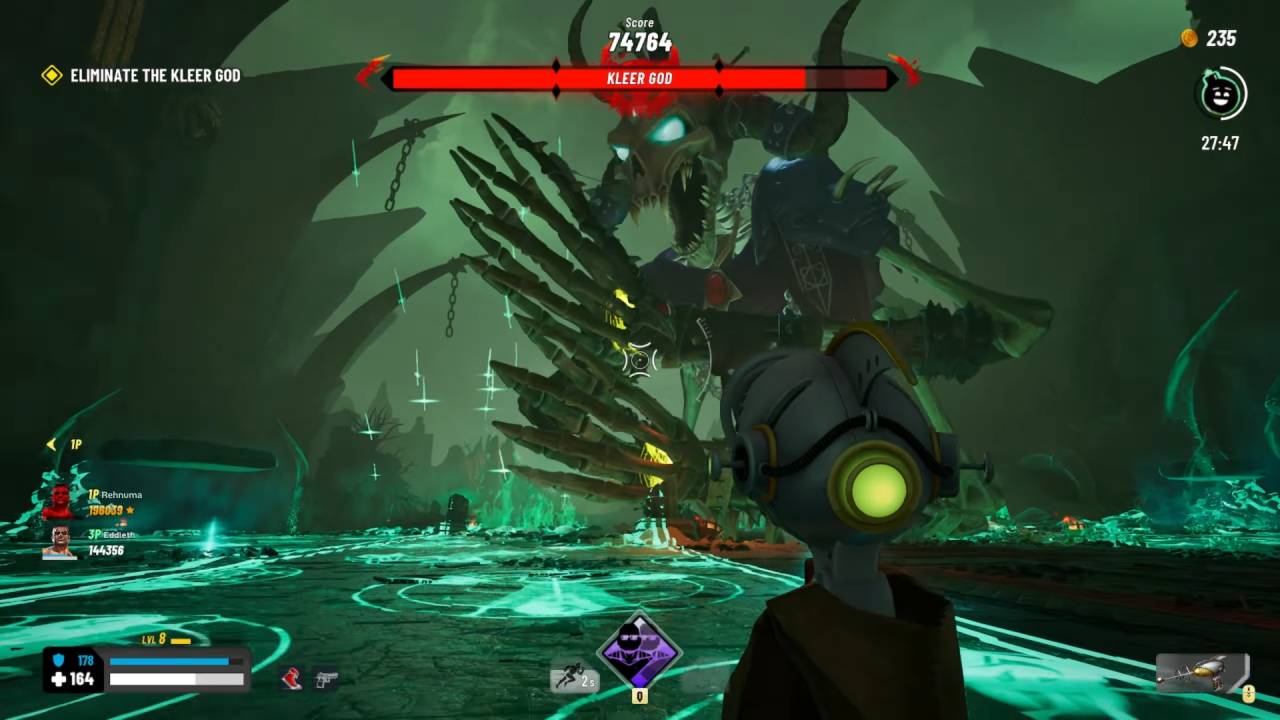
The game's best features include power progression, later stages, co-op, and replayability.
Still, the overall feedback is more mixed. Shatterverse is fun if you enjoy experimenting with builds, playing co-op, taking on greater difficulties, and don't mind some rough edges. But if you're after the pure, intense arcade chaos that made Serious Sam famous, you might find this version hard to get used to.
In the end, Shatterverse doesn't feel like a bold step forward for Serious Sam. Instead, it comes off as a game that's still figuring out what it wants to be.
Editor, NoobFeed
Verdict
Serious Sam: Shatterverse offers fun roguelite progression and chaotic co-op action, but repetitive fights, poor balancing, simple AI, and technical problems hold it back from being one of the series' best.
74
Related News
No Data.