
Nvidia’s DLSS5 Sparks Industry-Wide Debate Over the Future of Video Game Graphics
Gamers and developers push back against AI-driven rendering, raising concerns over performance, control, and potential monopolization of PC graphics.
News by Wasbir Sadat on Mar 20, 2026
Once again, Nvidia is in the middle of a debate. Gamers and developers are becoming more and more critical of its newest rendering technology, DLSS5. What was once seen as the next step forward in AI-powered graphics is now being accused of following a familiar pattern—one that some say is similar to the company's failed PhysX plan from almost 20 years ago.
The main point of disagreement is how DLSS5 is being set up and used. Demonstrations show sets that get more complicated, like when multiple high-end GPUs are used at the same time, with one doing basic rendering and the other AI-enhanced visuals. Even though this method is scientifically impressive, some critics say it shows inefficiency instead of innovation.

Some doubters point out that Nvidia has tried out similar ideas in the past.
In the past, GPUs like the GTX 580 were paired with special PhysX cards, but this idea didn't catch on and remains unpopular. Some people see DLSS5 as a more modern take on the same idea, though it is driven by AI instead of physics calculations.
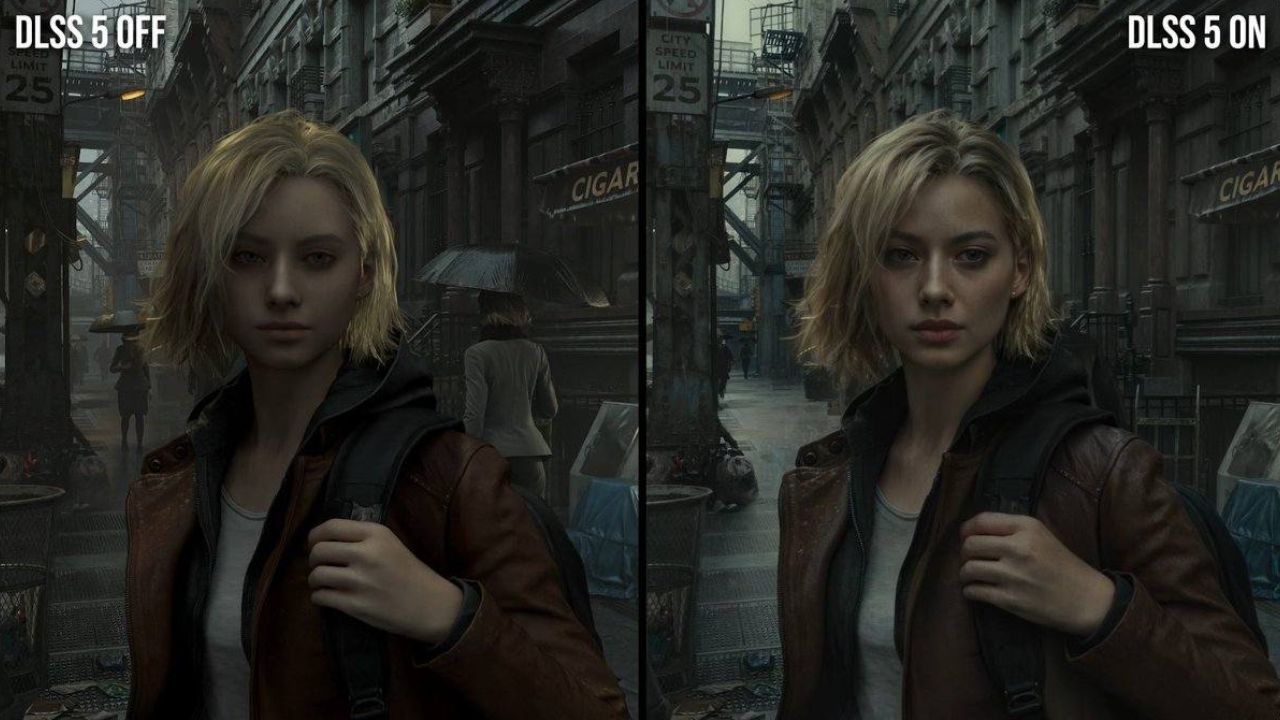
An important question at the heart of the matter is whether DLSS5 is really an improvement on upscaling technology or something completely different. Some people have noticed that the system seems to do more than just recreate images. It might be able to change geometry, lighting, and the artist's intention in real time. This has made people worry that game designers might lose the freedom to choose how their games look and feel.
A lot of coders, especially those who aren't directly working with Nvidia, are said to be upset. They say that changes made by AI can mess up carefully planned images by replacing intentional design choices with automatic ones that might not fit with the artistic direction of a game.
Reports say that Nvidia's current approach is similar to how it tried to get proprietary advantages in the past.
The PhysX project was once hailed as a huge step forward in the physics of video games, but it finally stopped moving forward and was mostly forgotten. As time went on, it was less about making technology better and more about setting Nvidia apart from rival hardware. Some say that DLSS5 could go in the same direction. By using the DLSS name for a wider AI rendering system, Nvidia may be trying to build trust in its existing brand while moving toward a very different technology. This makeover makes me wonder about honesty and purpose.
The choice to run DLSS5 in real time is another point of disagreement. Analysts say that a method that isn't real-time, like pre-processing assets while they're being built, might produce better results while still giving developers full control. Instead, Nvidia seems set on a real-time system that needs a lot of hardware, which makes the experience dependent on its own GPUs.
Some people say that this method could make it harder for competitors like AMD to do business. If big parts of a game depend on Nvidia-only technology, creators may feel like they have to use it, which could push aside other hardware options.
The debate also shows how Nvidia is changing as a whole.
The company is seen less and less as a gaming-focused producer and more and more as an AI-driven business. Future GPUs may be built differently because of this change. It is said that more silicon will be used for AI processing instead of standard rasterization or ray tracing. At the same time, AMD is working on its next-generation graphics design, which is said to make big improvements to both raster and ray tracing. This coming competition may be why Nvidia is shifting its focus to AI-based solutions like DLSS5.
They think that DLSS5 is more than just a function; they see it as a defensive move. NVIDIA could completely change the way people talk about speed by making neural rendering a new standard. NVIDIA could claim to be the leader in this new AI-driven category, even if rivals do better in traditional tests.
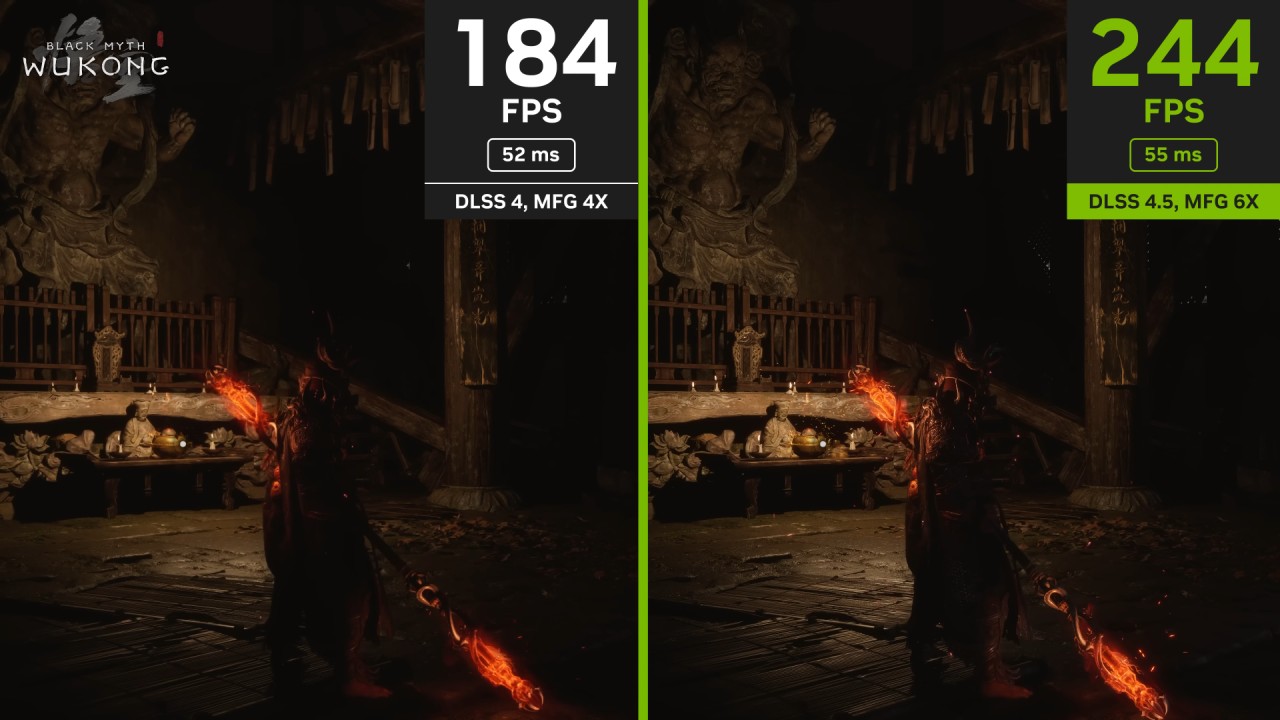
There are some risks with this plan, though. Gamers are already unhappy with features that make input lag worse or rely too much on "fake frames" instead of real speed gains. It looks like the promise of better performance through upscaling is moving toward a plan that puts visual enhancement ahead of responsiveness.
The public's response has been quick and loud. People have said bad things about DLSS5 on forums and social media because they think it has poor picture quality, shaky visuals, and too much complexity. Reports of scenes being changed and shadows being missing have only added to the anger. Developers are also coming out more and more. Many artists stress how important it is to stay in charge of their projects and warn that relying too much on AI tools could hurt the quality of their work. The growing opposition to DLSS5 says that it might not be as easy to use as Nvidia hopes.
NVIDIA's choices have been affected by pressure from the community in the past.
Previous plans, like partner programs and feature changes that caused a lot of controversy, were scaled back after getting a lot of negative feedback. People who watch think that a similar result is possible if the opposition to DLSS5 keeps growing. People are now interested in how AMD will react as Nvidia focuses even more on AI-driven graphics. It has a history of following Nvidia's lead when it comes to features, often releasing similar technologies later. But some experts say that this approach might not work in the present situation.
Instead, AMD could set itself apart by focusing on being efficient and real. The company can position itself as a more open and gamer-focused option by putting real frames ahead of AI-generated ones and offering strong native performance.
There are also talks about making technologies like FSR better, especially by giving users the choice of different modes that focus on quality or speed.
DLSS5's AI-heavy method could be paired with a highly optimized performance mode that delivers close to native visuals at much higher frame rates. In the end, what's happening shows a turning point for the PC graphics business. As AI is added to rendering pipelines more and more, it's still not clear what the best mix is between innovation, control, and accessibility.
For now, one thing is clear: DLSS5 has started a conversation about more than just graphics technology. It's about where gaming is going in the future.
Contributor, NoobFeed
Related News
No Data.