
Crimson Desert's New Combat Deep Dive Looks Like the Real Deal
Pearl Abyss just showed you how the fights, upgrades, and bosses are meant to work, and it is starting to look seriously ambitious.
News by Mahi Araf on Feb 07, 2026
Crimson Desert just dropped one of its most important gameplay showcases so far, and it feels like the kind of video that finally tells you what this game is actually trying to be. Pearl Abyss released a new deep dive focused on combat and progression as part of their ongoing series, and instead of relying on flashy edits and vague promises, this one shows you real systems in motion.
Right away, you can tell this is not meant to be a simple hack-and-slash experience. The developers characterize the combat in Pywel as visceral, grounded, and explosive, a description that becomes logical after viewing the footage.
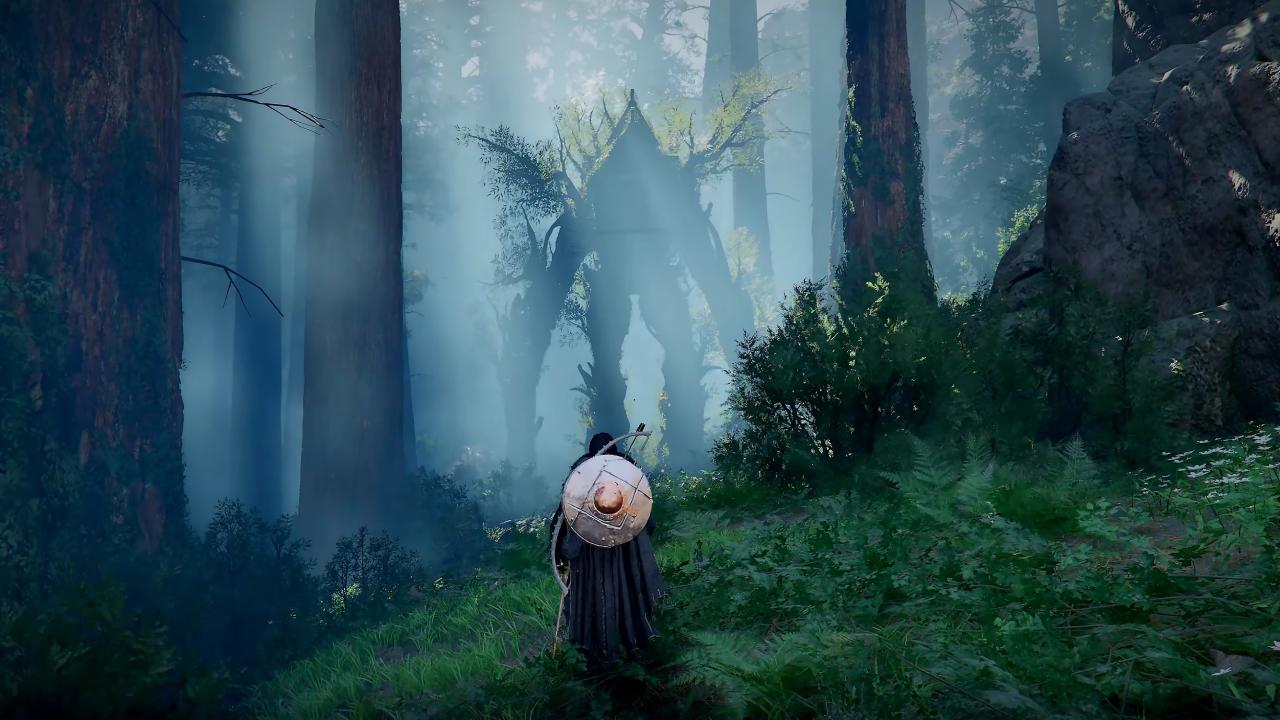
What really stands out is how much freedom you are given. You are not pushed into one weapon type or one fixed play style. Instead, the entire system is built around adapting constantly, reacting to enemies, and switching approaches whenever the situation changes. Every fight feels like a toolbox, where you decide in real time what is going to work best.
In the video, they explain that combat is built around key pillars: weapon mastery, mobility, timing, and environmental interaction.
You can see all three working together in the footage. Transitions between attacks, weapons, and movement look smooth and natural, without awkward pauses or menu interruptions. You are not stopping to think about systems. You are just flowing from one action to the next.
One of the biggest takeaways is the number of options you have in battle. You get swords and shields for a balanced approach, spears for reach, massive greatswords and axes for heavy damage, and a wide range of ranged weapons like bows and muskets, alongside magic.
The important thing is that you are not expected to commit to just one of these. The game is designed for on-the-fly weapon switching. If a powerful brute enters the fight, you adjust. If enemies rush you, you switch to something heavier. If someone pressures you from afar, you answer with ranged weapons.
Combat also goes beyond just weapons in Crimson Desert. You can chain sword attacks into punches, kicks, and grappling moves. You might slash an enemy, follow up with a punch, grab them, and slam them into the ground, all in one smooth sequence.
It makes fights feel more physical and personal, rather than just mechanical exchanges of damage.
One of the most memorable moments from the showcase is when Kliff uses a pull-style ability to yank an enemy off a bear and straight into danger. It gives off strong "get over here" energy and shows how positioning and control play a big role in fights.
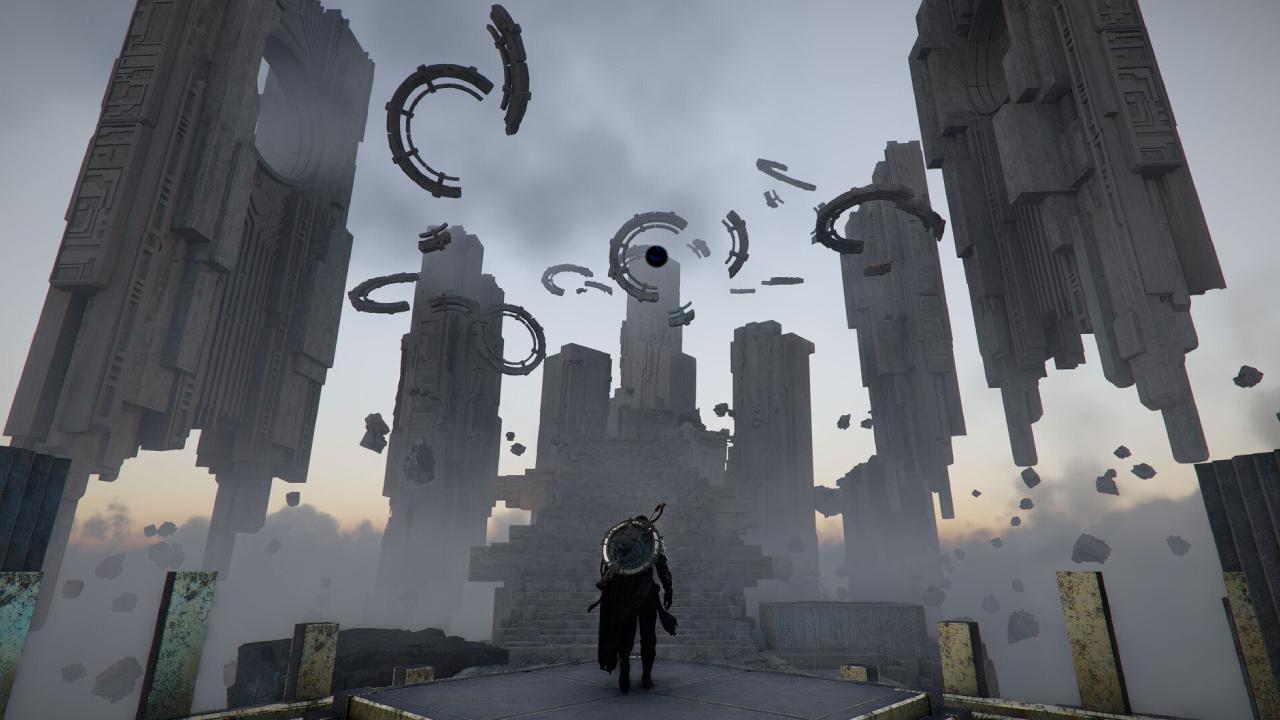
Mounted combat adds another layer to this. In the footage, you see Kliff riding a bear while fighting, with both the mount and the rider attacking together. What is still unclear is how much direct control you have over your mount's abilities.
You start wondering whether you will eventually be able to command a dragon's fire while attacking with your own weapons, or if mounts will operate more automatically. Either way, the system already looks deeper than just using mounts for travel.
Another major part of combat in Crimson Desert is the elemental system. During fights, an element wheel appears that lets you choose different effects to enhance your attacks. You see fire, frost, and air, along with icons that seem to represent poison or nature damage and lightning-based attacks.
If an enemy is weak to fire, you burn them. If something is moving too fast, you switch to frost and slow it down. It pushes you to think about preparation and adaptability instead of button-mashing, which is exactly what you want from an action-adventure game with this level of ambition.
Movement is just as important as attacking.
From the showcase, we saw that combat is not about standing still and trading hits. You can chain dodges, slides, and swings right into attacks, which lets you stay aggressive and move around. Timing and positioning are very important, and a special counter system rewards precise defense.
If you guard or dodge at the right moment, enemies become staggered or vulnerable, opening them up for powerful counterattacks. This gives the combat a slight Soulslike feel, but it seems more focused on flow and style than on punishing difficulty.
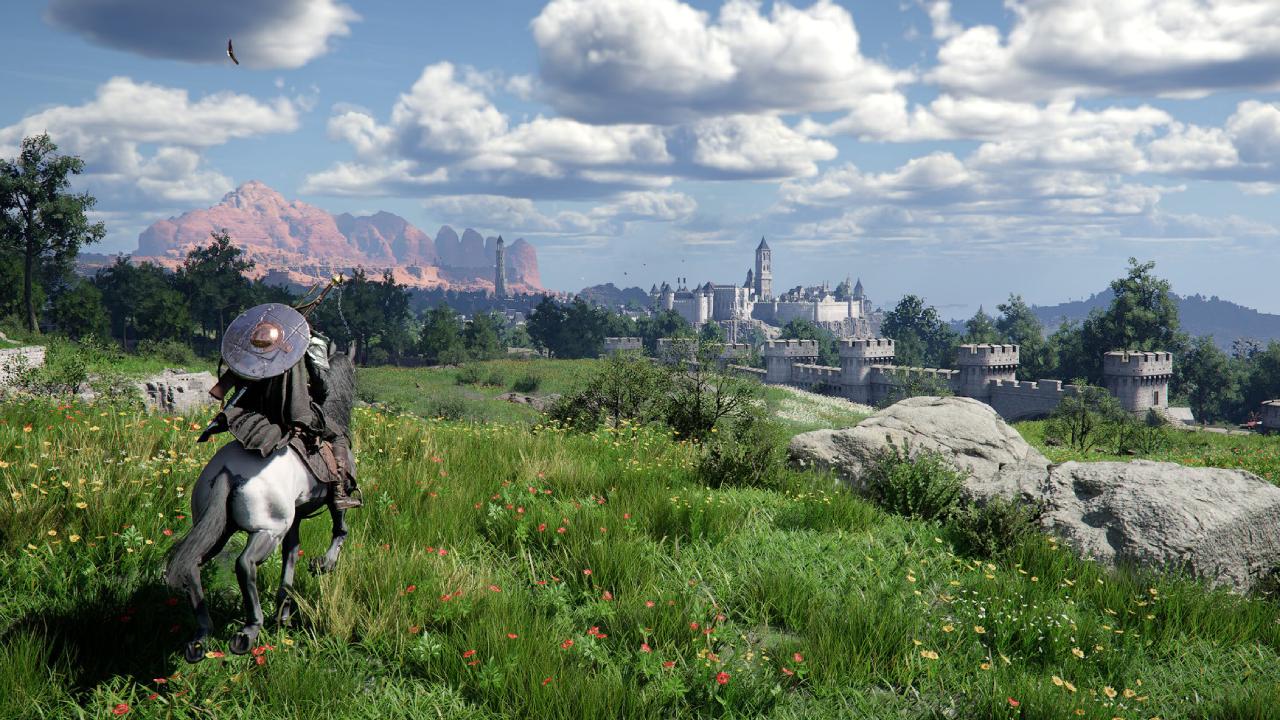
Environmental destruction is another big highlight. Objects break, structures collapse, and even grass reacts to your attacks. Spinning moves can tear through fields, boxes shatter, and explosions leave visible damage.
The battlefield changes as the fight goes on, though. Fire spreads when you throw something that explodes. If you swing through plants, they break. The environment is more than just a background; it's part of the combat language.
Terrain and objects can be used to your advantage in Crimson Desert. The footage shows Kliff using his grappling hook on nearby structures, swinging around them, and diving into groups of enemies. These kinds of interactions make fights feel creative. You are not just reacting to enemies; you are actively shaping the battlefield around you.
Progression is where Crimson Desert starts to feel especially interesting, and also where some concerns begin to appear.
Kliff is not a strong hero at the beginning of the game. After being attacked by the Black Bear, he is weak at first, and the story is about making him a true Greymane warrior again. This growth is part of a system that is based on artifacts, which Zelda fans will recognize.
Artifacts are described as fragments of the abyss, and they form the backbone of progression. You earn them through quests, exploration, boss fights, and venturing into dangerous areas. Instead of leveling up through traditional experience points, progression is discovery-based.
When you find a powerful artifact, you become stronger. These artifacts upgrade core stats like health and stamina and unlock or enhance abilities. It is very similar to collecting heart containers, and the design clearly encourages exploration.
Not all skills are unlocked through menus, either. Some abilities must be learned by observing them in the world. You might see an enemy perform a special move and then learn how to replicate it yourself. This makes progression feel organic and tied to discovery, rather than just spending points in a skill tree.
.jpg)
You can also shape your play style based on what you prioritize.
If you want more stamina for exploration and gliding, you can focus on that. If you prefer combat and grappling, you can invest there instead. The flexibility is appealing, but it comes with a concern. There has been mention that the game really opens up after you finish the main story.
That sounds exciting, but it also raises the fear that many abilities might be locked behind long hours of grinding. Reaching the end of the story while still missing half the fun tools would be frustrating. If the pacing is handled well, the system could feel amazing.
Gear and crafting are also very important for leveling up. You can buy, make, or find weapons and armor while exploring, and they are not just for show. Every piece changes your stats and how you fight.
Crafting takes a lot of work. You will mine resources, hunt creatures, beat bosses, and look for hidden locations to find them. This system looks like it will keep you busy in a good way if you like to gather and build.
Once you have the materials, you can upgrade your equipment and modify it with different attributes and special effects. This lets you fine-tune your build and experiment with different setups. Combined with the flexible combat system, Crimson Desert encourages you to try new approaches instead of sticking to one formula.
All of this leads to boss fights, which are presented as true tests of preparation.
Bosses range from human warriors to massive beasts and heavily armed enemies. Defeating them rewards you with powerful gear, including unique equipment that grants access to their signature abilities. This is one of the most exciting ideas in the showcase. Beating a legendary enemy and then using their move yourself creates strong motivation to seek out bosses and master their fights.
The footage includes several standout moments that sell the spectacle. Kliff swinging onto a massive mechanical bird looks like something straight out of a blockbuster. Another highlight shows him summoning a spirit to deal massive damage, followed by a powerful impact move.
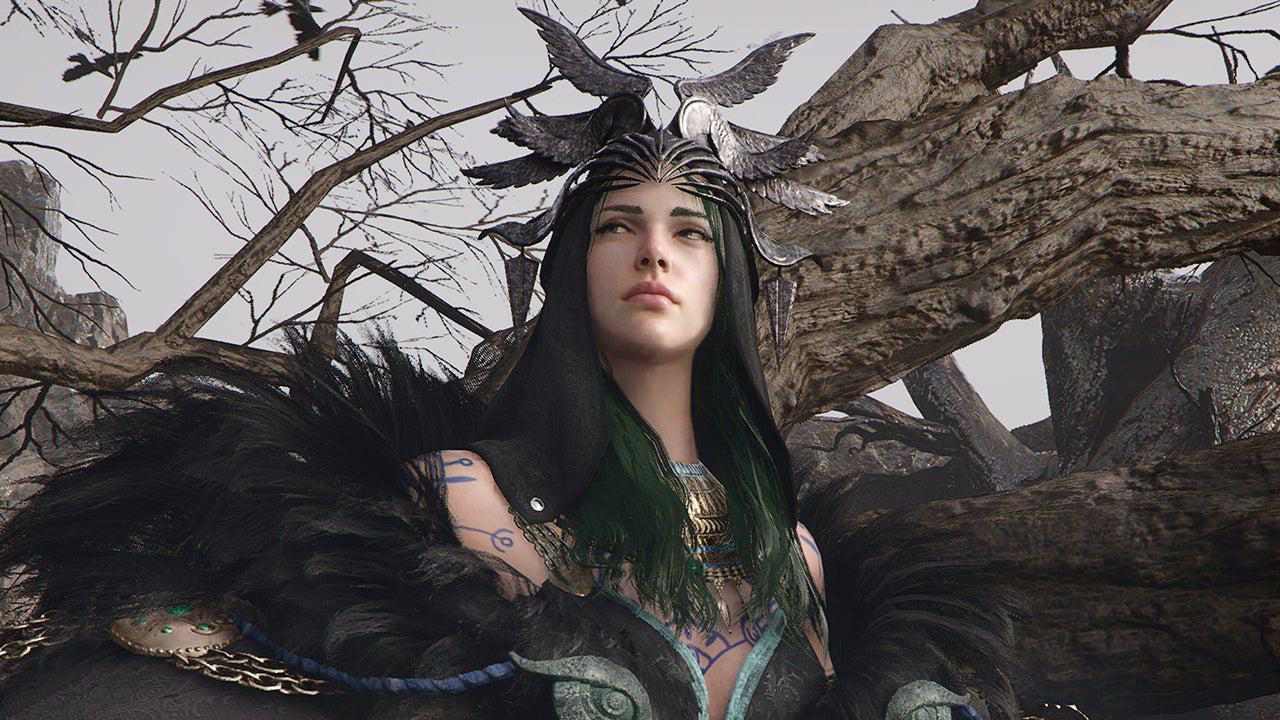
After watching this combat overview, Crimson Desert feels more ambitious than ever. The showcase does a good job of showing how combat, movement, progression, and crafting are meant to connect.
If Pearl Abyss can find the right balance between these systems and not make progress feel like a chore, they might have something great on their hands. This is the first time it seems like you can really see how the game will work, how you'll get better, and why Crimson Desert might stay interesting long after the first few hours.
Senior Editor, NoobFeed
Related News
No Data.