
Halo Co-Creator Polls Fans on Master Chief & Series' Future
Seven questions about Master Chief, PvE, Atriox and the franchise’s direction reveal where the community wants the series to go.
News by Adeela Tas on Sep 01, 2026
Things are starting to shift around Halo, and the timing is hard to ignore. Over the past few weeks, former Bungie developers have increasingly been speaking about the franchise, from the remake to possible directions for future games.
Now, the conversation has moved beyond individual opinions, with co-creator Marcus Lehto putting seven carefully chosen questions to the community while the franchise is reportedly in a research and development phase. That matters because this is the point where Microsoft and Halo Studios are considering what comes next.
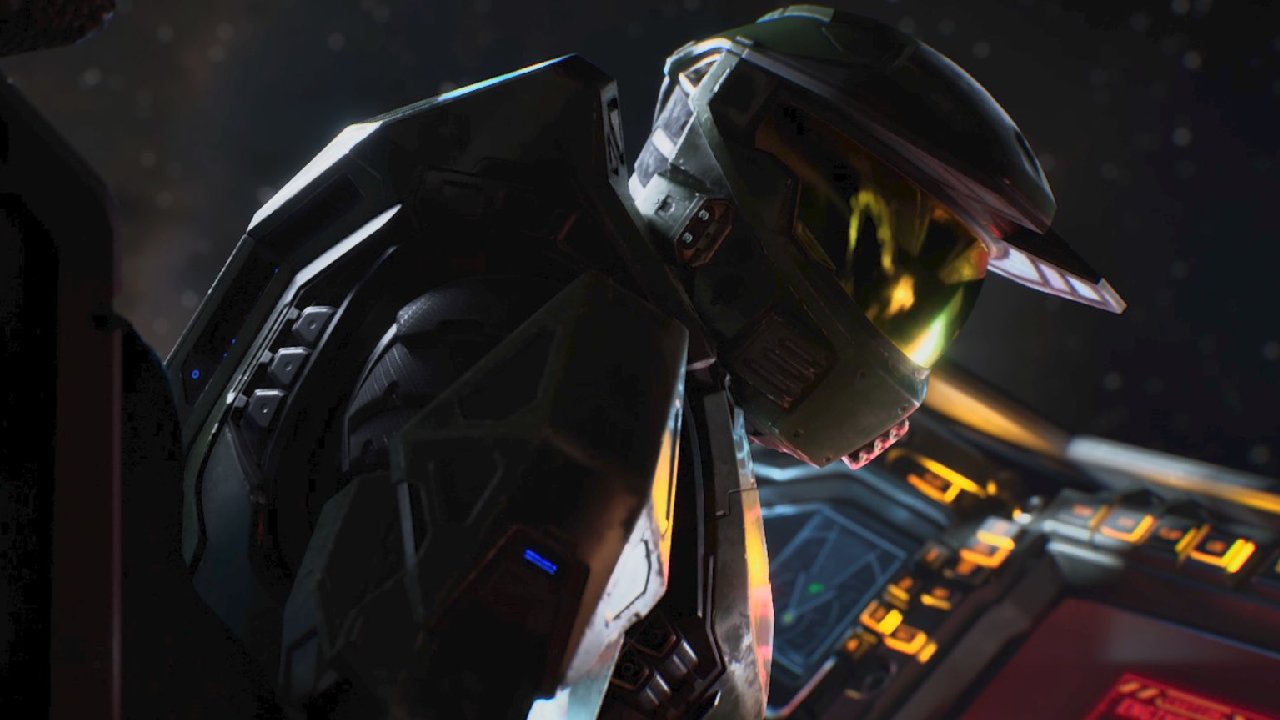
The community is being given a chance to show what it wants from the next generation of games.
There is even support from former 343 Industries developers who worked across Halo 4, Halo 5 and Halo Infinite. The timing could be especially meaningful because the original trilogy is being revisited. With around 10 to 15 former Bungie developers discussing the current state of the franchise, the feeling is that something bigger may be developing behind the scenes.
Lehto’s poll was built around the number seven, a familiar reference for longtime fans. The first question focused on Master Chief’s place in the future. The choices were to keep Chief central, combine him with new characters, or move the focus toward new characters. The clear preference was Chief alongside new characters, which offers a middle ground rather than forcing the series to choose one direction.
You can continue Master Chief’s story after Halo Infinite while also expanding the universe through other protagonists. An ODST-focused game could work, as could an Arbiter spin-off or a story exploring New Mombasa from another perspective during the Flood invasion.
Continuing the Chief storyline also feels increasingly important because so much time has passed since Halo Infinite’s campaign and multiplayer launched. Five years is a long gap for a major franchise, particularly when important developments have been left to books and other material that only a small portion of the audience follows.
A future game could bring that story back into the spotlight instead of expecting players to keep up with years of expanded lore elsewhere.
The second question turned toward gameplay priorities. The choices covered PvP and arena multiplayer, a larger new mode, PvE and campaign, or giving PvP and PvE equal attention. Firefight has repeatedly shown that players enjoy fighting alongside friends against AI opponents.
Halo 5’s Firefight even became a major way for players to progress, with Heroic, Legendary and Mythic difficulties offering different levels of challenge. Earlier versions in Reach and ODST also demonstrated how differently the mode could work, with Reach leaning more toward an arcade experience and ODST feeling more survival-focused.
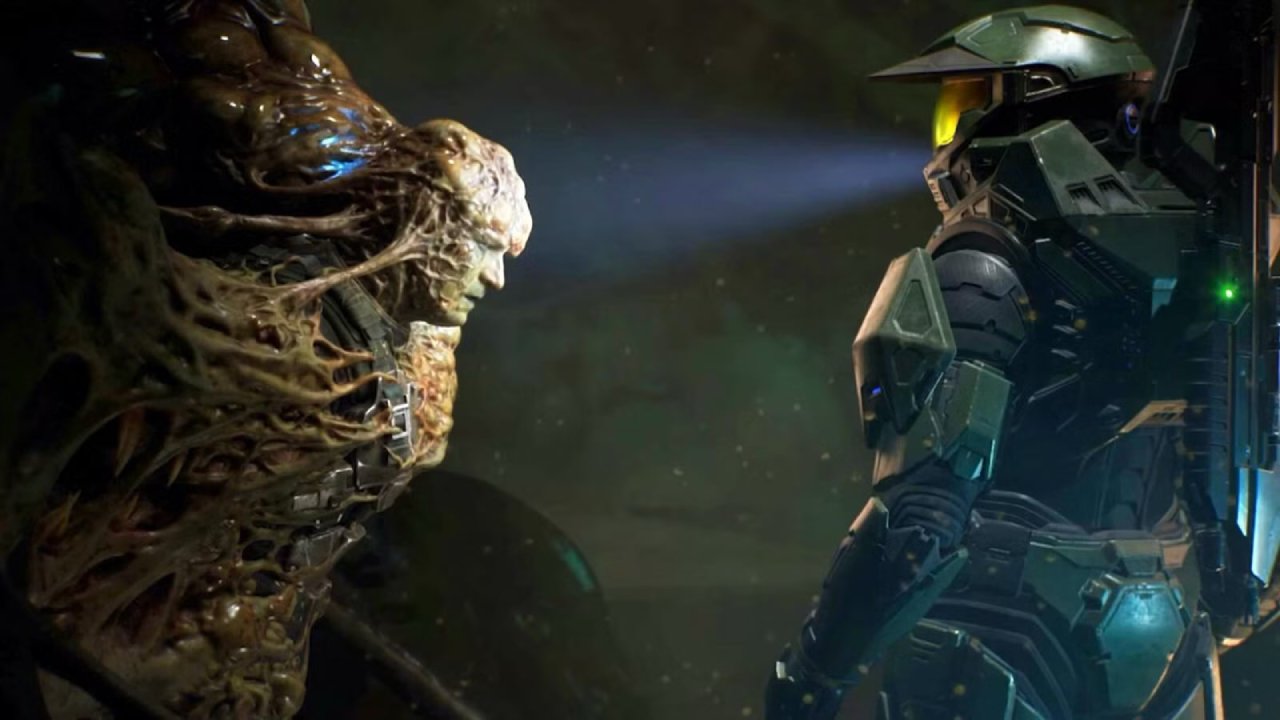
There is plenty of room to build on that foundation. A larger cooperative mode, a Firefight evolution, or even an ODST-style experience inspired by modern cooperative shooters could give players something substantial between major releases. At the same time, PvP cannot be ignored. Basic 4v4 arena multiplayer could give a campaign-focused game a longer lifespan, while a stronger competitive offering could keep the community active.
That leads into the third question: the direction of the next story. Players could choose to continue the current saga, start a new story in the same universe, or completely reboot the narrative. Continuing the existing story has obvious appeal, particularly because there are major gaps between Halo 5 and Halo Infinite and another unresolved stretch after Infinite.
A new story set in the same universe also attracted significant support.
That option could make sense for players who enjoy the setting but feel overwhelmed by increasingly complicated lore. A full reboot was another serious choice, receiving 22.5% of the vote. A reboot would not necessarily mean throwing away everything that came before; it could provide a cleaner opportunity to retell the events introduced after the original trilogy, including the stories of Halo 4, Halo 5 and Halo Infinite.
The fourth question focused on esports. Around 30% of voters said a serious competitive scene was not important, while others considered it somewhat or very important. Competitive play still has a clear role in keeping the franchise visible.
During periods when major content updates were separated by months, the Halo Championship Series helped keep attention on the series and gave dedicated players something to follow. Esports is only one part of the larger community, though. Custom games, Forge, Theater, and community events all contribute to the identity of the franchise. A healthy future does not have to prioritize one group at the expense of another.
The fifth question examined the relationship between Master Chief and Cortana. The options ranged from treating their connection as essential, viewing it as important but evolving, or considering their story finished. The discussion also naturally extends to the Weapon, whose relationship with Chief became an important part of Halo Infinite.
That dynamic creates a larger question about where Master Chief eventually ends up.
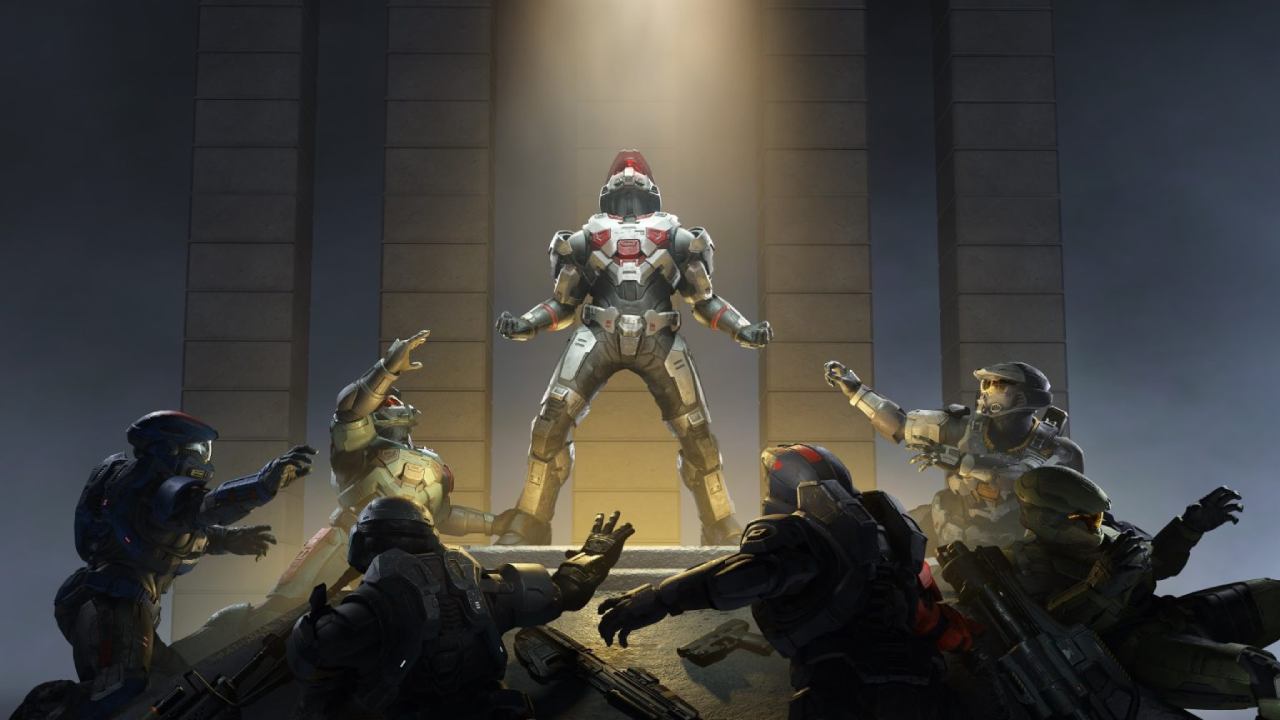
The character cannot simply remain an endlessly fighting supersoldier forever without the story addressing what his final chapter looks like. The Weapon also gives the series a way to explore the relationship between a Spartan and an artificial intelligence without simply repeating the exact Cortana storyline.
Atriox became the focus of the sixth question, and this is where the direction of the next story could become particularly interesting. He remains one of the strongest villains introduced during the 343 era, largely because he was presented as intelligent, strategic, and capable of challenging the established order. His role in Halo Wars 2 created the foundation for a much larger conflict with Master Chief.
His absence from much of Halo Infinite’s main conflict was therefore frustrating for many players. Instead of building the central story around Atriox, the game placed Escharum in the immediate antagonist role. The Endless were then introduced as another major element, but Atriox arguably already provided enough material for a full trilogy centered on the conflict between him and Chief.
Making Atriox a central antagonist going forward could give the series a clearer direction. It would also allow the story to build naturally from his previous appearances. The final question concerned tone, offering three choices: dark and grounded, epic space opera, or fun and light-hearted.
The strongest argument is that the franchise works best when it uses all three rather than treating them as mutually exclusive.
The series has always moved between military tension, large-scale science-fiction spectacle, and moments of humor. Halo 2 is a strong example. It can move from Sergeant Johnson’s humor to huge space battles and then into much darker moments involving the Gravemind, Tartarus,s and the betrayal of the Elites.
That mixture is part of what makes the series distinctive. A future game can feel grounded during a firefight, become massive during a major space sequence and still make room for lighter character moments. Choosing only one tone could actually remove some of the contrast that has helped the franchise stand out.
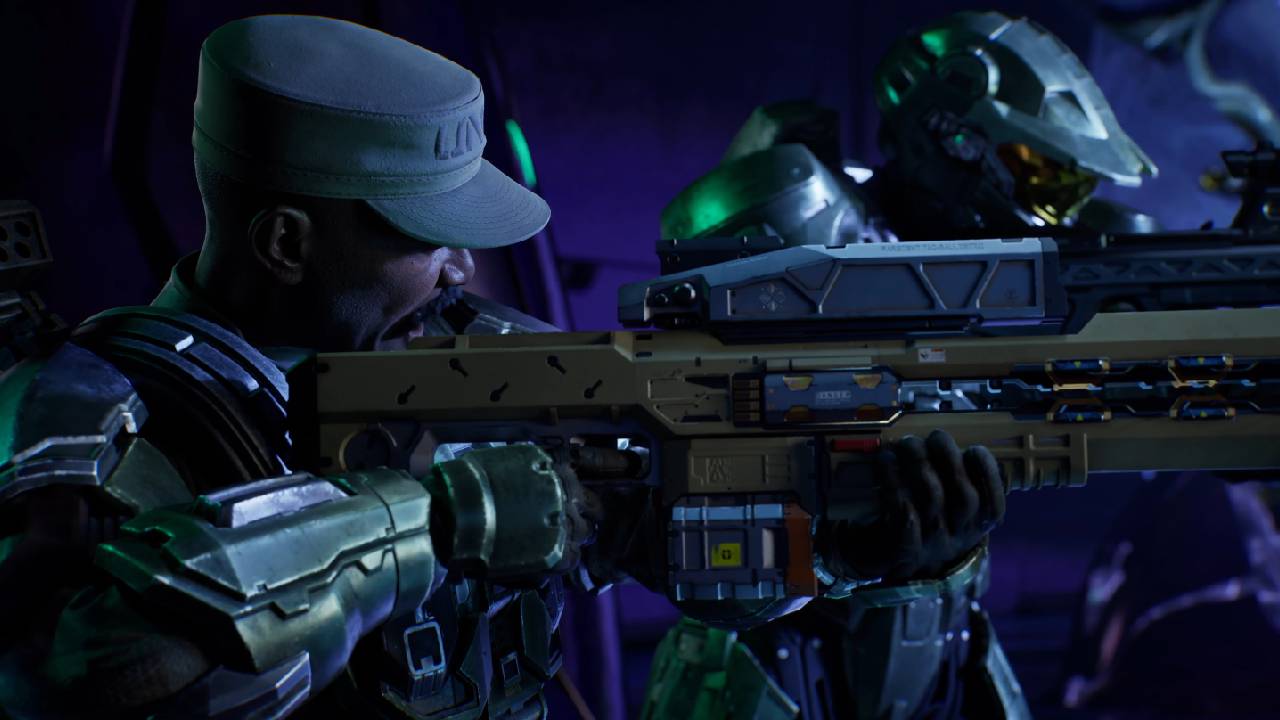
There is also a much bigger issue behind these seven questions: the sudden timing of so many former developers speaking up. With the franchise in research and development, there is clearly a window where old creators could potentially return or influence what happens next.
Bringing back some of that experience could be valuable, especially if multiple games were developed to take advantage of the wider universe. The cost of modern AAA development is another factor. Lehto has suggested that building a game on the scale and feature set expected from Halo Infinite could require somewhere around $600 million to $800 million.
Those numbers underline how expensive it has become to produce a major blockbuster.
Ultimately, the direction ahead does not have to be limited to one enormous release every several years. A strong mainline campaign and multiplayer package could sit alongside smaller spin-offs, cooperative experiences and community-driven content. The franchise has the range to support that model, and the seven questions show that there is already plenty of interest in expanding what it can offer.
For now, the most notable point is that the conversation is happening while decisions are still being explored. Former developers are discussing possibilities, the community is expressing clear preferences, and the people responsible for the next phase have an opportunity to listen after years of uncertainty following the latest game; that alone makes this an important moment for the series.
Editor, NoobFeed
Related News
No Data.