
Intel Nova Lake vs. AMD Zen 6: Gaming Performance Leaks
Intel Nova Lake faces growing uncertainty as AMD Zen 6 promises major improvements in gaming performance, cache capacity, and processing power.
Hardware by Tanvir Kabbo on Oct 16, 2026
Intel Nova Lake and AMD Zen 6 will define the next generation of desktop CPUs, but conflicting performance rumors are casting doubt on Intel's ability to stay competitive. Zen 6 is said to deliver major gains in core count, cache, and clock speeds, but Nova Lake's gaming performance, power consumption, and cost remain to be seen.
AMD Zen 6 Promises Significant Architectural Improvements
AMD's Zen 6, also known as Olympic Ridge for desktop CPUs on the AM5 architecture, is predicted to increase core count and L3 cache per CCD by 50%. Additional IPC gains, higher clock speeds, and more memory bandwidth could help with gaming, content creation, and other demanding applications.
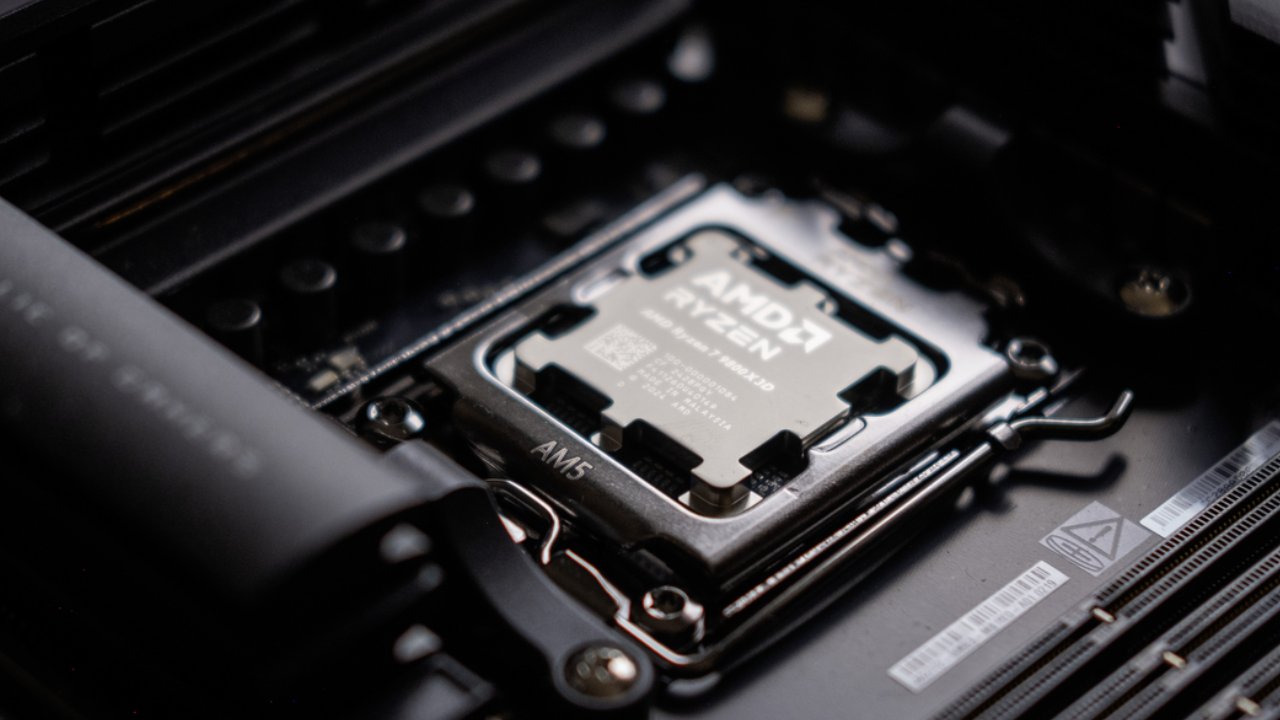
The story Intel's Nova Lake is telling is less consistent. Intel has said its next-generation processors will be a big desktop launch, but leaked performance estimates still conflict.
Intel Nova Lake Gaming Performance Remains Uncertain
The current comparisons illustrate the issue for Intel. The Core i9-14900K is still competitive, though its gaming advantage over the latest Intel processors isn't much. The Core Ultra 7 270K is also slightly better in several comparisons.
AMD's regular Zen 5 chips are comparable, while AMD X3D chips highlight the advantage of more cache. The Ryzen 7 7800X3D and Ryzen 7 9800X3D are good for gaming. They get architectural upgrades and faster clock rates in the latest generation.
According to leaker Jaykihn, Intel's higher-cache Nova Lake variants could launch first, with a wider range of engineering samples expected to ship in December. However, engineering samples cannot establish final retail performance.
Intel vice president Robert Hallock described the upcoming generation as potentially one of the company's most significant desktop launches. Nevertheless, official statements have yet to clarify how much faster Nova Lake will be than Arrow Lake.
Nova Lake's High-Core-Count Models Could Be Expensive
Leaked specifications suggest that one Nova Lake configuration could feature eight performance cores, 16 efficiency cores, and four low-power efficiency cores. Higher-end variants are expected to increase those numbers substantially.
The 52-core model could appeal to content creators and streamers, but reports suggest it may consume considerable power, generate substantial heat, and cost comfortably above $1,000. More cores alone won't guarantee better gaming performance, especially if clock speeds and cache behavior become limiting.
AMD Zen 6 Could Deliver 10-15% IPC Gains
Zen 6 is said to include 48MB L3 cache and 1MB L2 cache per CCD, with support for up to 12 cores per CCD. Memory speeds could approach 8,000 MT/s, and the predicted IPC gains are in the 10-15% range. Desktop clock speeds are still debated. others for 6.0-6.2GHz, others for 6.3-6.4GHz. With IPC increases, even a conservative 6.2GHz estimate might put regular Zen 6 processors on par with current Zen 5 X3D models in gaming.
The projected transition to 12 cores per CCD may also help multitasking. More processing headroom would help when running games alongside Discord, streaming software, and other background apps. Future X3D models could also pair these cores with more cache, although the exact specs are not yet known.
Conflicting Nova Lake Rumors Complicate Performance Predictions
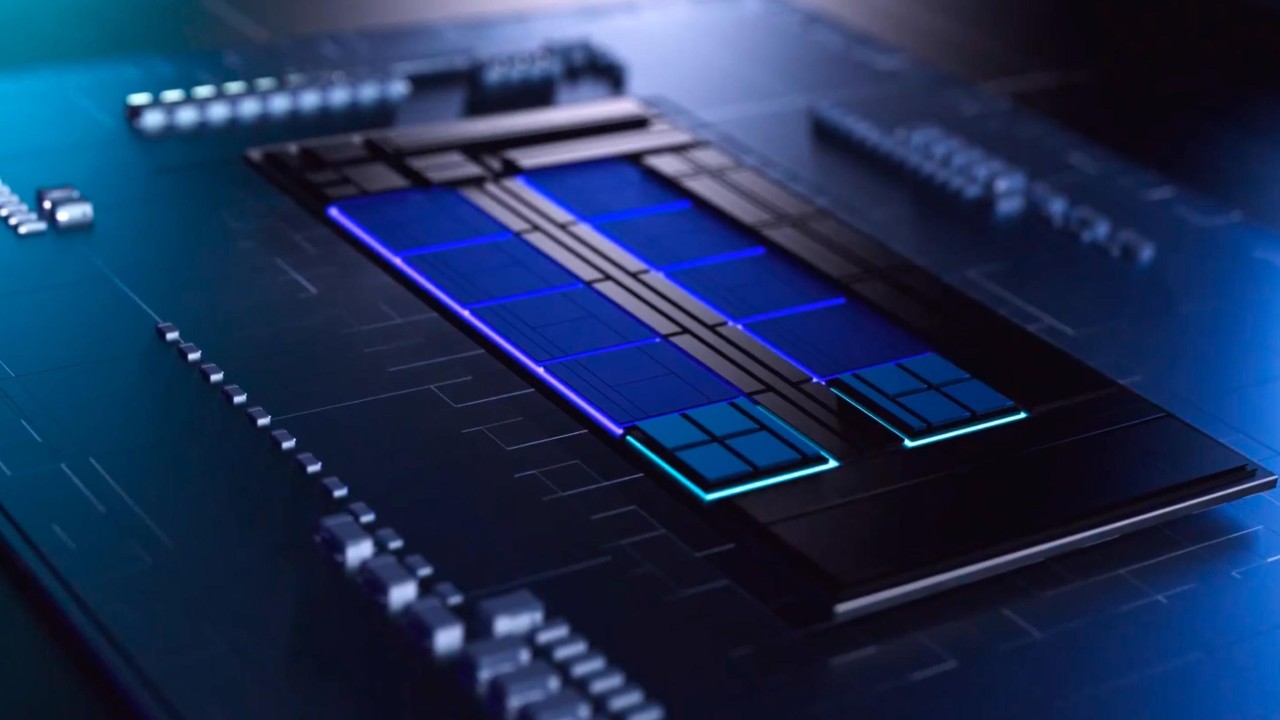
Reports on Nova Lake are far less consistent. One source points to 10-12% performance-core gains over Arrow Lake; another believes the architecture will easily beat Zen 6. Clock speeds are a worry too. Some reports indicate small gains, or even declines, in peak performance-core frequencies, while efficiency cores are more likely to show noticeable improvements.
How much they impact gaming will depend in part on workload scheduling and how well programs can use the different core types. The result may depend on memory bandwidth, cache architecture, and other design changes. It's too early to call any generation the winner until we see some meaningful benchmarks.
AMD's AM5 Compatibility Could Provide an Upgrade Advantage
AMD could profit from keeping AM5 compatibility. Supported motherboard users may be able to update to Zen 6 without replacing their complete platform, but firmware and compatibility will still matter. Intel's Nova Lake is expected to introduce a new socket, potentially requiring existing users to buy a new motherboard. Memory costs add another complication, especially for users considering faster DDR5 kits.
For gamers already using AM5, upgrading the processor without rebuilding the entire system could make AMD's next generation particularly attractive.
.jpg)
GPU Prices Add More Uncertainty to PC Upgrades
The wider hardware market is also experiencing unusual pricing. Reports indicate that the RTX 5090 remains available but has reached approximately £5,400 at some retailers. Rumors of the card approaching end-of-life remain unconfirmed. Meanwhile, a potential RTX 5080 24GB variant is reportedly planned for Q1 2027, alongside rumors of a 12GB RTX 5060 Ti. Neither development is officially confirmed.
Zen 6 and Nova Lake Face Different Challenges
While Nova Lake still has mixed reports about performance, power consumption, and cost, AMD's Zen 6 paints a more uniform picture of the projected improvements. Intel may still have a big architectural ace up its sleeve, but its success will depend on real-world gaming performance and the platform's total cost of ownership. The competition isn't settled until independent benchmarks and retail specifications are available.
Senior Editor, NoobFeed
Gaming Hardware Updates
No Data.