
Intel Shifts Focus to Latency and Software Strategy Against AMD X3D CPUs
Intel pivots toward software optimization and latency-focused design to counter AMD's dominant X3D gaming performance advantage.
News by Tanvir Kabbo on Apr 26, 2026
Desktop CPU wars used to be fought over core count and clock speed. This has now been upended by Advanced Micro Devices and its X3D products. Processors such as the Ryzen 7 and Ryzen 9 X3D variants not only competed but also redefined the very nature of gaming performance through large, stacked caches.
Intel, including figures such as Robert Hallock, is now openly acknowledging that. Rather, it's now openly discussing it: "AMD's success in gaming meant we had to change direction". And now, rather than seeking to replicate that success, Intel is trying something more radical: changing the game.
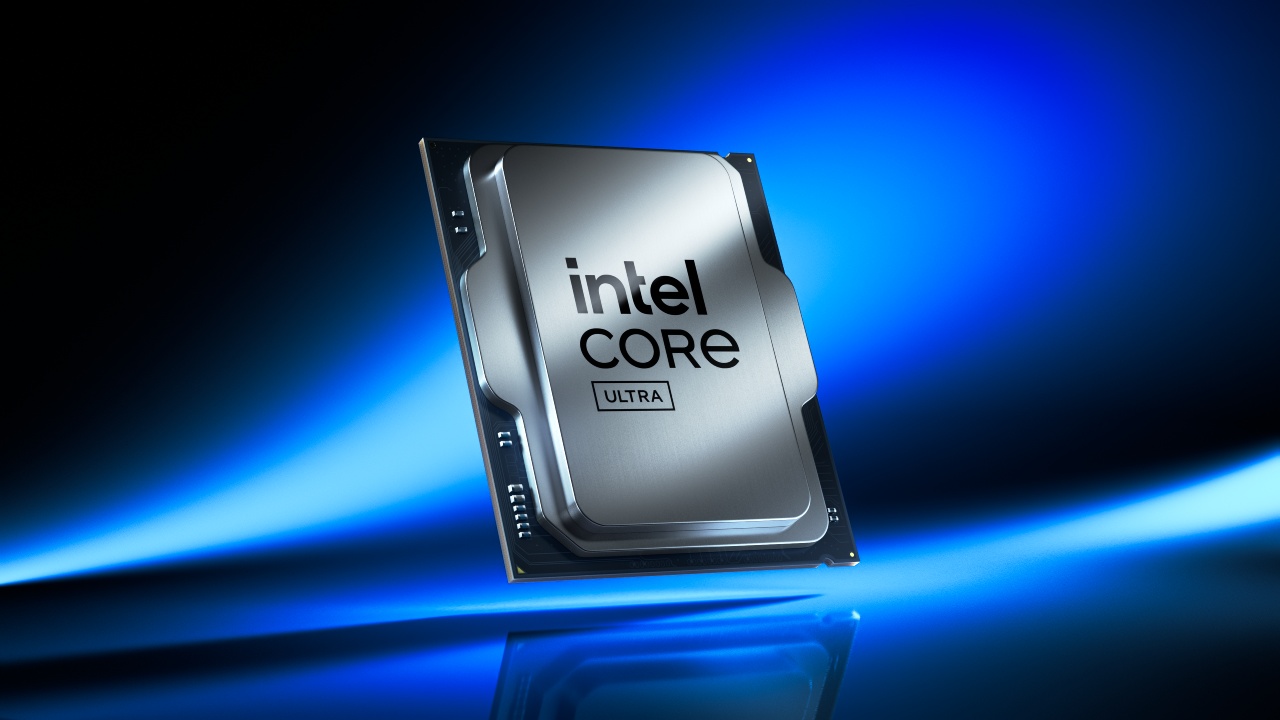
Binary Optimization Tool (BOT) and Intelligent Scheduling- Intel's response to the silicon arms race doesn't start with hardware, but software.
The Binary Optimization Tool (BOT) is at the forefront here, along with emerging technologies such as Thread Director and Application Optimization (APO). These technologies dynamically fine-tune CPU usage in games, especially in hybrid designs. The claim is ambitious: 10-30% more performance for the same hardware.
Rather than simply throwing more hardware at performance (bigger caches, faster clocks, etc), Intel is looking to fix shortcomings in how games use CPUs. Several games - especially older titles or console ports - don't effectively use multiple cores. Intel hopes that better scheduling will be the key to higher efficiency.
For PC gamers, it means performance as a service - your CPU will see a significant performance boost from software and driver upgrades well after you buy it. Intel is not happy with big cache designs. Hallock referred to large caches - such as AMD's 3D V-Cache - as a "brute force hammer". The claim is that designs like this are only useful when you have latency problems in software due to poor code optimization (typically in older APIs like DirectX 11, or console-based engines).
X3D chips are great because they universally lower memory latency. The combination of more cache and variable latencies often leads to more consistent frame times. This may be difficult to achieve solely with software.
Intel's gamble is: Make the software problem go away, rather than fix it with hardware.
Intel is shifting its focus from the "sexy" clock speed to a more practical measure: latency, in new processors such as the upcoming Nova Lake and the current Core Ultra 200S Plus. Minimizing chip-to-chip communication times, particularly in multi-tile, multi-chip CPU designs, can boost gaming speed.
This will be crucial as processors become more modular. Rather than focusing on 6GHz speeds, Intel is now looking at data speed, not just processing speed. This might mean higher frame rate pacing rather than peak FPS for gamers. But the most exciting part of Intel's product roadmap may not be for desktops. The next Arc G3 chip, based on the Panther Lake architecture, has been confirmed as a custom-built handheld gaming chip rather than a laptop APU. This distinction matters.
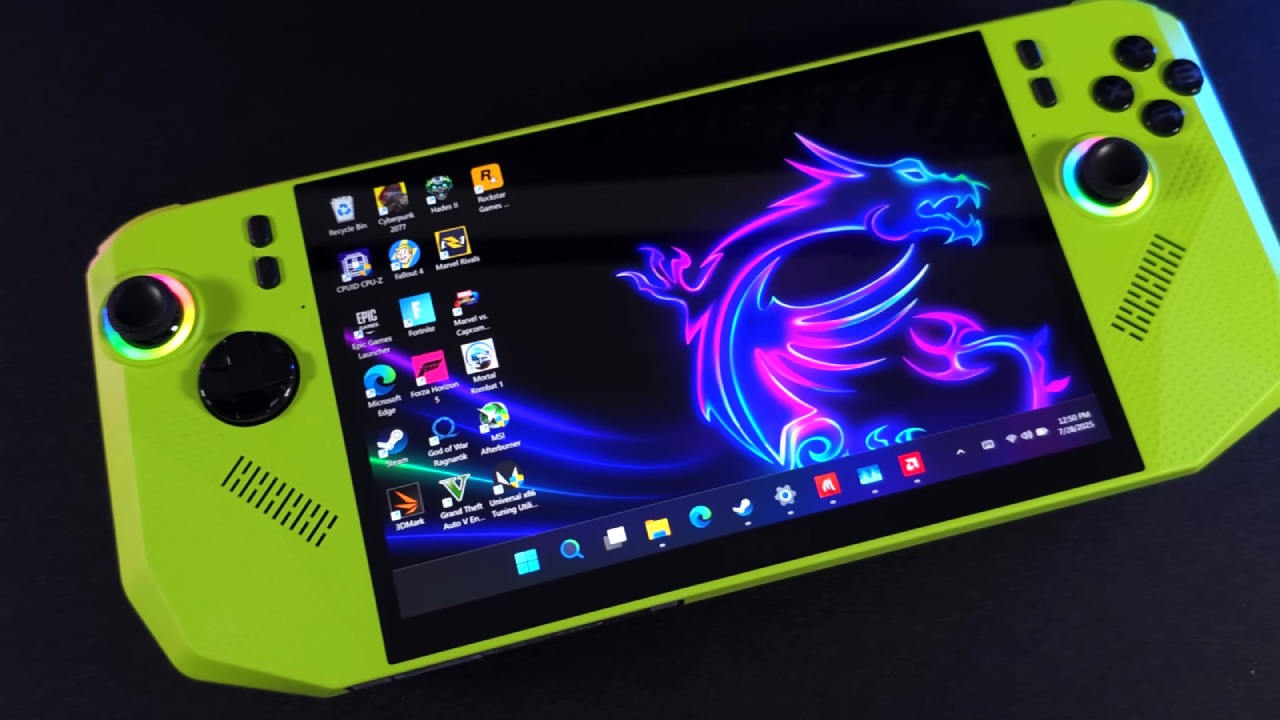
Handheld computers, whether inspired by the Valve Corporation hardware ecosystem or new challengers, have distinct power, thermal, and GPU performance requirements. A dedicated chip shows Intel is serious. With an unveiling rumored for Computex, the Arc G3 may pose a threat to AMD's handheld silicon market, which is dominated by energy-efficient APUs.
If Intel succeeds, this could reset expectations for next-gen handheld gaming machines, which are gaining popularity in markets where handheld gaming PCs are taking off.
Intel's 5-year Gaming Strategy is Ambitious - but it's Risky.
They have always preferred hardware-based advantages: more cores, more cache, higher clocks. Now, Intel is asking them to trust something less tangible - software optimization. If technologies such as BOT and Thread Director consistently boost performance across a broad set of games, this approach can change how gamers judge CPUs.
But if it only works with a handful of games, it may not be enough to convince. In contrast, AMD's X3D processors simply promise to deliver top gaming performance, plug-and-play. Intel is not only competing against AMD, but it wants to upend the game. Time will tell if gamers buy into the future or stick with the old muscle.
Senior Editor, NoobFeed
Related News
No Data.