
Resident Evil’s True Successor is a Puzzle, Not Horror
"Lorelei and the Laser Eyes" changes the survival-horror genre by removing the scares and showing what made Resident Evil so scary: the buildings themselves.
News by Nusrat Choity on Oct 26, 2025
Sources say the best game to follow Resident Evil over the last 10 years isn't even a horror game. There are no zombies, no fighting, and no crazy inventory management. Still, it captures the heart of Capcom's 1996 classic better than many official sequels. Lorelei and the Laser Eyes is the game in question. It's a creepy puzzle-adventure that captures the spirit of Resident Evil by focusing not on monsters or viruses, but on the mansion, which made the original so memorable.
Most games based on Resident Evil focus on the horror, but Lorelei and the Laser Eyes focus on the setting. It sees the house itself as the real enemy. The game takes place in a vast, interconnected European manor meant to be a maze of logic and perception. No sick scientists or horrible experiments are hiding in the shadows. Instead, the building itself is your enemy.
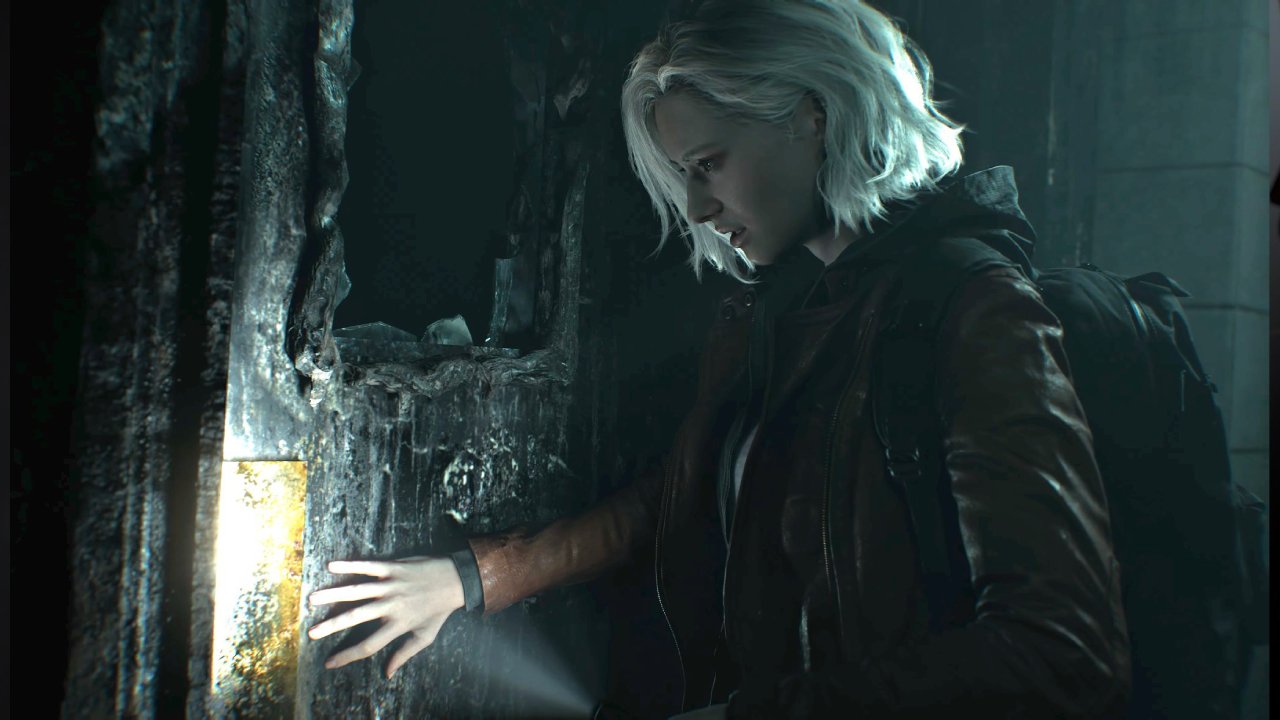
Every hallway is a puzzle, and every door is a test of your ability to see and think. The walls of Spencer Mansion in Resident Evil seem to be whispering secrets instead of screams this time.
The idea isn't new, but Lorelei and the Laser Eyes make it almost perfect. The sources say that the people who made the game thought of the mansion in Resident Evil as more than just a place to stay; it was a puzzle box meant to trap you mentally as well as physically.
They took away the monsters, weapons, and scares to show the real engine behind the horror: architecture as gameplay. You don't have to worry about bullets and herbs anymore; you have to worry about logic, perspective, and memory. The house isn't just a background; it's the game itself.
There is a strong link to Resident Evil's DNA. The "puzzles" in the first game from 1996 were just quests to find keys, crests, and emblems that would let you into new areas. The game wasn't immersive because of the puzzles; it was because you felt like you had mastered a space that had once seemed impossible to get around.
You didn't just go ahead when you opened a new door; you also learned more about how the mansion was set up. Lorelei and the Laser Eyes takes this idea and makes it the main point. Now you're not fighting the undead; you're fighting the map itself.
In terms of looks, Lorelei and the Laser Eyes is very similar to the old Resident Evil games. It has a brutalist look that reminds me of the PlayStation 1 era, with fixed camera angles and creepy lighting. Capcom used those fixed cameras to hide monsters and scare people, but Lorelei uses them to hide information.
From one angle, a vase might show a number that isn't obvious. A painting viewed from a different angle might hold an important clue. The game makes you question every point of view, which means you have to literally and mentally change how you see the world.
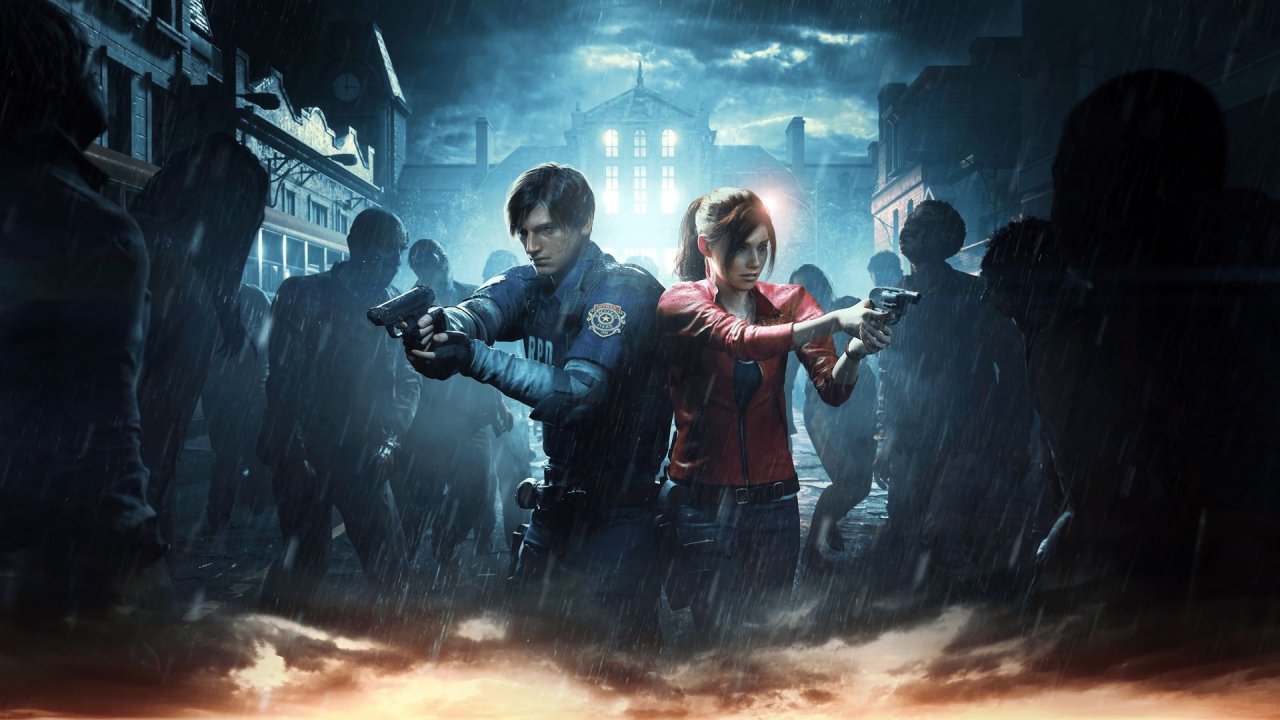
Then it makes its biggest choice: no fighting. No dogs jumping through windows or monsters hiding around corners. There are no people in the halls in Lorelei and the Laser Eyes, and that makes them feel free. The sources say the developers thought getting rid of enemies was the only way to keep Resident Evil's puzzles, so they felt they were exploring. You can stay, look, and think as long as you want.
The tension doesn't come from fear; it comes from not knowing what's going on. The real enemy is that you can't put the pieces together.
And this change makes the whole experience different. Adrenaline is what makes traditional survival horror work. You get short bursts of fear that go away once you learn how to deal with the threats. But Lorelei and the Laser Eyes make a different kind of fear: slow, mental, and heavy. You don't fear death; you fear not knowing.
The quiet of the empty manor is like a ghostly soundtrack. Every room has puzzles that make you question everything you do and doubt yourself. Lorelei is less about survival and more about giving up—giving in to curiosity, frustration, and obsession.
A lot of people are calling this method "intellectual horror." You're not in charge of bullets anymore; you're in charge of information. The only thing you don't have enough of is your own patience and insight. You may not have to deal with zombies, but you will have to deal with your own limits. The sources say that this philosophy makes Lorelei and the Laser Eyes into a mirror that shows not fear of death, but fear of failure.
The end result is a game that feels like a modern take on Resident Evil. It is both a compliment and a criticism. Lorelei shows that much of the magic came from slowly and carefully navigating a dangerous place, not from fighting. It says that Resident Evil's real genius was how it was made, something many modern horror games don't pay attention to.
That's why Lorelei and the Laser Eyes is important even outside of its own genre. It's a love letter to the part of Resident Evil that most people don't remember: the brainy, spatial puzzle box under the gore. And it's a challenge for modern horror game makers to stop trying to make movies and rediscover the thrill of mental tension. Capcom has even touched on this idea.
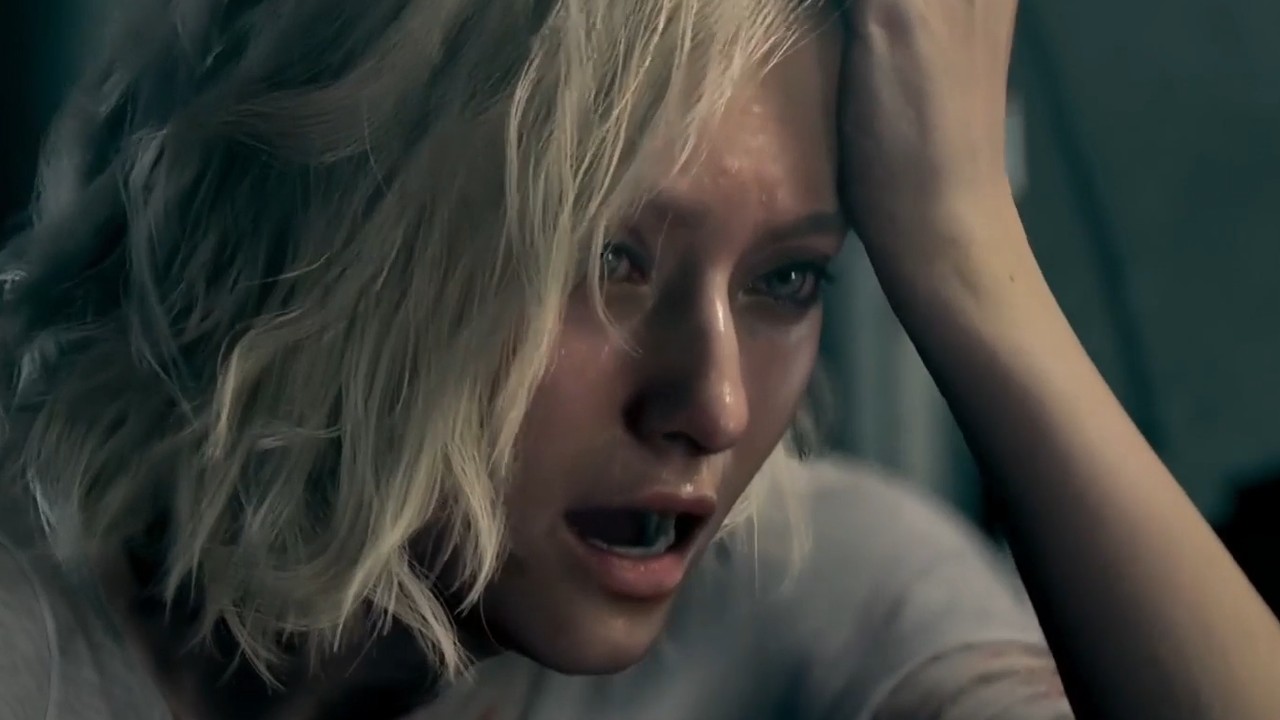
The police station in Resident Evil 2 Remake and the House Beneviento in Village both stood out because they made you feel like you were stuck in a living maze.
People didn't love those parts for the monsters; they loved them because they made the area scary.
This is what the sources say makes Lorelei and the Laser Eyes feel both new and familiar. It demonstrates that gamers seek experiences that provoke thought as well as enjoyment. Instead of being chased by innumerable enemies, they prefer to be lost, challenged, and outwitted by the level design. Nowadays, the goal is to discover new things rather than to survive.
This game is a quiet reminder of where it all began as Capcom works on the next installment, which is said to be Resident Evil Requiem. There was always the mansion, no matter what else was going on—monsters, viruses, or explosions. The house was the real villain, the real mystery, and the real work of art.
Lorelei and the Laser Eyes doesn't just bring that idea back; it makes it better. It turns the structure itself into a mystery, a threat, and a story that only those who pay close attention can unravel. Perhaps most unexpected of all, the door itself can be frightening in a horror game without the monster behind it.
With Resident Evil Requiem coming out soon, the question is: Will Capcom go back to the creepy beauty of its puzzle-box roots, or has modern horror changed too much to go back?
Contributor, NoobFeed
Related News
No Data.