
Sony Passing Kojima's Physint to XBOX Makes Financial Sense
What the new statements reveal, and what they don't.
News by Adeela Tas on Sep 20, 2026
The situation between Sony, Microsoft, and Hideo Kojima has gotten out of hand fast, and this morning, Sunday the 20th, added fresh details that put it back in the spotlight. A new studio statement and a new interview have pulled attention back to Physint and the two platform holders tied to it.
It began on September 9, when PlayStation Studios announced a difficult decision to step away from working with Kojima Productions on the game. Sony said it still admires Hideo Kojima's vision, that the relationship remains strong after three decades of genre-defining work, and that it expects close collaboration in the future. The reaction was immediate, and most of the blame landed on Sony.
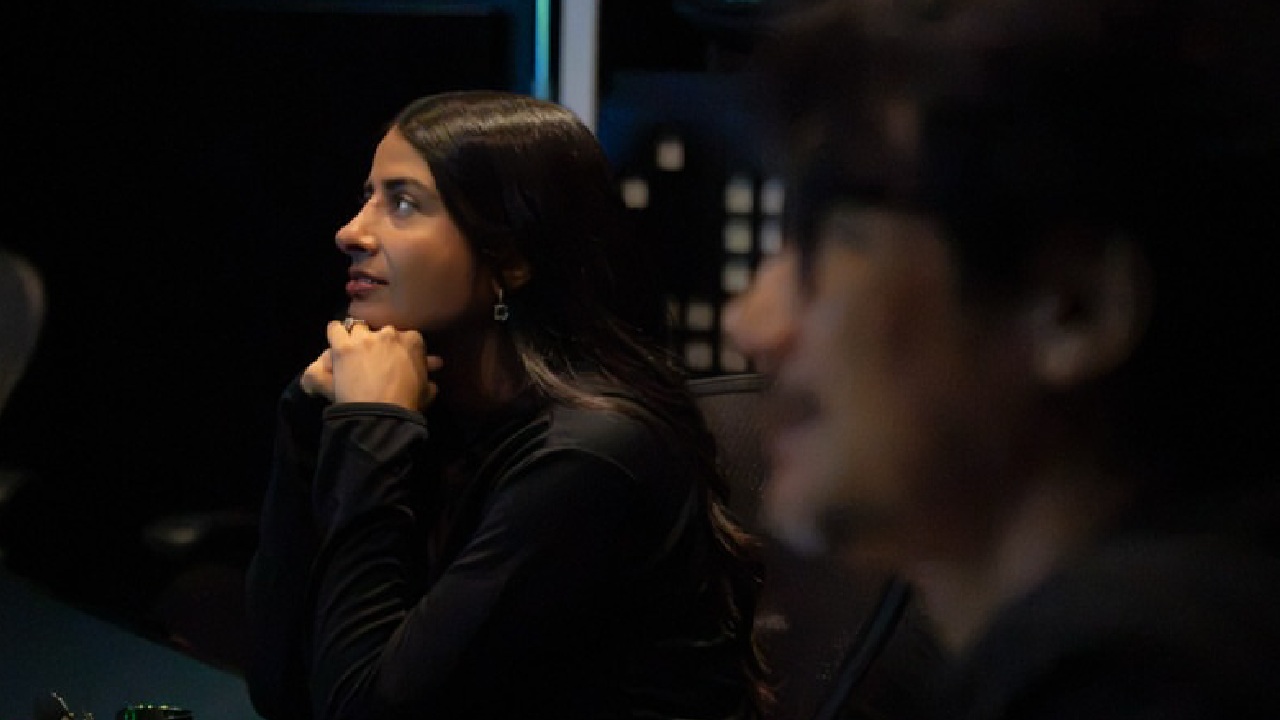
Fans called the split anything but mutual.
PlayStation's situation here isn't as cut-and-dried as it looked online. This isn't the first time this has happened to Kojima. Konami went through the same thing, never explained itself, and got blamed on the spot. When the same outcome happens twice with two different partners, it starts to look like a pattern, and a pattern usually has a cause.
According to Kojima Productions, Sony suddenly told the team in mid-June that it was abandoning Physint. The studio described the game as important not only to Kojima himself but to the entire team, and it worked for three months to find a new publisher, eventually landing with XBOX.
Microsoft came out of that looking like the rescuer, but the picture leaves out a lot. 2026 has been rough for XBOX, with layoffs, studio closures, and developers being let go, and around 1,600 more employees are still expected to lose their jobs this year.
Yet the company is apparently rolling out the money truck for an outside director. A company with no cash to keep the people who spent years making games for it finds cash for this. Set your emotions aside, and it does not add up. It helps to know where this view comes from.
Understanding this skepticism means tracing Kojima's creative evolution over three decades.
If you followed Hideo Kojima from Snatcher and Policenauts through Metal Gear, Metal Gear 2: Solid Snake, all four numbered Metal Gear Solid games, Portable Ops and Peace Walker, you know the feeling. You might own the collector's editions and even The Document of Metal Gear Solid 2.
Then Metal Gear Solid V: Ground Zeroes arrives and things feel different, more Hollywood, with big-name actors and chasing a Hollywood profile. That carried into Death Stranding and its sequel, and neither clicked for a longtime fan.
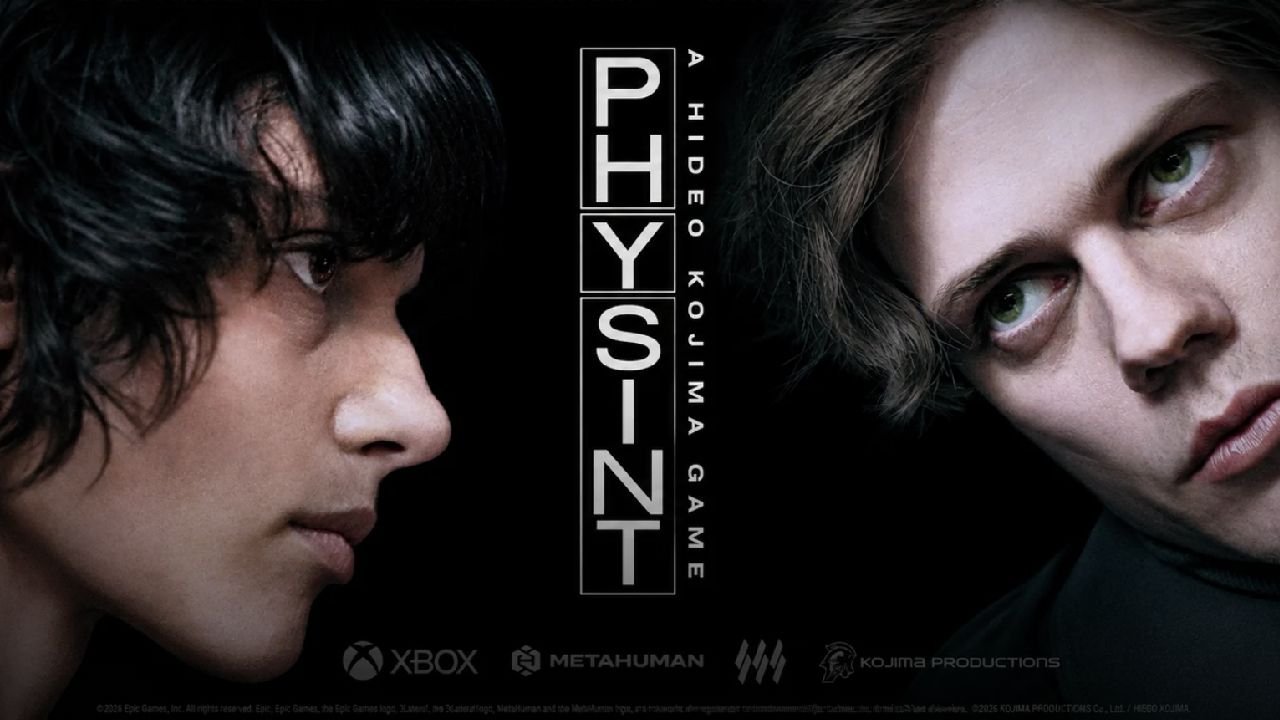
Even if you enjoyed those games, you can admit the celebrity appearances were a problem. Conan O'Brien and Geoff Keighley both show up, and the reason is simple: Kojima likes doing that. That is fine if it works for you, but celebrity cameos cost money.
That cost became a talking point after a report claimed Death Stranding and its sequel fell short of Sony's performance expectations while carrying very large budgets. The report said this made Sony far more cautious about Physint's scope and price.
Critics pushed back, noting Sony's own live-service bets like Concord and Marathon.
That is true. The difference is that those were in-house decisions, while Kojima Productions is an outside partner being funded to make what it wants. With two games that did not light the world on fire, Physint far from release, and a director who wants to use the Decima engine and celebrities again, a publisher eventually has to cut its losses. It was a no-win call for Sony, and you should expect fans to disagree.
Then today happened. Kojima Productions posted a statement responding to that report, and Hideo Kojima sat down for an interview. Read closely, both make Sony's position look more reasonable. The studio said it normally ignores speculation, but claims about its relationship with PlayStation, the commercial results of Death Stranding, and the planning and investment behind Physint had reached fans and colleagues.
It said none of the claims came from an official or on-the-record source and urged skepticism, while admitting the situation was serious and had significant implications. For the record, it said the studio is healthy and profitable, Physint is moving forward with XBOX, and the Sony relationship is strong.
Going on the defensive is a little suspect for a large company. It never disputes that Death Stranding sold below expectations relative to its budget, or that Physint is expensive. It only says to be skeptical. Of course the studio says everything is fine, since admitting turmoil would make no sense. But the earlier statement called the cancellation unexpected, and the interview hints at that again, so the messaging is mixed.
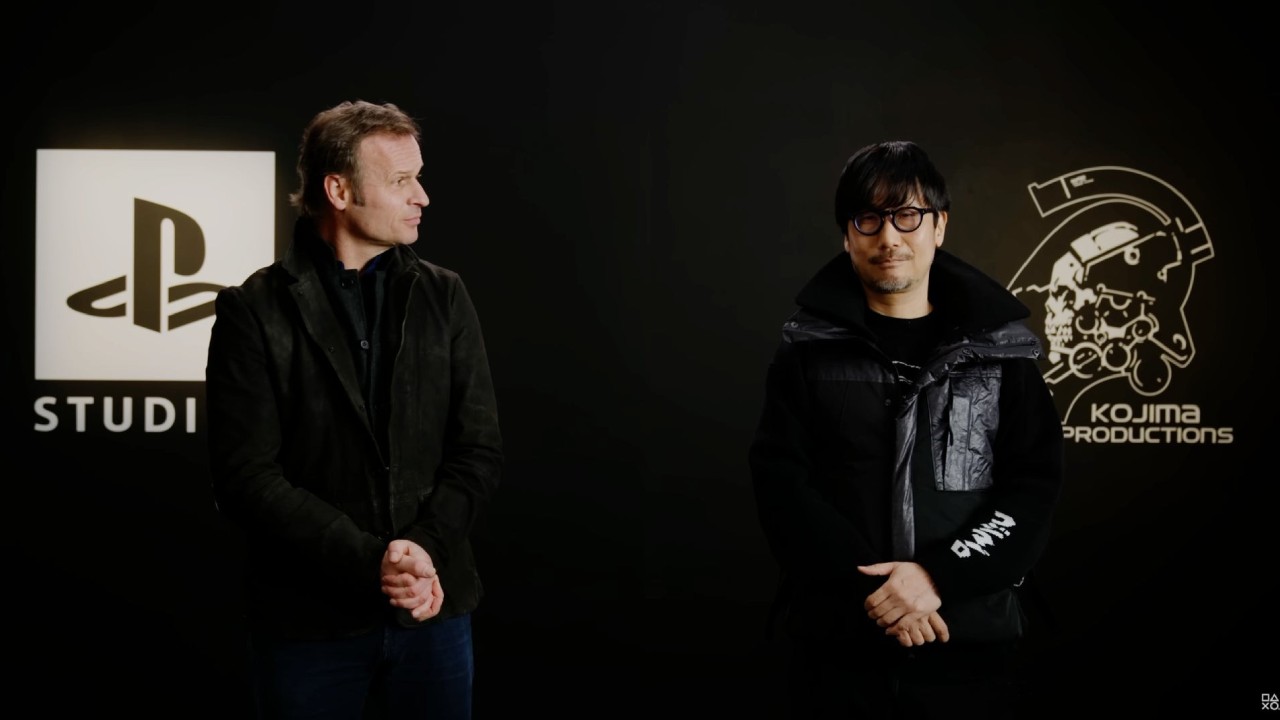
Plenty of people online noticed and said this does not look like a strong relationship.
A summary of the interview has been circulating online. Sony delivered the news over a video call instead of in person, a detail that seems meant to stir emotion and earn sympathy. Kojima said Sony gave no reason, and that he felt shocked rather than angry. He is still confused, since he considers Physint the biggest-selling game he could make. He said it is early in development with no engine chosen, and most of the studio is working on OD.
He spoke with several publishers but chose XBOX because of the existing relationship on OD, which Microsoft reportedly called an easy decision, even though the search took over three months. The plot and concept are written, storyboards exist, 3D modeling has begun, and actors are being scanned.
The cancellation reminded him of Konami scrapping Silent Hills, a comparison he made himself. He insists there is no feud with Sony and that the companies are not in dispute, despite his shock and disappointment. The staff learned about the Microsoft switch one day before the announcement.
He rejected speculation that the split was tied to Sony moving away from physical games, saying he prefers owning physical media. However, Project Helix, Microsoft's next hardware, is not expected to support physical games either. He also worries that rising costs push publishers toward proven blockbusters like GTA 6 over risky projects, and sees his fully independent studio's survival as symbolic for indie developers.
Several of those answers work against Kojima.
Physint is early, with no engine picked, yet there was plenty of fanfare showing off the cast at Tokyo Game Show. The studio is focused on OD, which has no release date, but money is already going toward scanning actors. It is no surprise Sony got cold feet.
The rumor was that the project was already over budget, and Hollywood actors do not work cheap. Meanwhile, Microsoft has money for this but not for its own projects. Calling Physint the biggest-selling game he could make creates its own problem.
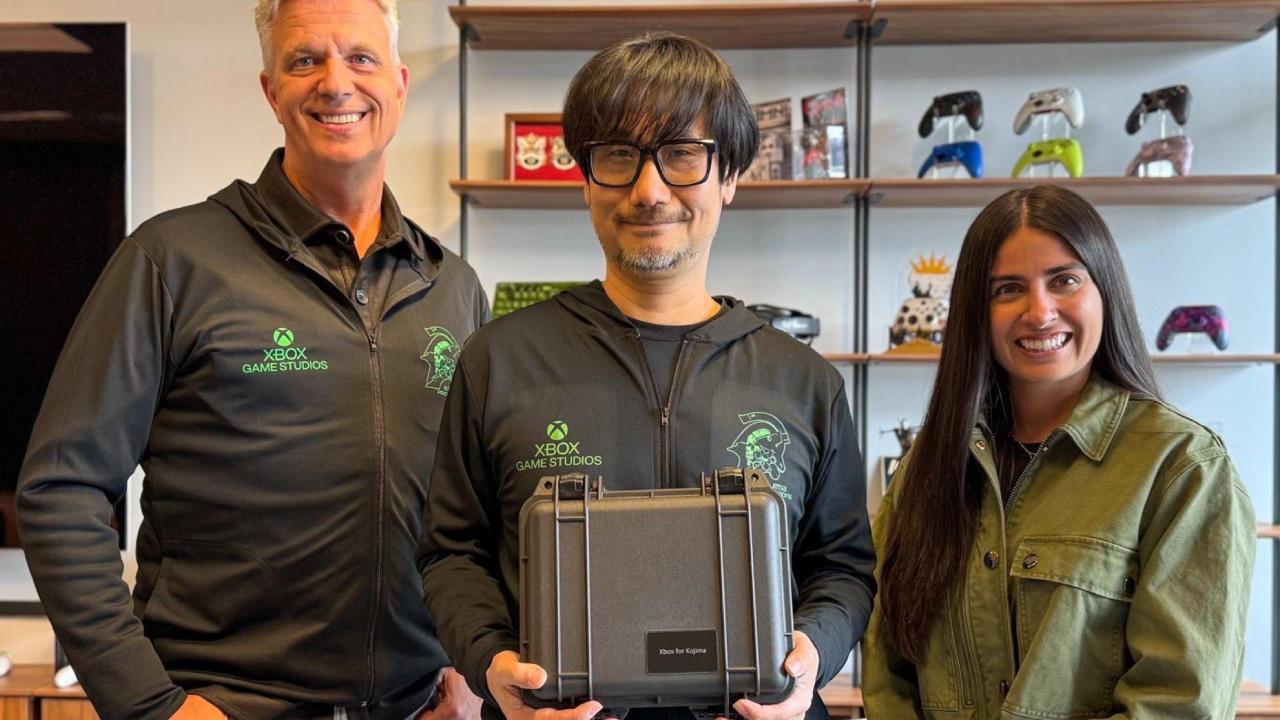
Passion projects and smaller, abstract games are fine, but the budget has to match. Spending freely does not guarantee a hit. Double Fine shows the alternative: with Microsoft money behind it, the studio spent more than seven years on the small indie games Keeper and Kiln, then turned to Kickstarter once Microsoft let it go.
If you side with Hideo Kojima and the game arrives around 2031 with a huge budget, you can see why people think Sony blundered. Nobody knows what either company's platform will look like by then. Still, this looks like a necessary evil.
Sony's optics look shaky, yet the unaddressed budget questions tell their own story.
The Hollywood names attached make clear this is a high-budget production, and no engine is selected because the plan was to use Decima again, which belongs to Sony and Guerrilla. Geoff Keighley, host and creator of The Game Awards, called out Konami after its own falling-out with Kojima.
It remains to be seen whether he does the same to Sony or stays quiet because Sony's money supports the show. Look at it one way, and Kojima doesn't come off blameless here. Look at it another way, and Sony just made a tough, defensible business call rather than a villainous one. Realistically, most people probably land somewhere in between; both sides have fair points.
Editor, NoobFeed
Related News
No Data.