
Anomalith Review
PlayStation 5 Pro
FuRyu's psychological horror shooter offers an interesting setting and satisfying combat, but suffers from technical issues and repetitive exploration.
Reviewed by Asura Kagawa on Oct 31, 2026
Anomalith is a third-person psychological horror shooter from Japanese studio FuRyu, best known for titles like The Caligula Effect, Monark, and Crystar. Over the years, the developer has dabbled in all kinds of RPGs and action games, often focusing its projects on quirky worlds and character-driven stories.
With Anomalith, FuRyu takes a different route, mixing third-person shooting, survival horror, exploration, and mechanics that are similar to an extraction shooter. The result is a game that borrows ideas from several genres while trying to establish its own identity through an unsettling vision of Showa-era Japan.
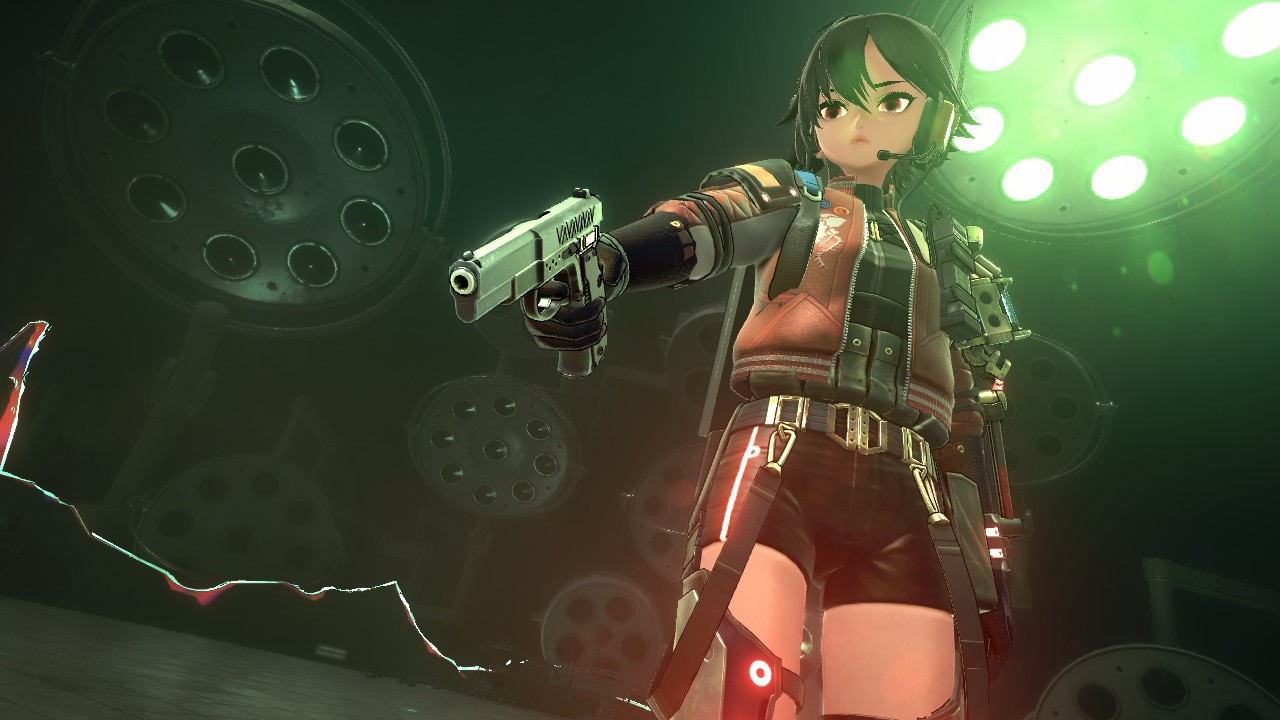
You play Riona Minazuki, a young woman whose search for Arisa Kato draws her into a dangerous world of supernatural anomalies.
What starts as a relatively simple investigation slowly turns into a journey through distorted places filled with hostile creatures, strange phenomena, and remnants of people affected by these events. Anomalith opens with a strong setting, especially if you're into horror games that make familiar places feel alien. But the game has some interesting ideas, and not all of them come together as smoothly as they should.
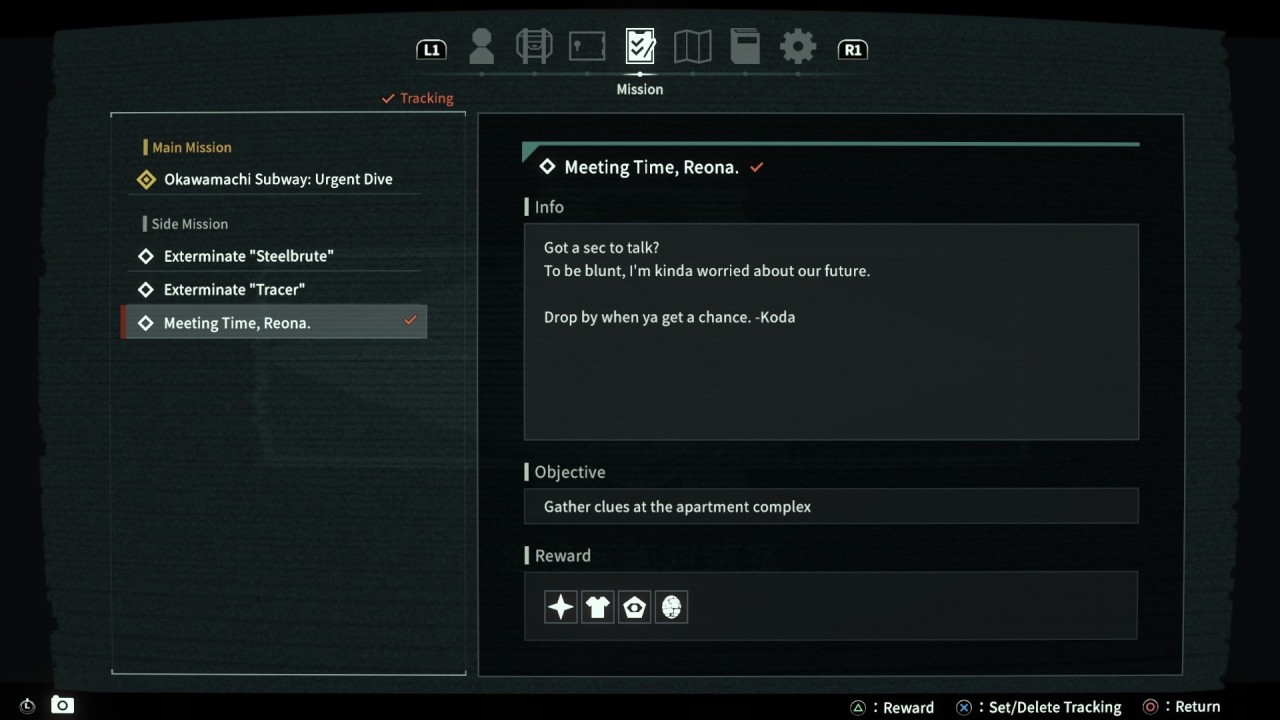
The story centers on Riona's quest to locate Arisa, and circumstances eventually lead her into the Anomaly Zone Countermeasures Office. This organization is responsible for the strange areas appearing across the country, sending personnel to investigate and retrieve valuable resources.
She joins these operations, but her personal motivations for entering the anomaly zones are also central to her journey. This sets you up for a journey through a series of increasingly strange environments, revealing more about the world and the people caught in these incidents.
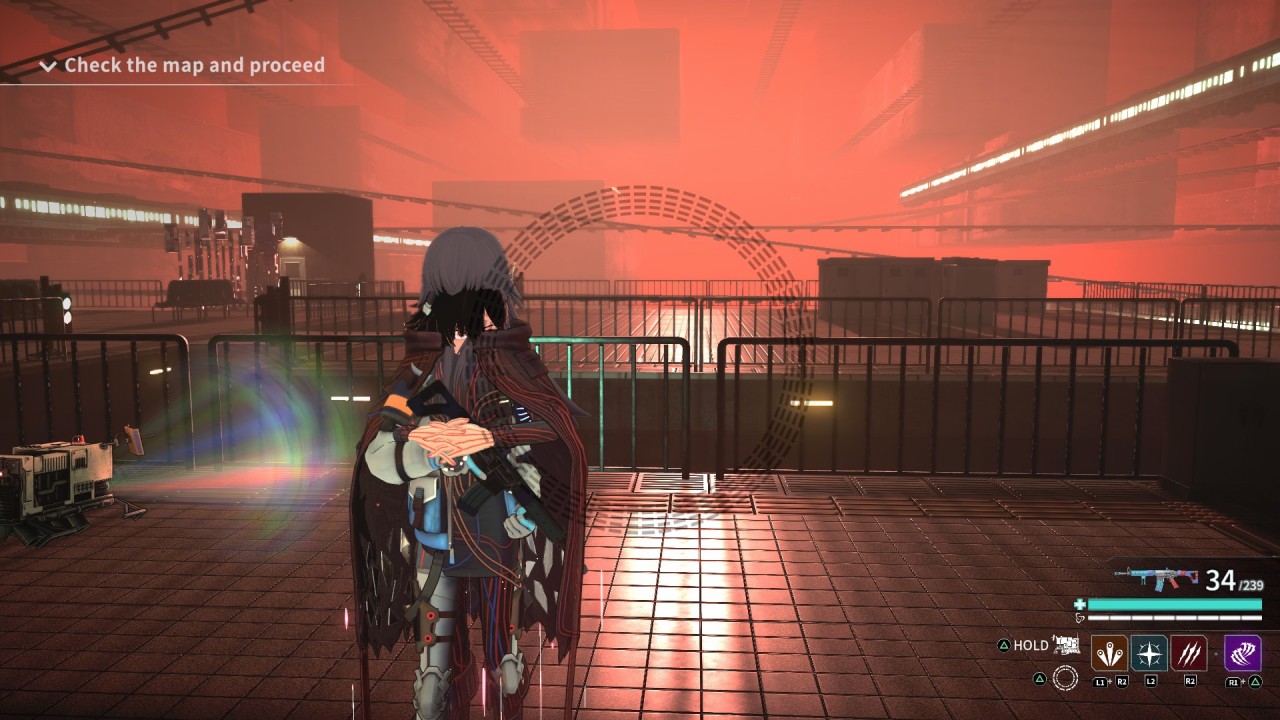
The game is set in a Japan that is reminiscent of the Showa period.
Anomalith doesn't rely on classic haunted houses or abandoned buildings; instead, it uses familiar places warped by supernatural forces. The design and ambiance of apartments, shopping malls, hospitals, and other everyday spaces become liminal spaces where something is amiss. You know the places you are exploring, but their changed look makes them difficult to trust. This contrast works well because part of the horror comes from seeing ordinary surroundings transformed into something dangerous.
The anomaly zones also raise disturbing questions about what happens to people exposed to these phenomena. A human being may mutate, lose their form, or become something far removed from who they were. The game doesn't need to explain every detail of these transformations right away, letting the environments and enemies do a lot of the heavy lifting in terms of horror. Some areas have a creepy vibe that makes exploring interesting, even when not much is going on around you.
Riona is a pretty decent protagonist. She isn't portrayed as an invulnerable action hero who simply moves from one fight to the next. Her own motivations and reactions give the story and her quest for Arisa a more grounded center, and a reason to keep moving through the dangerous areas.
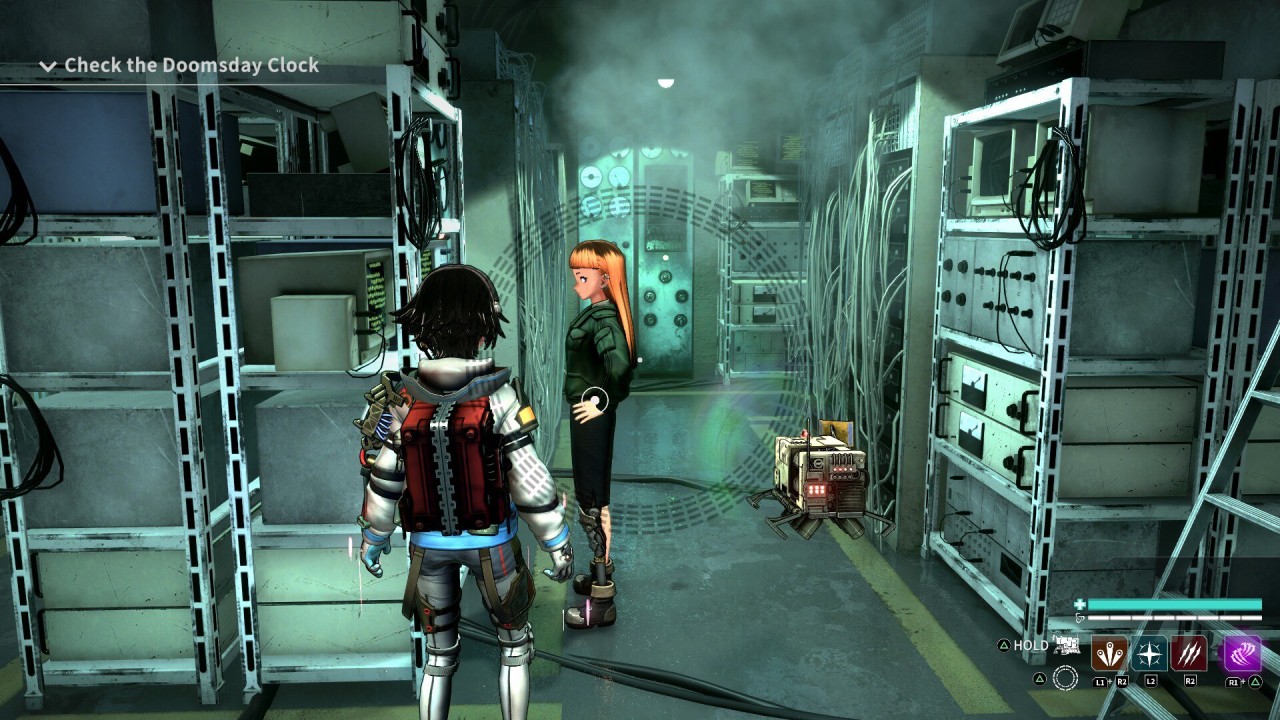
Supporting characters and conversations add more context to the organization and the world around her. The Japanese voice acting is one of the better parts of the presentation and helps the characters feel believable even when the writing doesn't give them enough room to develop.
That said, the narrative doesn't always use its premise well.
While the central mystery gives a reason to explore the anomaly zones, some developments feel predictable, and certain plot points aren't explained as clearly as they could be. Some resolutions are less convincing than they should be; at times, coincidences move the story along.
Flashbacks and character interactions give you more info, but they don't always lead smoothly into what's happening during gameplay. The result is an interesting, grounded story that sometimes fails to deliver a satisfying payoff.
The main story takes about 16 to 20 hours to finish, depending on how much you spend exploring. A more direct playthrough can be shorter, of course, if you skip all the side content and focus on the main objectives. Its length lets developers introduce a variety of locations, enemies, and gameplay systems, but it also means some ideas start to lose impact as the hours go by. The story still gives you a reason to keep going, but the pacing could be tighter.
Anomalith's gameplay is about entering anomaly zones, completing objectives, collecting resources, and finding a way to escape. This creates a loop that feels very much like an extraction shooter, though the game is designed as a single-player experience rather than a competitive multiplayer one.
Each expedition gives you a reason to explore the environment, gather useful materials, and manage your resources. You can't just make every location a shooting gallery; surviving the journey and getting back safely is as important as defeating the enemies in your path.
Exploration centers on moving through interconnected spaces and finding paths deeper into each anomaly zone.
You wander through apartments, malls, hospitals, and other distorted locations looking for supplies, useful objects, and materials for progression. Portals connect different areas, making the environments feel strangely continuous. You may know what kind of place you are exploring, but the way these spaces connect and change makes them harder to navigate than a normal environment.
It's worth checking every nook and cranny because resources matter when you're trying to stay prepared. You gather materials to upgrade and improve them. Further discoveries give you more information about the anomaly zones. That gives you an excuse to deviate from your goal and explore rooms you might otherwise skip over. However, exploration can get repetitive if you keep returning to similar locations or spending a lot of time searching for specific resources.
The game also has a research system that broadens your knowledge of the world. Reports and other documents provide background information on the anomalies, their effects, and the creatures living in these areas. If you enjoy reading up on environmental lore, there's a lot more to discover, with more than 200 research reports available. This is similar to how games like Control build their fictional worlds through documents and reports.
You don't get told everything in dialogue; you get to piece things together as you explore.
You can really see Anomalith's different influences in the combat. The game blends third-person shooting with survival-horror mechanics. You have to think about ammo, positioning, and your resources before you engage in a fight.
Approaching every encounter carelessly can make enemies dangerous, so it's often better to create distance, aim properly, and avoid wasting supplies. The shooting feels responsive enough to keep encounters fun, and managing your resources gives combat a purpose beyond simply clearing rooms.
You can choose from 28 guns, with more than 70 attachments to customize your weapons. This lets you tinker with different setups or focus on a specific weapon, giving you flexibility in how you tackle encounters. You can improve your gear with attachments and prepare for the threats waiting for you inside the anomaly zones. The system, however, doesn't always clearly tell you what's compatible or what equipment is involved.
Finding an attachment is useful, but figuring out where it goes and how it affects your setup can be more complicated than it needs to be.
Riona can use melee attacks and special abilities tied to the game's anomalization system, along with firearms. These abilities consume MP, so you have to decide if the cost is worth it. They offer a different way to handle enemies.
They help keep combat from being just about shooting. There are 12 abilities to unlock and experiment with, so you can build a skill set that matches your preferred style. The system adds variety to encounters, but it doesn't completely change the basic combat rhythm.
Melee attacks and parries also give you options when enemies get too close.
You can react to specific attacks and set yourself up to counter-attack, rather than using a firearm in every situation. These mechanics make combat more involved, especially when dealing with multiple threats or trying to save ammo. But the overall combat system still relies heavily on managing your position and resources. You have to know when to attack, when to use an ability, and when to retreat instead of risking unnecessary damage.
The enemy designs match the game's horror setting, with creatures that embody the disturbing effects of the anomaly zones. Some encounters are more dangerous than others, and the different enemy types give you reasons to change your approach. Some fights also carry an uncomfortable element: these creatures were once human beings.
That said, combat can get a bit repetitive over long stretches, especially when the game throws you back through familiar areas and asks you to deal with similar threats all over again. The variety of weapons and abilities helps, but it doesn't stop the encounters from becoming predictable.
Another big part of the experience is inventory management. Anomalith has a suitcase-style inventory system that should remind you of Resident Evil 4. You will need to consider the space your equipment takes up and plan your available items carefully. This makes resource gathering more complex as you cannot simply pick up everything without thinking about what you are carrying. It also forces you to decide which supplies are worth bringing on an expedition.
The system suits the game's survival-horror elements well, but its implementation can be frustrating.
The menus and item descriptions aren't always clear, but packing your gear should be a crucial part of expedition preparation. Some equipment and artifacts are not handled as well as they could be, and figuring out what attaches to what can break the flow. The backpack can also be limiting when you're trying to haul useful supplies, weapons, and other gear.
More than 300 options for armor and clothing. More than 50 artifacts to find. These give you more options to customize your character and gear, and artifacts can boost your overall build. With so many items, there's plenty of experimentation to do, especially if you like to tinker with your build before jumping into another zone. But the sheer number doesn't automatically make the system easier to use.
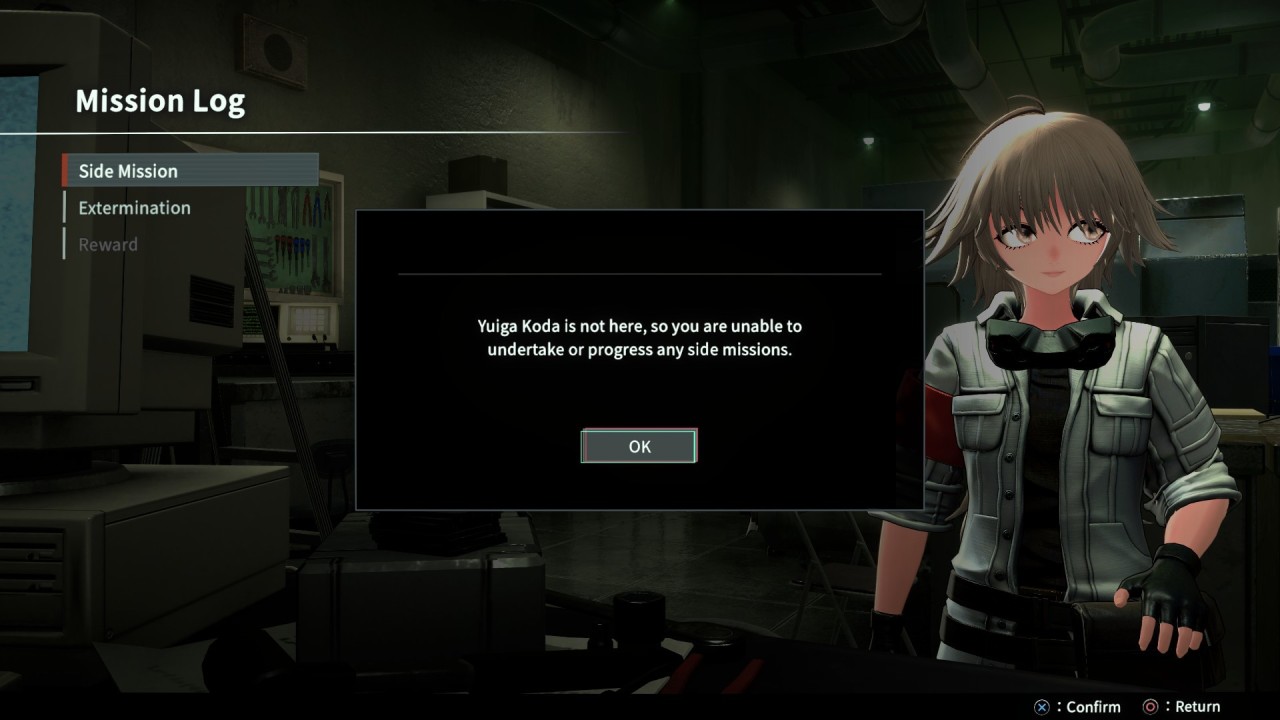
A couple of the menus could be better organized, and the game doesn't always do a good job of explaining what an item does or how it fits into your current equipment. Progression is tied to the resources and materials you gather while exploring. Most of your growth comes from finding items, unlocking abilities, upgrading weapons, and crafting better equipment, rather than good ol' fashioned experience-point grinding.
This means exploration directly affects the challenges you face later. Looking around environments and collecting materials improves your chances of surviving tougher expeditions. It also gives you a reason to return to areas and explore places you may have passed over on your first visit.
The downside is that this progression loop can make some sections feel longer than they need to be.
The difference between meaningful exploration and just collecting resources begins to blur as you hunt for materials or revisit similar environments to improve your gear. The game offers many systems to pursue, but not all feel equally rewarding. Upgrades and inventory management could've been better streamlined to make the progression feel more satisfying.
Anomalith's graphics are a mixed part of the experience. The game's visual direction does a decent job of establishing its take on Showa-era Japan, and the twisted environments help create the unsettled atmosphere the story relies on. Some of the more memorable parts of the presentation are the liminal spaces, which make familiar places feel isolated and uncomfortable. The creature designs also enhance the horror, especially when they appear through anomaly-driven transformations.
Overall, though, the presentation can feel more like an early-generation PlayStation game than something modern.
The visual fidelity isn't always there, and some environments and character models are lacking the detail you might expect. It can still impress with its locations and lighting and create a strong atmosphere, but it doesn't rely on technical visual fidelity. Its best moments are not from particularly impressive graphics, but from the design of the spaces themselves.
The sound design follows a similar trend of pros and cons. The Japanese voice acting is a clear highlight, giving the characters more personality and helping the narrative stay interesting when the writing goes off the rails. Sound effects add to the atmosphere, though some are noticeably exaggerated. Footsteps can be very loud, and reloads can sometimes receive more attention than they should. None of these are deal breakers, but they can make the audio feel less natural in the quietest moments.
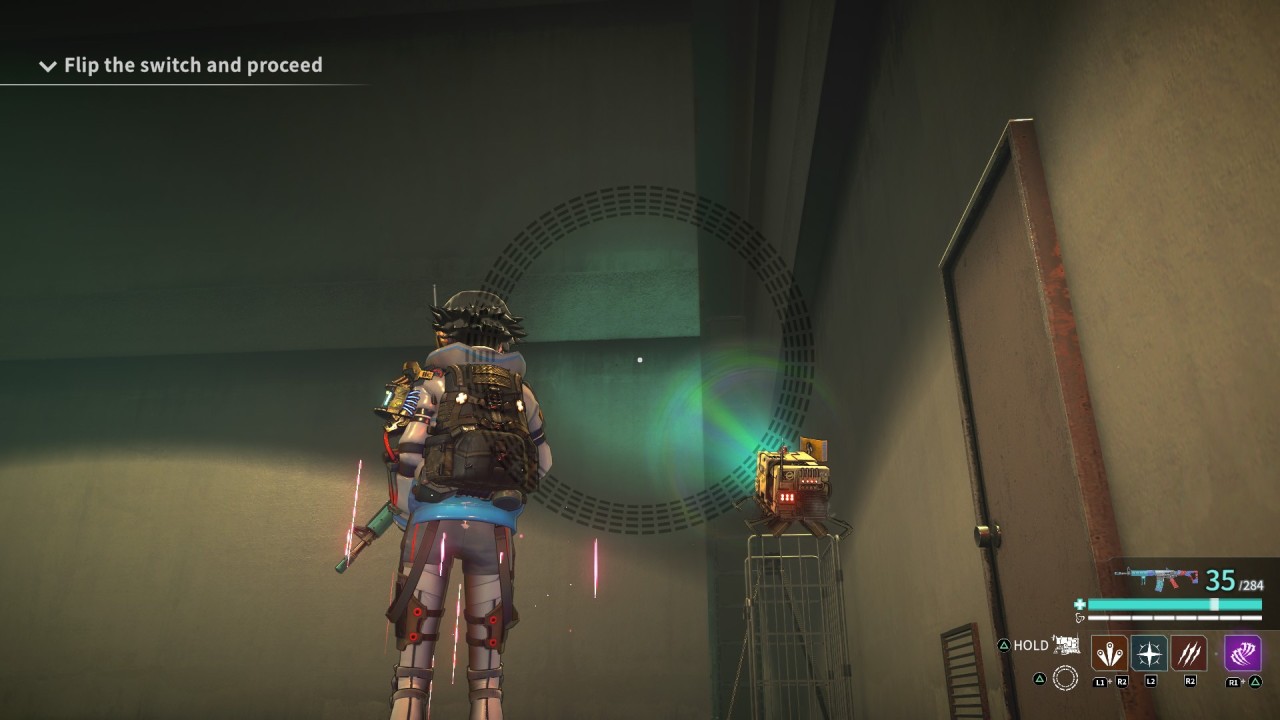
The atmosphere is at its best when the game allows its environments to do the talking. You can create tension walking through an empty apartment or a warped public space without a constant stream of enemies or loud audio cues. Much of the appeal of exploration comes from the contrast between familiar surroundings and supernatural changes. The voice acting adds a human element that balances the strange things happening to Riona.
Unfortunately, technical problems can spoil the experience.
Bugs, freezes, and odd menu behavior make parts of the game more frustrating than they should be. Players have reported equipment acting strangely, including a shrinking backpack and a vanishing drone. Even something as simple as the return option can be problematic if the interface doesn't make the consequences clear. These issues are particularly problematic in a game where your gear and the supplies you carry are directly tied to making it through each mission.
The pacing also becomes inconsistent as you go. The opening hours set up the environment and mechanics in a way that makes you want to keep exploring, but the repetitive structure can get tiresome later on. You enter an anomaly zone, hunt for resources, fight enemies, complete objectives, and prepare for the next trip.
You can't avoid repetition completely; this loop is the game's backbone. Still, a little more variety in encounters and exploration goals would have helped maintain momentum. The game offers plenty of content for players who want to spend time outside the main story. Other goals include gathering research reports, locating equipment, experimenting with weapon attachments, and unlocking abilities.
Finishing the game with 100% completion can take significantly longer than simply beating the story, potentially taking around twice as long as a speedrun. But those extra hours aren't always equally rewarding, especially when you are doing familiar things over and over instead of discovering something new.
Ultimately, Anomalith knows what it wants to be, even if its various systems don't always mesh.
The combination of psychological horror, third-person shooting, extraction-style expeditions, and survival mechanics gives it an identity worth exploring. The Showa-era setting and liminal environments create a strong atmosphere, and Riona's search for Arisa gives the story personal motivation to progress. The environment descriptions and research reports also help to create a world that feels bigger than the immediate objectives.
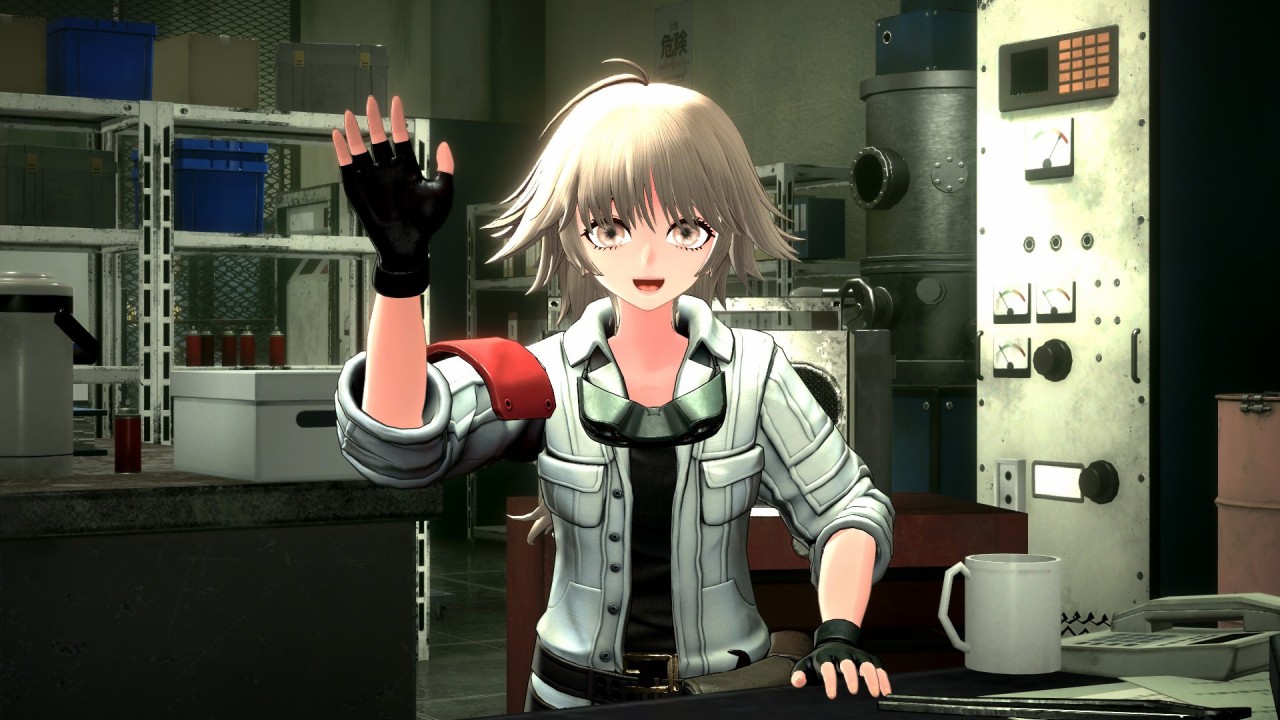
The fun comes from juggling ammo, your abilities, and the threats around you. There's a lot to mess around with: different guns, attachments, armor, and artifacts. The suitcase inventory also adds a touch of familiar survival horror. But the menus, equipment systems, and technical issues often get in the way.
The story has moments, but predictable developments and plot holes keep it from matching its setting. Repetitive exploration and a patchy presentation also limit what could have been a fuller experience. If you're a fan of games like Control and Resident Evil 4, you might recognize some of the ideas that Anomalith is playing with. It lacks the same polish and consistency, but it has enough to make its strange blend of genres intriguing.
FuRyu has created a world worth exploring, and the game shines when it allows you to soak up the creepy atmosphere of its anomaly zones. However, its weaker systems and technical issues make it hard to recommend without some caveats.
Staff Writer, NoobFeed
Verdict
Anomalith offers a compelling setting and fun combat, but repetitive exploration, uneven storytelling, clumsy menus, and technical issues hamper it. Not essential, but a worthwhile horror experience.
67
Related News
No Data.