
Ayasa: Shadows of Silence Review
PlayStation 5
A wordless dark fantasy puzzle-platformer built around surreal visuals, silent storytelling and six symbolic realms.
Reviewed by Adeela Tas on Oct 31, 2026
Aya Games developed and published this indie game. Ayasa: Shadows of Silence became available for PC via Steam on November 30, 2025. The PlayStation 5 and XBOX Series X|S versions became available on October 26, 2026. By the time the game reached consoles, it had undergone a string of updates, including adjustments to jump momentum and edge grabbing based on PC player feedback.
As for the game's genre, it's easy to pin down. Ayasa: Shadows of Silence is a surreal, dark puzzle-platformer with horror elements, featuring exploration, environmental puzzles, stealth mechanics, and a couple of supernatural powers. The first minute shows what it's about.
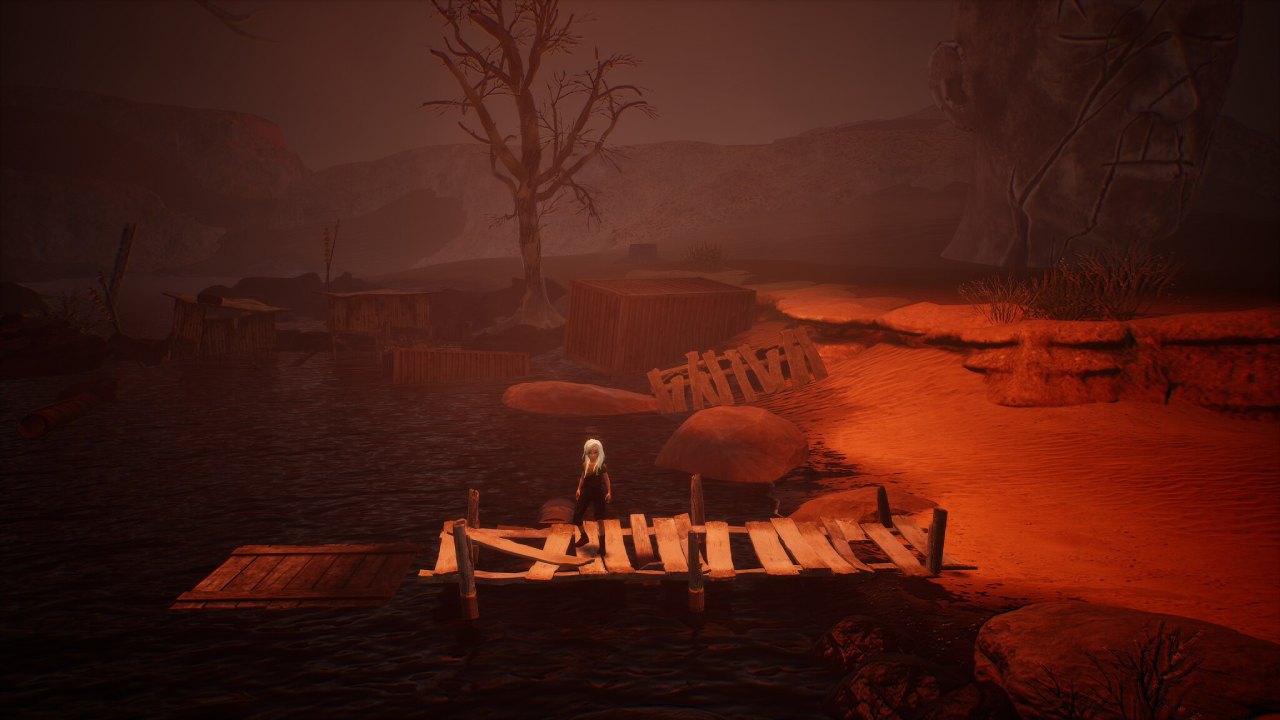
A city is being bombed, an elephant lies among the dead, and a crowd of naked, eyeless humanoid figures marches blindly toward the explosions.
It's loud, grim, and a little baffling, and it raises plenty of questions about how a small, fragile girl fits into it all. Looking back after playing, that opening is easily the tightest stretch of the whole game. The story in Ayasa: Shadows of Silence is told almost entirely without words.
Ayasa never speaks, and written text appears only in small bits, usually to introduce a chapter and point toward its theme. The world was once balanced, with light and shadow living side by side under a figure called Tas the Absolute.
A war shattered that peace, and your job is to gather Tas's light as you move through places tied to the conflict, such as a village under attack, a set of ruins, and a hidden testing lab. Many of the inhabitants mutated and turned violent because of the war, and Ayasa has to cross a world full of them.
The journey is split into six chapters, each named after a human virtue or vice: Faith, Hope, Love, Greed, Indifference, and Betrayal.
Each one lays out how its virtue or vice connects to the war, and the whole thing reads like a fairly clear anti-war story. It isn't completely blunt, though. You get room to think about what certain images mean, and some religious undertones run underneath.
You walk past a group of crucified women, for example, and later take part in a ritual by hooded figures that rewards you with invisibility. It's remarkable how much body language says in this story. Ayasa's flinching from massive forms, or her reaching out to hurt animals, gives more insight into her than any caption.
At first, you may be unsure who everybody is and why everything matters, and it will take time for the story's nuances to gain emotional weight. Later, you will analyze body language to understand what this game wants to tell you, rather than waiting for its explanation.

You can also take subtle actions, such as releasing the spirit from its golden confinement or ignoring it and moving forward. The screen will show nothing but the environment, and the mysterious figures later in the chapter will change accordingly.
The basic controls in Ayasa: Shadows of Silence are easy to learn.
On PlayStation, L1 interacts, R1 runs, and Square crouches, and the movement is simple enough that you can focus on looking around instead of memorizing combinations. Beyond walking, jumping, and climbing, much of your time goes to pushing crates, turning valves, stepping on buttons, and poking at objects to find a way into the next area without becoming something's dinner.
The levels have depth, so that you can examine the background and the foreground as well as the usual path forward. If you are familiar with games like Limbo, Inside, or Little Nightmares, you'll quickly grasp the concept: A small character, a dangerous environment, and almost no explanation.
Those abilities arrive gradually. One of the first lets you roll back time on broken objects, which briefly puts a bridge or doorway back together, and R2 triggers it. Circle makes Ayasa invisible, and Triangle brings out a torch. A few more powers show up later, and you'll discover them on your own.
One handy touch is that Ayasa's hair turns white whenever an ability is ready, so you can tell at a glance when you can use it without cluttering the screen. The trouble is how Ayasa: Shadows of Silence introduces these powers. The first one you find is named, but nothing tells you what it does, how long it lasts, or what its limits are.
You work most of it out by trial and error, and a short explanation wouldn't have ruined any mystery.
Some of the later abilities are underwhelming anyway. The torch lights up areas that were already fairly visible, and the time rollback tends to appear where the timing gets very demanding. Bridges can be spaced so far apart that even a sprint and a last-second jump won't get you across before the structure crumbles again.
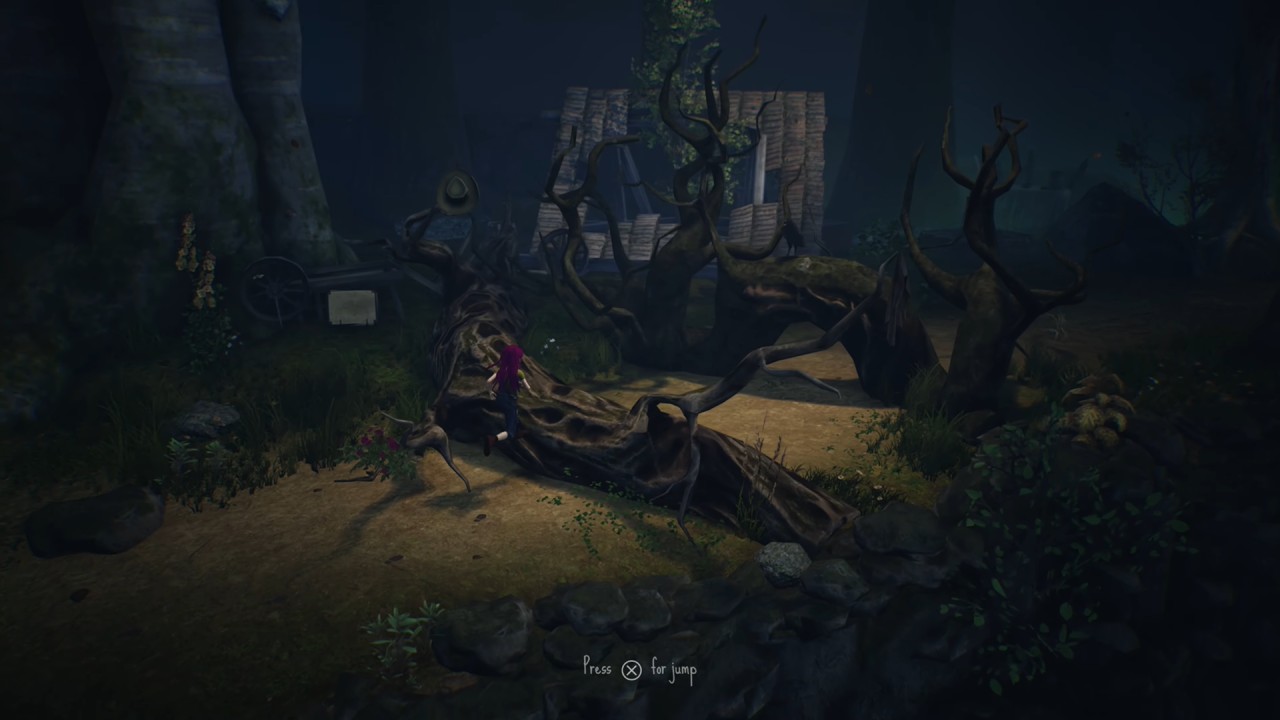
Invisibility helps you slip past the eyeless humans and plenty of other enemies, though bigger monsters aren't fooled. There is no combat in the usual sense. Ayasa can't fight back, so every threat is something to avoid, sneak past, or outrun. Most monsters kill you in a single hit, and some move faster than you do.
Escaping isn't about holding a direction, because you need to read the surroundings, spot an opening, and sometimes act at exactly the right moment. A boar-like creature kills you several times in a row while you try to work out the escape. Early on, some carnivorous plants make the first challenges feel unfair, since you don't yet have the tools or the feel for the controls.
There's a real difference between dying because you made a mistake and dying because the game hasn't told you what it wants, and this one blurs that line more than once. After a handful of attempts, you don't feel skilled or proud, only annoyed, because the rules of the encounter still aren't clear.
The one-hit deaths make it worse, and you end up memorizing a sequence of actions through repetition instead of reacting on instinct.
A few moments are plainly misleading, like a giant who blows a green vortex of wind to block your path. He pauses now and then, and it looks like you could run through those breaks, but you'll die anyway, since the wind's timing isn't the part of the puzzle that matters.
A swarm of black hands in the sand can also be unpredictable, because it sometimes surfaces under you even when you follow the rule not to disturb it. These other hunts lack real peril. Normal enemies need to stop to deal damage, and you are generally faster than many of them, letting you sprint away unless something is waiting ahead or the area slows you down.
You rarely feel like you are barely getting away, and you can read the monsters' movements at just the right pace to stay elusive. The lone boss battle can be broken too, as getting too close lets the boss leave the arena and makes the battle impossible to win until you reset.
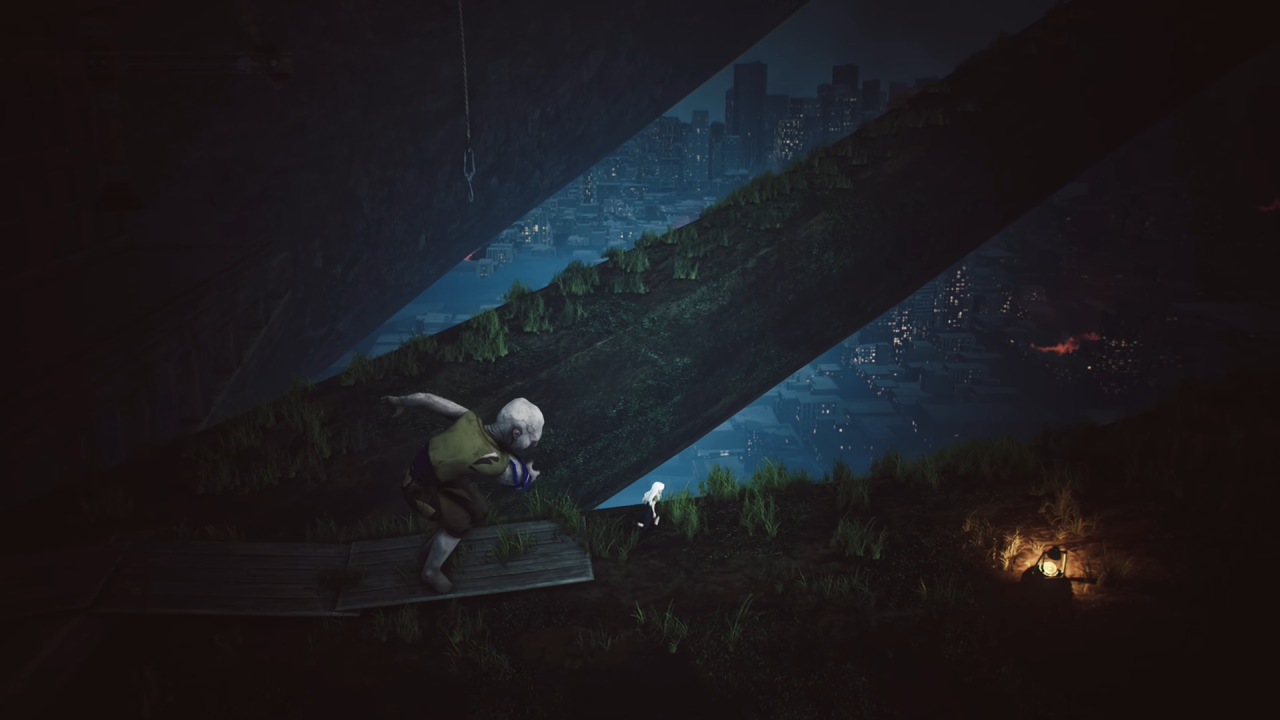
At times, these controls don't cooperate, and Ayasa: Shadows of Silence suffers greatly as a result. The jumping action temporarily doesn't work for reasons we don't know. Sometimes, jumps from a slope may be delayed and fail, while certain gaps require absolute precision; if you miss, you may die.
Ayasa often gets stuck on surrounding obstacles, which is a critical flaw when you are trying to catch your prey.
Once, you get stuck on an insignificant rock that proved crucial, and it's hard to tell whether it was intentional or just an obstacle-detection flaw. There is also some minor input lag at critical times. Dying is way more important than it needs to be because the checkpoints are not evenly spaced out.
Automatic saves occur, and a small icon in the lower-right corner tells you when one happens, but it's easy to miss when you're focused on surviving. Some sections have such long intervals between checkpoints that a mistake results in a lengthy repeat.
The puzzles are the strongest part of Ayasa: Shadows of Silence, though how much you enjoy them depends on what you expect. They rarely get complicated. Most follow one pattern: look around, find clues, and apply them. In one, you arrange square floor tiles with patterns across a platform, using hints found in other rooms.
In another, you arrange letter blocks after finding fractions of the answer painted on nearby walls, which turned out to be some of the best puzzle work here. Others are far simpler, like a maze where you walk to each visible switch, or a setup with valves and pipes where you backtrack to clear streams of poisonous gas and nothing more.
A labyrinth hides a key at the end, and afterward you have to walk all the way back to open a gate you had missed, with nothing linking the key to that earlier obstacle. These puzzles work because they train you to look around. The game doesn't indicate anything interactive, and what you need is usually located somewhere in the world.
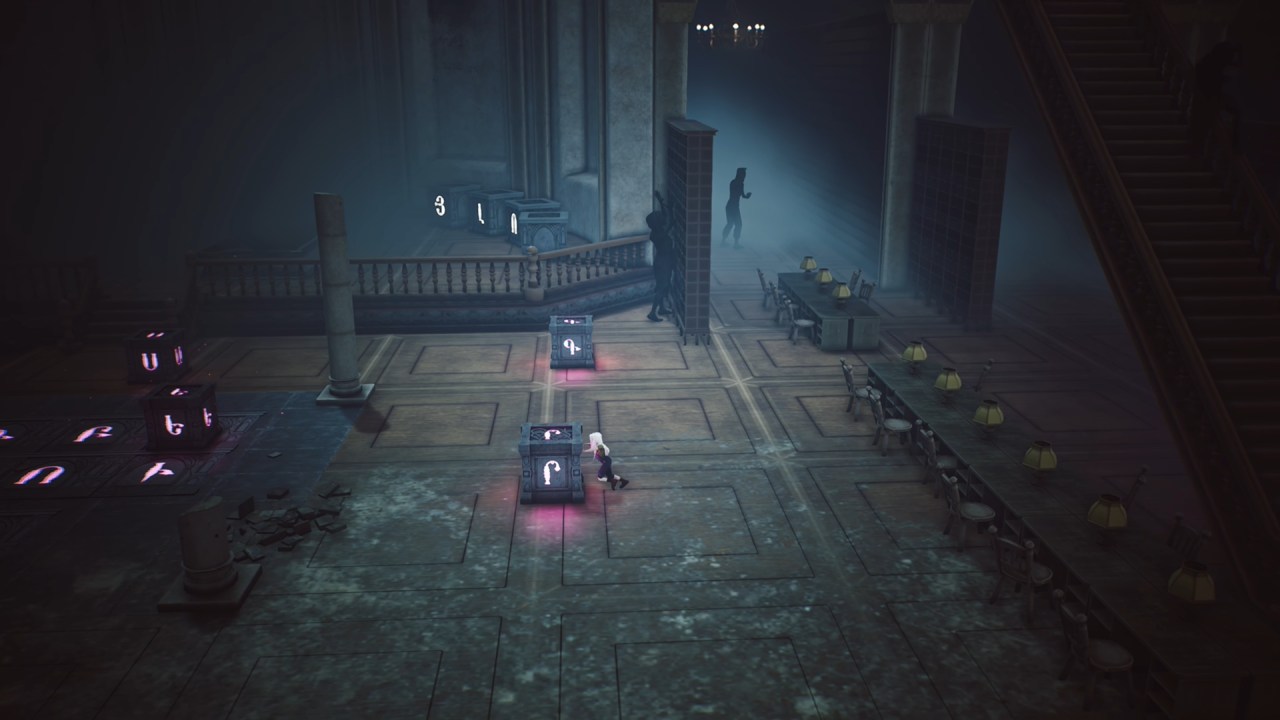
Some locations have enough space to make you confused about where your tool is, which makes figuring everything out even more enjoyable.
This ambiguity can be irritating in monster fights, because every mistake results in immediate death. Not every puzzle wants an explanation, but some aspects of the game certainly do. Each chapter also has optional moments tied to its theme. A purple lantern usually marks where one is, and most only ask you to walk up to the right object.
They add a short passage of text that drives home the chapter's message. One scene features a giant pig businessman eating gold while smaller pigs eat slop, which is one of the most memorable images in Ayasa: Shadows of Silence, even if the pigs feel like an odd jump from the rest of the visual style.
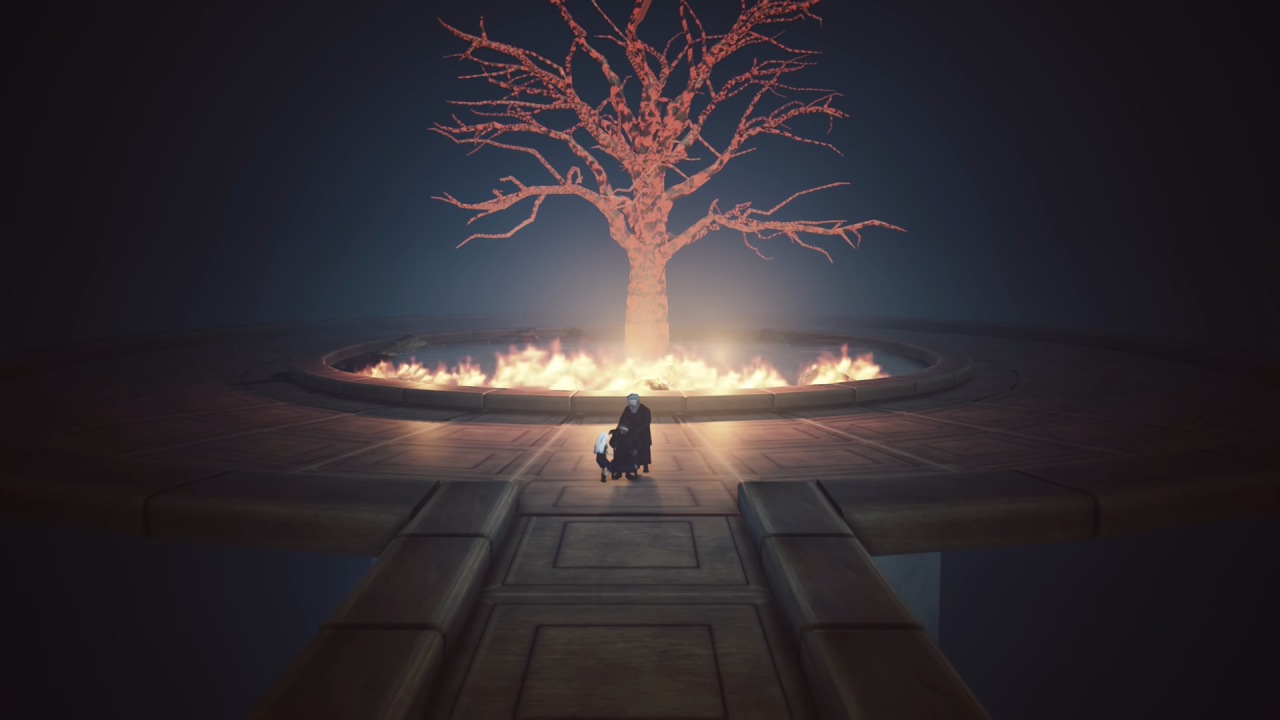
Strangely, if you die nearby or wander too far, the action you took resets, like the elderly couple by a burning tree who go back to how they were. The task still counts toward unlocking the better ending, but the reset feels awkward.
Visually, Ayasa: Shadows of Silence earns most of its praise. The art has a dreamlike look, with enormous statues, odd structures, and wide areas full of mist. The muted palette gives places a haunting quality and lets the large architecture stand out.
Visuals are the game's biggest strength, with dreamlike art and an enormous sense of scale.
The scale is the most interesting part because Ayasa looks small next to giant buildings or above vast stretches of water, and you will find yourself pausing to watch. The creature design adds to the creepiness factor, from bloated goblin men to red giants and blind masses of people.
The cutscenes are well made too, and they get important moments across without a spoken word. On PlayStation 5, the game runs in 4K at 60 frames per second with strong HDR contrast, and the DualSense vibration adds warmth for crystal light and a feel of wind in open spaces.
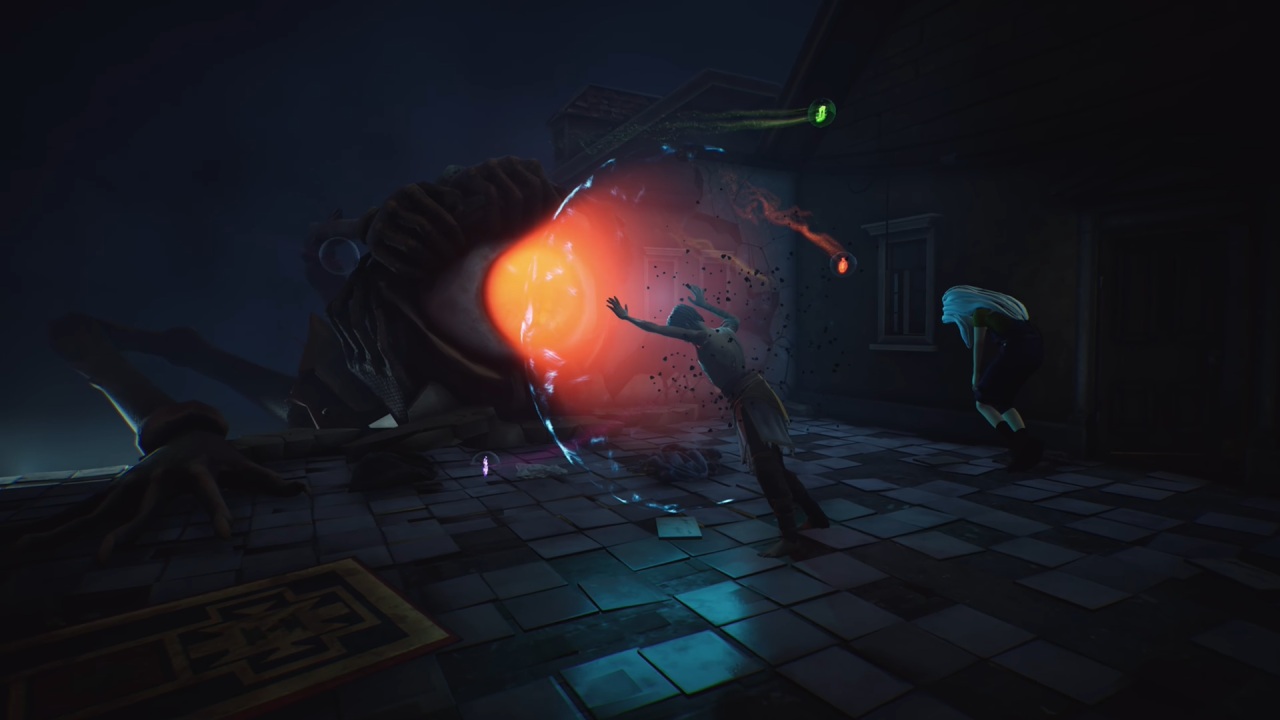
The visuals in Ayasa: Shadows of Silence aren't flawless, and the technical side varies by platform. Lighting struggles at times, adding an ugly fog to some scenes. Some scenes fail to load properly, like red giants stomping on a crowd that willingly marches to be crushed, except the crowd is missing and the animation makes no sense.
A pool of water can show up green, and a tall monster sometimes fails to fall through a bridge and chase you later, which leaves him missing for half his section. A notice at launch asks players to report glitches to the developers on platforms like Discord, and some problems seem to date back to the original PC release.
The sound in Ayasa: Shadows of Silence is a high point.
With no dialogue, the audio does much of the work, and the soundtrack draws on Armenian composer Komitas Vardapet. It moves between gentle, soothing pieces and darker, more threatening music depending on what's happening.
Woodwinds, strings, and a lone piano keep the quiet parts calm and thoughtful, then the music turns sharp when a monster is near, so you can tell you're being hunted. Footsteps, background noise, and creature sounds make the place feel real and keep you on edge when things get dangerous.
The main complaint is the menu music, which gets repetitive after a few listens. Ayasa: Shadows of Silence is a compact adventure, and it's on the short side, ending in a handful of hours depending on how often the chases kill you.
The horror in Ayasa: Shadows of Silence doesn't quite land either. The setting is dark, and the enemies can kill you, but the movement problems make chases more irritating than scary, so you never feel that constant dread of walking into an unknown corridor.
In summary, Ayasa: Shadows of Silence is an intriguing yet disappointing experience because so many elements feel so accurate.
The art style, cutscenes, and sound design create an environment you want to figure out. Telling the story without words may take some getting used to, but after a while you'll find yourself pulled in. The puzzles work well when they let you observe and figure things out.
At the same time, one-hit deaths, clumsy mechanics, frustrating controls, too few checkpoints, and rough-looking graphics can turn what should be an enjoyable scene into an endurance test. Fixing those problems doesn't have to mean making the game easier. Players need a clearer sense of what went wrong. If you enjoy atmospheric puzzle games with an open-ended story, there's plenty to like. If not, be ready for a rough ride.
Editor, NoobFeed
Verdict
Ayasa: Shadows of Silence offers gorgeous scenery, strong sound, and a haunting wordless story, but sticky controls, unclear rules, and harsh chases hold it back. It's decent, with clear rough spots.
64
Related News
No Data.